Blog
2018 · 1 min read
Skin resurfacing
Skin resurfacing is a specific type of skin rejuvenation that involves removing layers of built up skin cells, accelerating you skin s natural process of desquamation. For example, a chemical peel causes this outer layer of skin to peel away, revealing the fresher and smoother layer underneath. Microdermabrasion uses tiny abrasive crystals to exfoliate dead skin cells for a brighter, smoother complexion. The depth of resurfacing determines the results, risks and downtime. Resurfacing that only removes epidermal cells such as a superficial chemical peel or microdermabrasion has minimal downtime and risk. These will make the skin appear smoother and more radiant
It is a session of 45 to 60 min for the whole face and ideal for the majority of skin types. Men and Women in their 18 s to 50 s who are seeing fine lines and wrinkles and want to take preventative steps are great candidates. The benefits include:
- Lessens fine lines and wrinkles.
- Reduces the overproduction of oil to make skin less greasy.
- Decrease the appearance of enlarged pores.
- Strengthens the skin s protective barrier to help with sensitive skin issues like rosacea and rosy cheeks.
- Stimulates collagen regrowth to lessen the appearance of scars from surgery and trauma.
- Improves skin texture for people with dry and flaky skin.
- Clears away toxins in acneic skin to stop recurring breakouts.
Results vary from person to person and are not guaranteed. Nothing here is medical advice — book a consultation and we will look at your case.
Keep reading
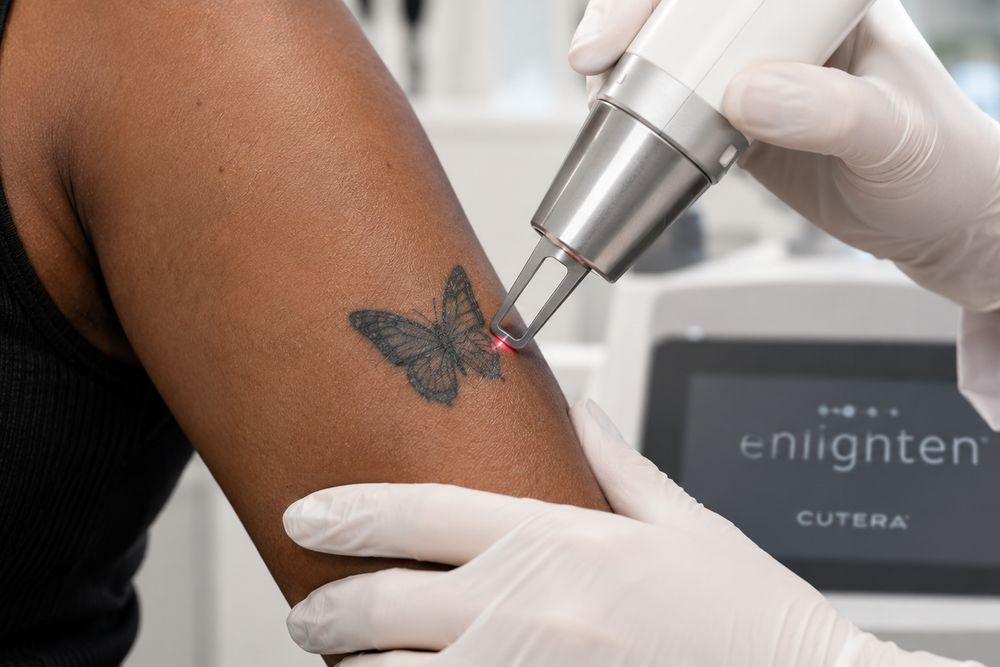
Is Laser Tattoo Removal Safe for Darker Skin?
Laser tattoo removal can be performed on darker skin when the wavelength and settings are chosen carefully. Here is what to know about safety, pigment changes, sessions, and aftercare.
Read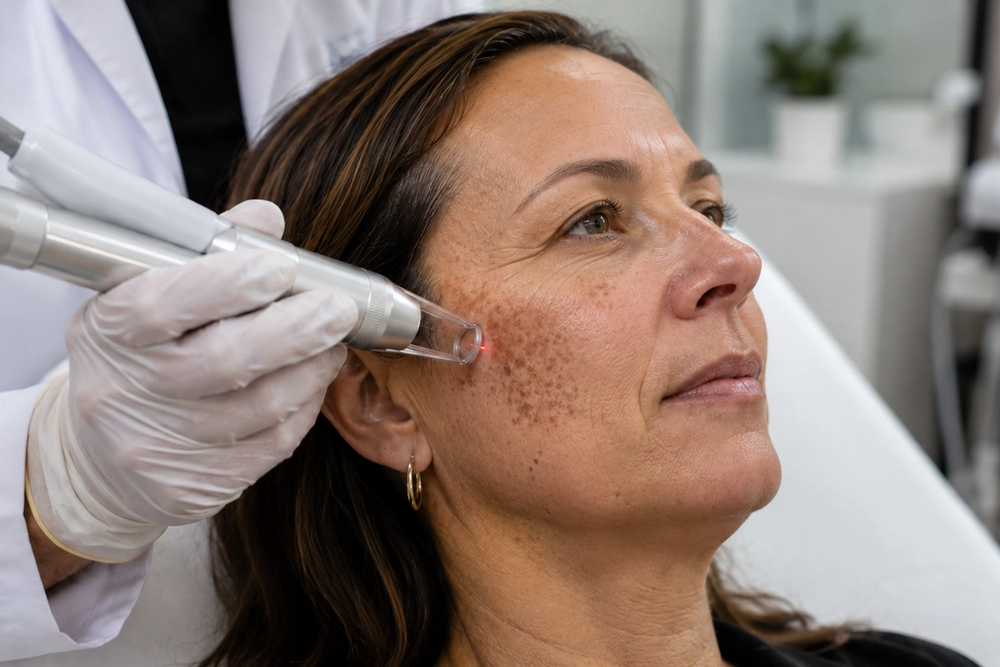
PICO GENESIS for sun spots and age spots
PICO Genesis with Cutera Enlighten can improve sun spots and age spots. This guide explains how it works, how many sessions to expect, when to start, and what can be combined with it.
Read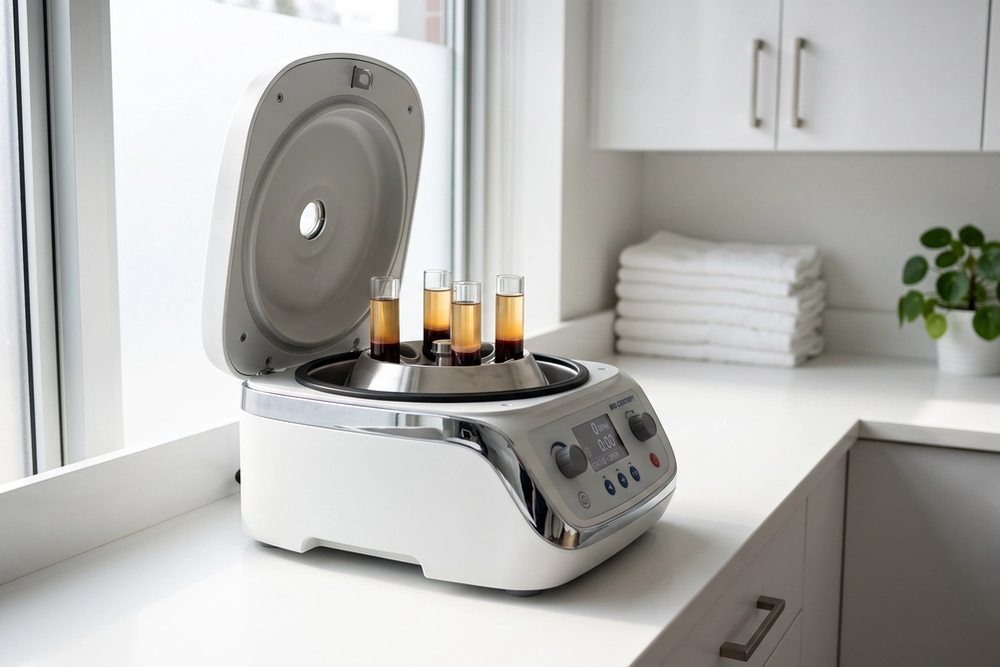
PRP for Skin: What Does a Full Course Look Like?
A PRP course is usually 3 sessions a month apart, judged at 3 months. Here is the month-by-month timeline, and an honest look at what blinded trials actually found.
Read