 Skin quality & regenerative
Platelet-rich plasma (PRP) treatments in Montreal
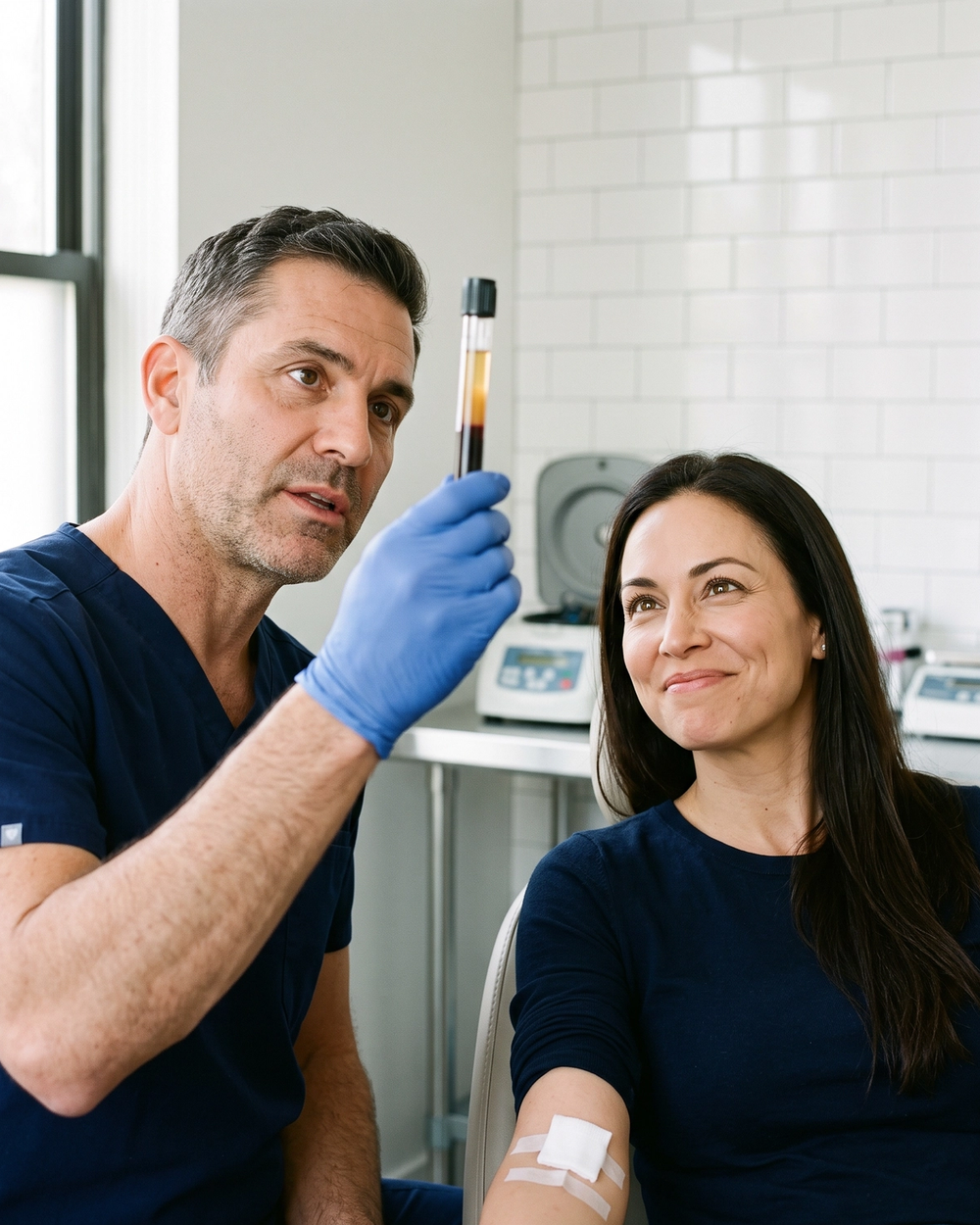
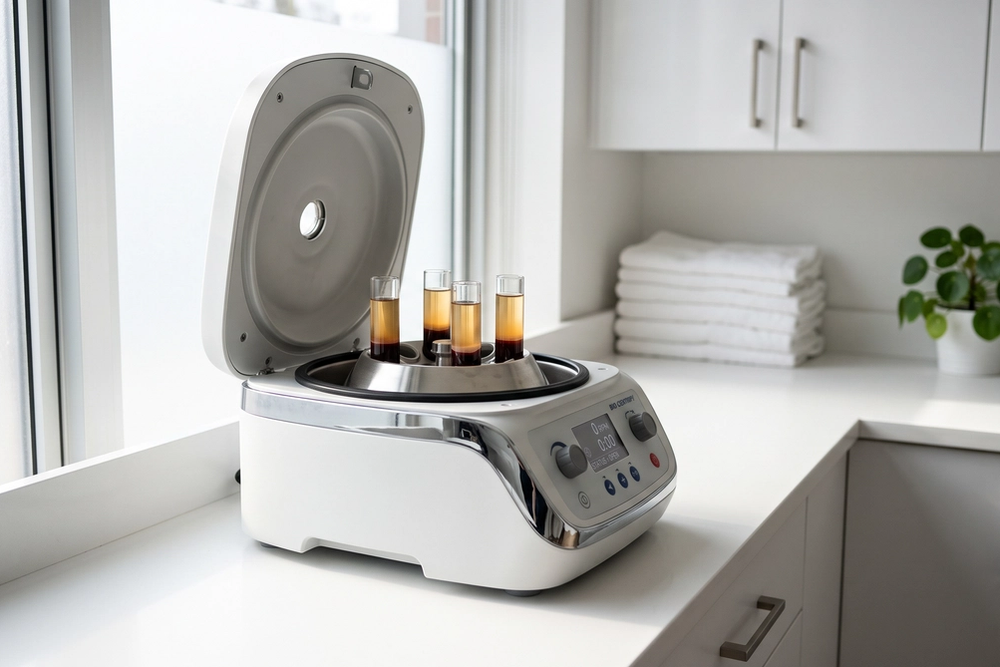
Platelet-rich plasma is made from a small sample of your own blood. It is spun in a centrifuge to concentrate the platelets that carry your growth factors, and that concentrate is injected back into the skin to put it into a repair state. It improves texture, tone and fine lines, and it is given as a course of three to six sessions.
- Monkland · Sherbrooke · Châteauguay
- Consultations in French and English
- Treatment time
- 30 to 60min
- Downtime
- Minimal
- Results appear
- A few weeks
- Results last
- 6 to 12months
- Price
- $550per session
Platelet-rich plasma (PRP)
 How it works
What does PRP (platelet-rich plasma) do?
It uses your own blood to help your skin repair.
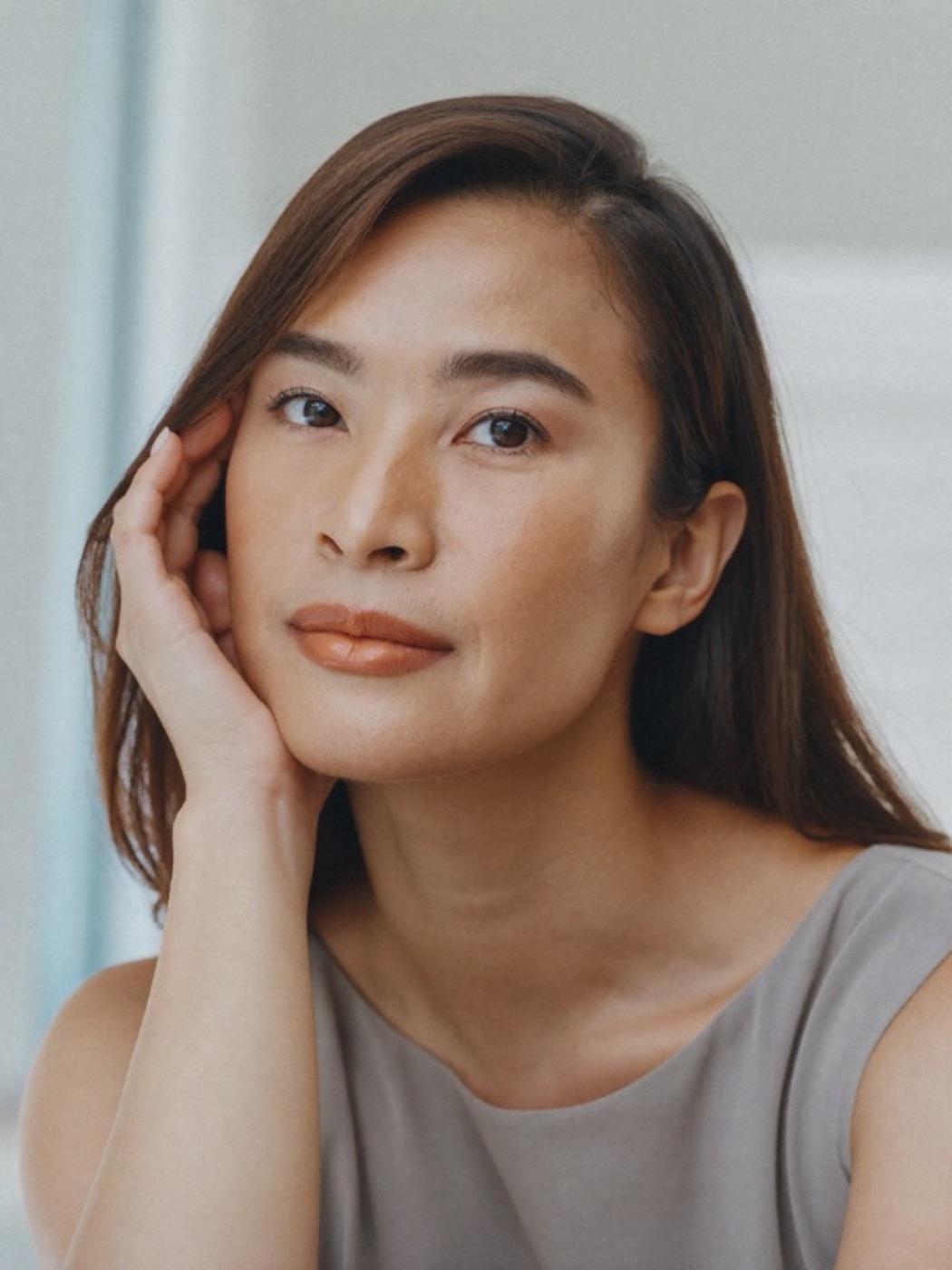
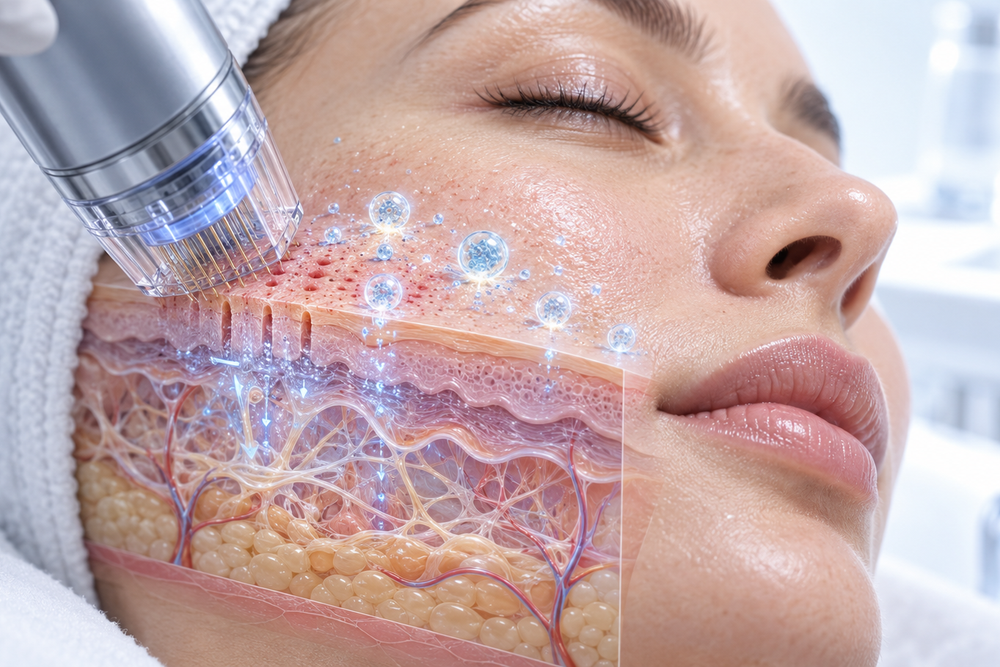
With time, your skin makes less of its own repair signal, so it looks dull and crepey. The practitioner takes a small blood sample, spins it to concentrate your platelets, and injects them back into your skin. Your skin answers with new collagen, so texture, tone and fine lines change. The first change shows in a few weeks.
- 01
Your skin’s repair slows down with age
- 02
The practitioner injects your own concentrated platelets
- 03
Your skin firms over 3 to 6 months
Your results, step by step
3 to 6 visits, 4 to 6 weeks apart. Full results in 3 to 6 months.
Your visit · 30 to 60 min
A blood draw, a spin, the injections
A small blood sample is taken from your arm and spun while you wait. A numbing cream goes on during the spin. Then the practitioner injects the concentrate in small, shallow points.
Same day
Small marks that fade fast
You see redness and tiny raised points where the needle went in. They settle within hours. Keep your skin bare for the rest of the day.
The first week
Repair starts under the skin
The work happens out of sight. Your skin cells answer the signal and start building collagen.
Weeks 3 to 6
The first change you can see
Around your second visit, skin looks brighter and feels firmer. This is a good time for a first photo.
3 to 6 months
Your full result, then upkeep
Collagen keeps building after your last visit. One upkeep visit every 6 to 12 months keeps your result.
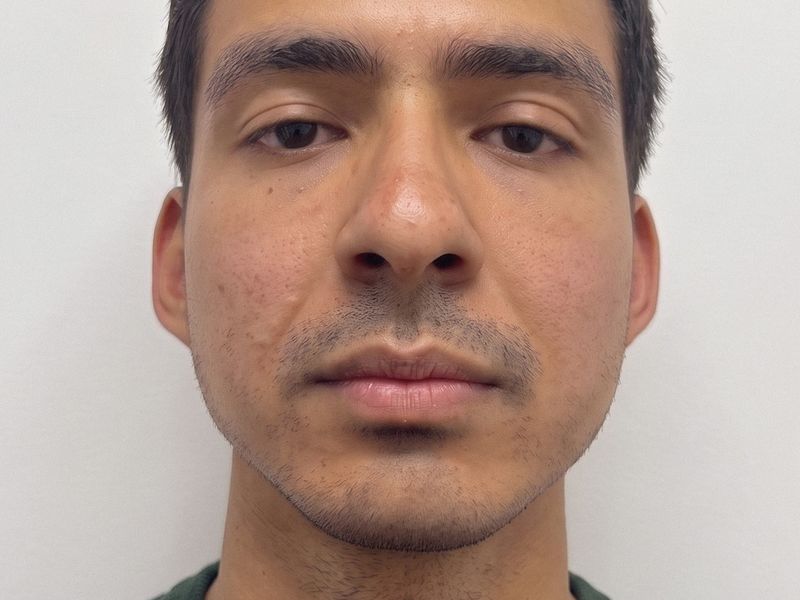
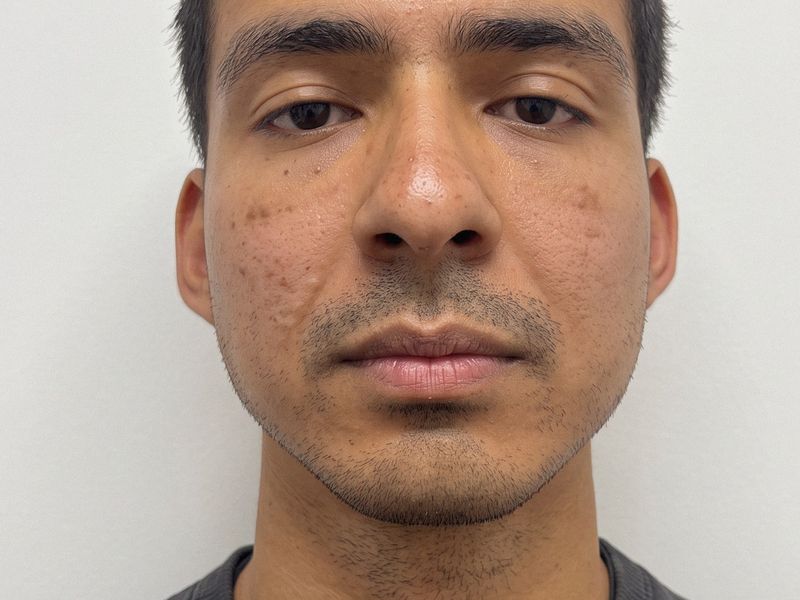
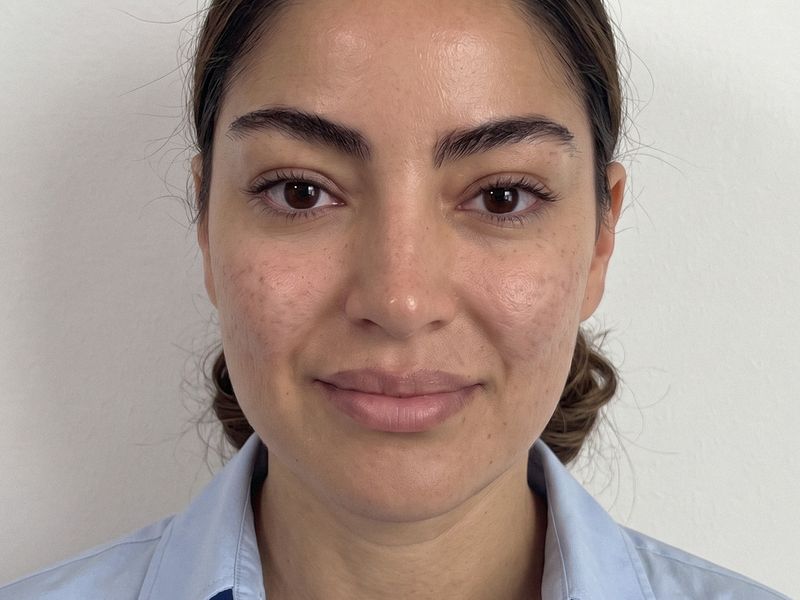
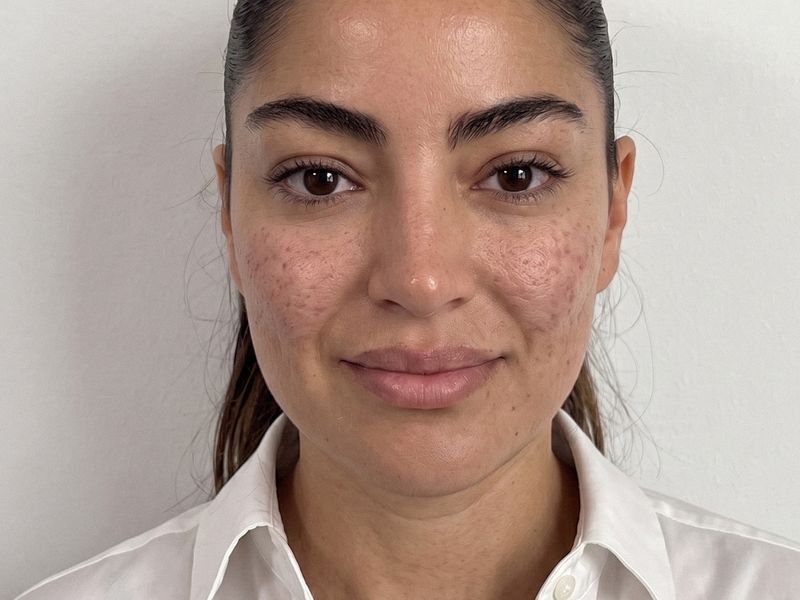
These photos (or videos) are published for informational purposes to illustrate the nature of the procedure. They do not constitute any guarantee of results. Results vary from person to person.
What areas can it treat?
What each area typically takes, and what that works out to. Your plan and price are confirmed at the consultation.
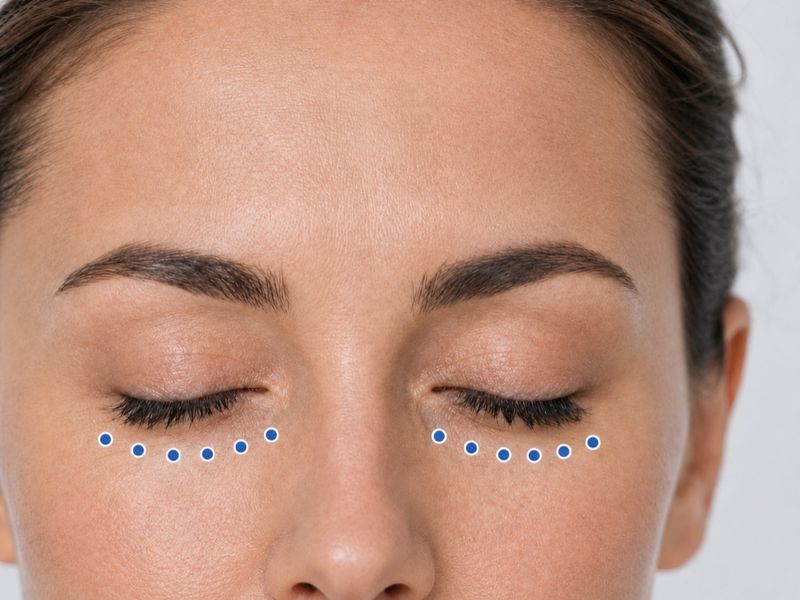 01
Under-eye area
3 sessionsFrom $1,650
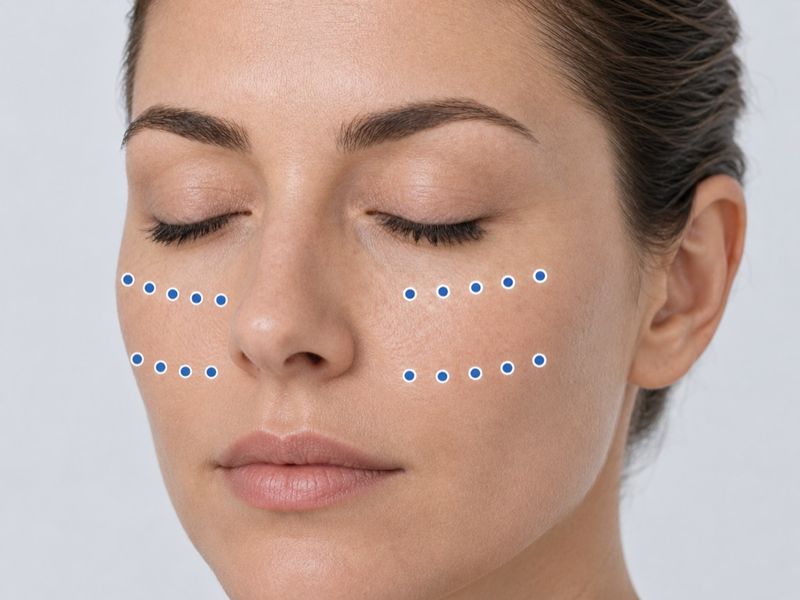 02
Cheeks and midface
3 sessionsFrom $1,650
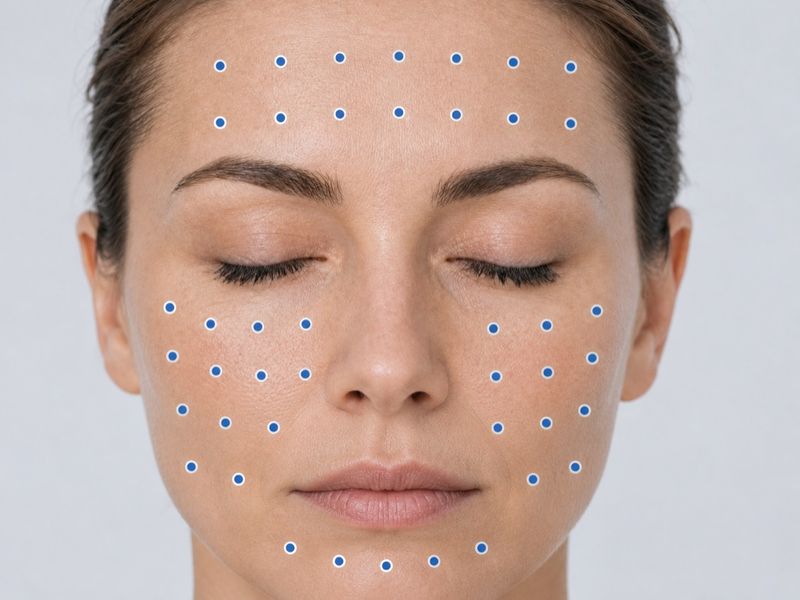 03
Full face
3 to 6 sessionsFrom $1,650
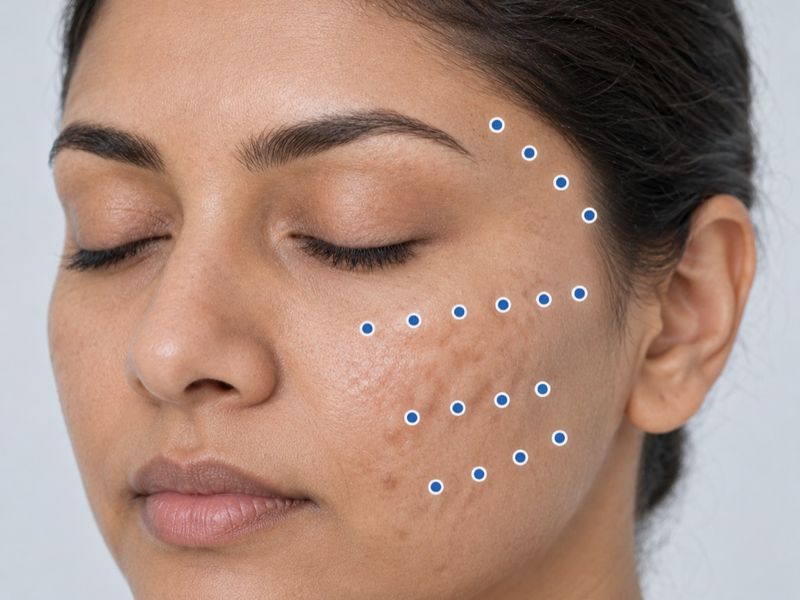 04
Cheeks and temples, for acne scarring
3 to 6 sessionsFrom $1,650
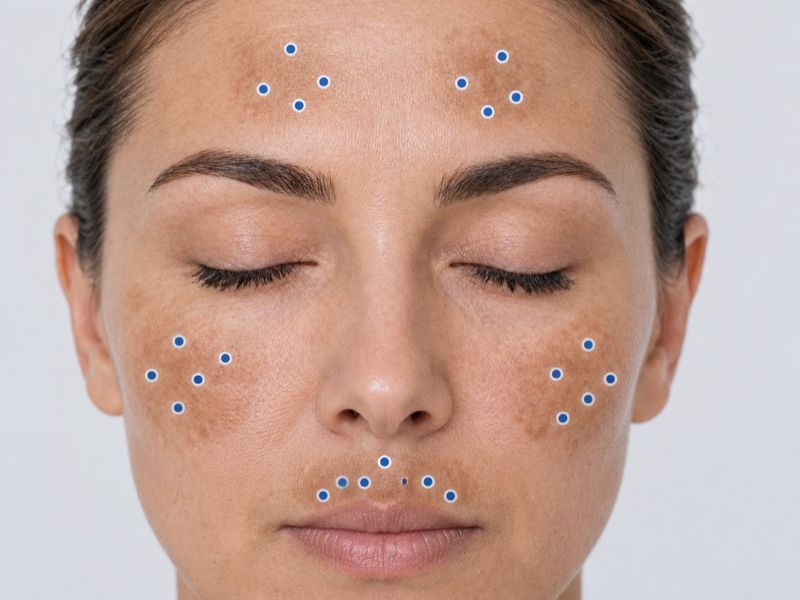 05
Forehead, cheeks and upper lip, for pigmentation
3 to 4 sessionsFrom $1,650
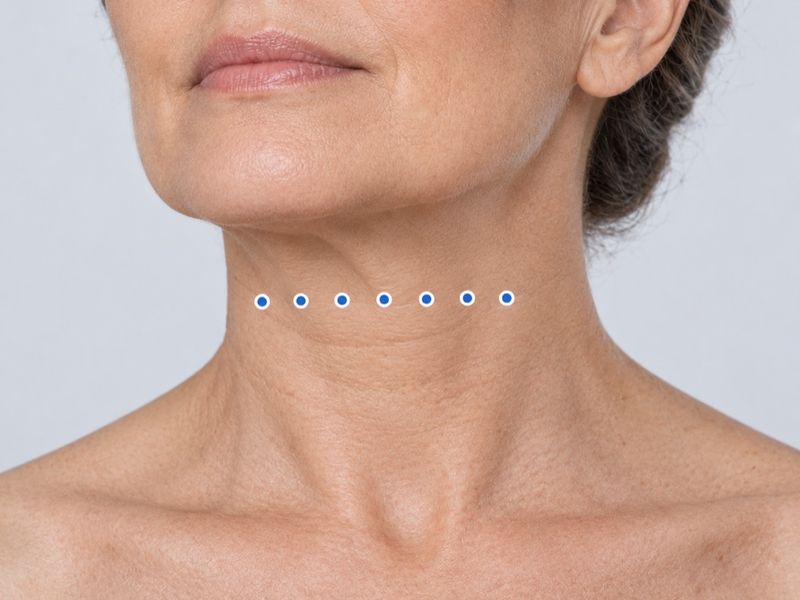 06
Neck
3 sessionsFrom $1,650
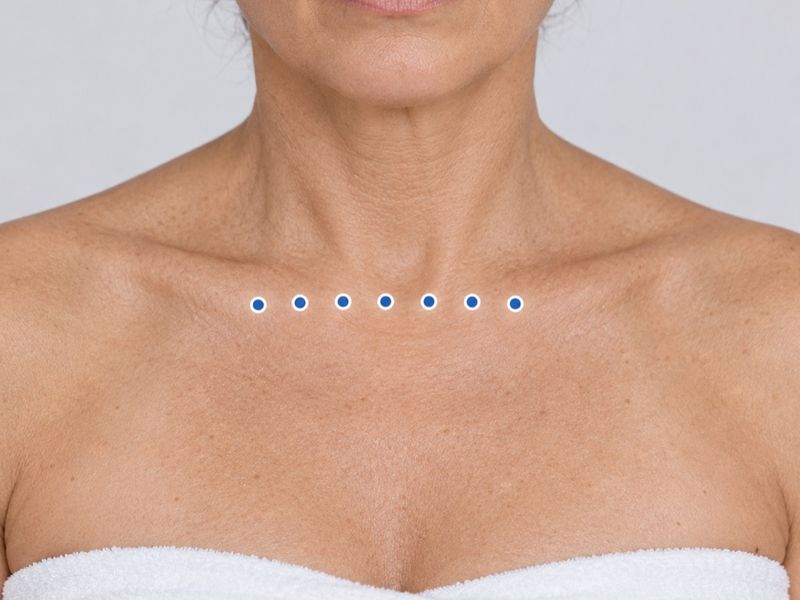 07
Décolleté
3 sessionsFrom $1,650
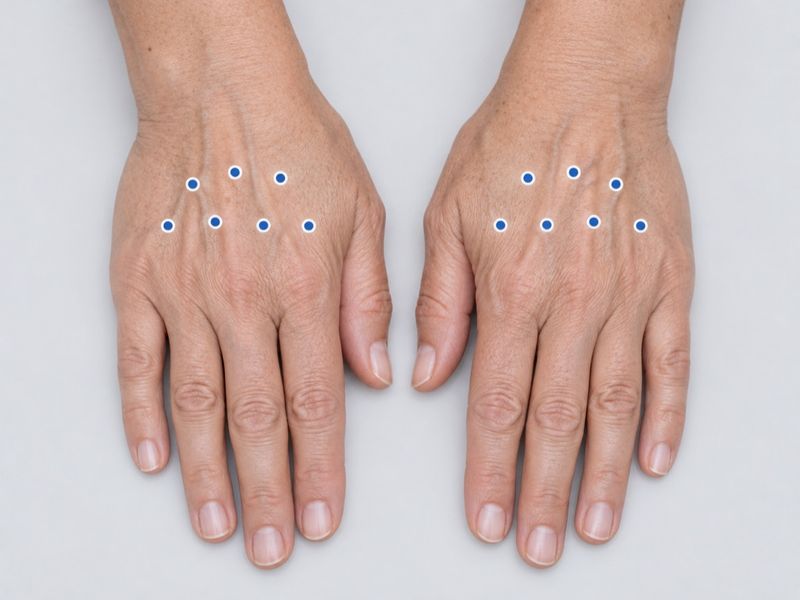 08
Hands
3 sessionsFrom $1,650
| Area | Typically | From |
|---|---|---|
| Upper face | ||
| Under-eye area | 3 | $1,650 |
| Mid and lower face | ||
| Cheeks and midface | 3 | $1,650 |
| Jaw and neck | ||
| Neck | 3 | $1,650 |
| Skin | ||
| Full face | 3–6 | $1,650 |
| Cheeks and temples, for acne scarring | 3–6 | $1,650 |
| Forehead, cheeks and upper lip, for pigmentation | 3–4 | $1,650 |
| Area | Typically | From |
|---|---|---|
| Body | ||
| Décolleté | 3 | $1,650 |
| Hands | 3 | $1,650 |
“From” prices use the lowest typical quantity at $550. Your plan and price are confirmed at the consultation.
New to injectables at IBC? Your first visit starts with a doctor’s consultation.
$130, credited back in full once you spend $500 + tax or more at the clinic. The doctor assesses your skin, confirms the treatment suits you, and sets how many sessions your course should run.
Google reviews that mention this treatment
Platelet-rich plasma releases at once, platelet-rich fibrin releases slowly
Both come from your own blood. The whole difference is in how the sample is spun, and what that leaves you with.
| Platelet-rich plasma (PRP)This treatment | Platelet-rich fibrin (PRF)View treatment → | |
|---|---|---|
| What is in the tube | Your blood plus an anticoagulant, so it cannot clot | Your blood and nothing else, so the fibrin can form |
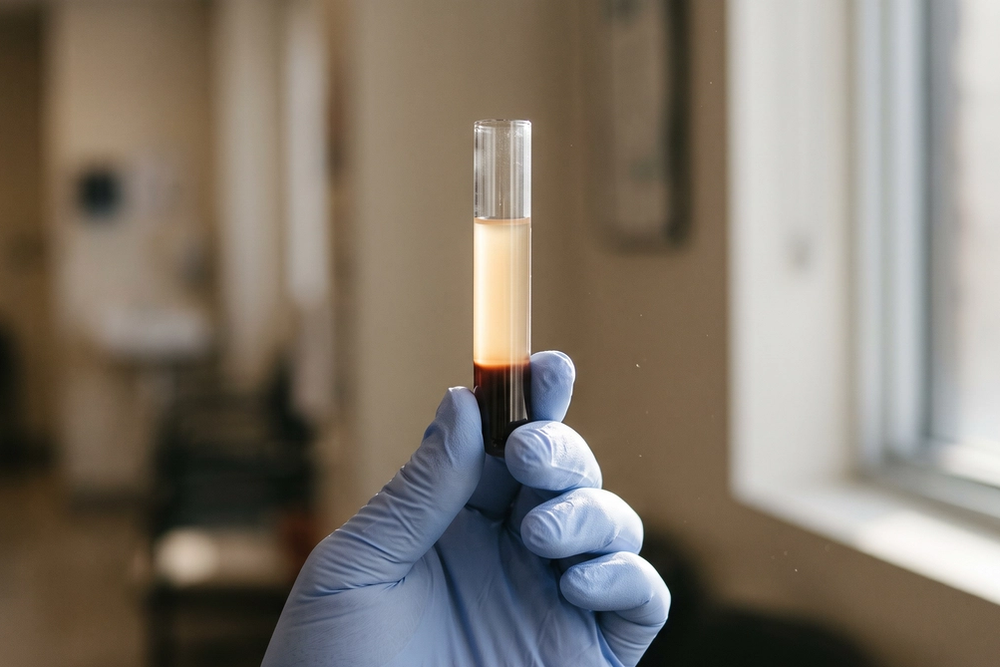
| How it is spun | Fast, which separates a liquid rich in platelets | Slower, which leaves a fibrin mesh holding the platelets and white cells |
| How the growth factors arrive | All at once, as soon as it is placed | Gradually, over about a week |
| Where each is usually chosen | Larger surfaces and skin quality: the full face, the neck, the décolleté, the hands | Thin, delicate skin, which is why it is best known under the eye |
| Treatment time | 30 to 60 minutes | 30 to 60 minutes |
| Downtime | Minimal. Mild swelling, redness, bruising and tenderness at the injection sites. | Minimal. Mild swelling, redness, bruising and tenderness, settling within a few days. |
| Price | $550 per session. | $550 per session. |
Each treatment’s facts come from its own page. Prices and timings are confirmed at your consultation.
A blood draw, a centrifuge, and the injections
Given by trained physicians and nurses, after a medical assessment with a physician.
- First visitFirst visit
Assessment and plan
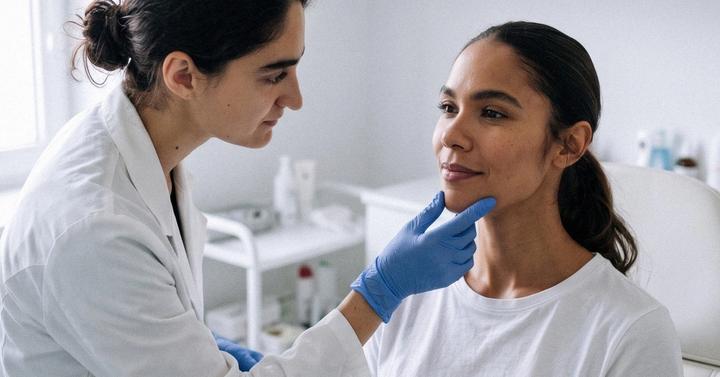
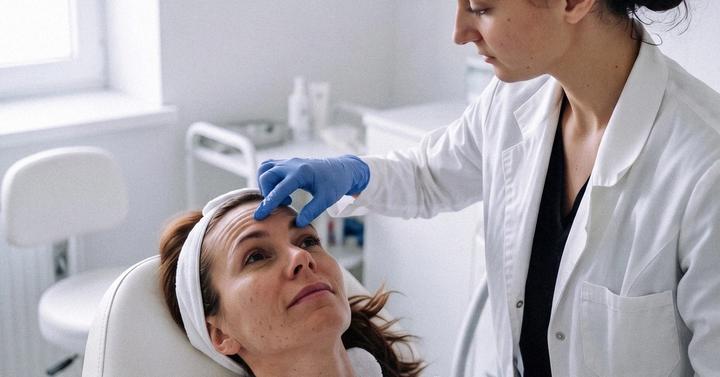
A physician looks at your skin, asks what bothers you, confirms that nothing in your medical history rules the treatment out, and sets how many sessions the course should run. First injectable visit: $130, credited back once you spend $500 + tax or more.
- Same visitSame visit
The blood draw
A small sample is taken from your arm, exactly as for an ordinary blood test, into a tube that contains an anticoagulant so the sample stays liquid.
- Same visitSame visit
Spun while you wait
The tube is spun fast enough to separate the platelet-rich layer from the rest of the blood. Numbing cream goes on the treatment area during that wait.
- Same visitSame visit
The injections, and back to your day
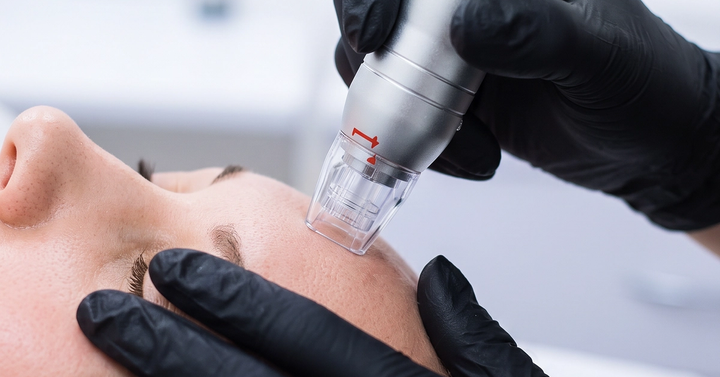
The concentrate is drawn off and placed with a fine needle in small, shallow points across the area, or worked in through microneedling channels when the two are combined. You leave with aftercare instructions and the date of the next session, four to six weeks out.
Eat and drink water before you come
A well-hydrated vein makes the draw quick and the sample better
Stop fish oil, vitamin E and anti-inflammatories five days before
They thin the blood and make bruising likelier at both sites
Skip alcohol the day before
Alcohol dehydrates you and dilates the vessels about to be injected
Leave the skin bare for the rest of the day
The injection points are open channels for a few hours
Ice in short spells if the area feels tender
Reduces both the swelling and the bruising
No gym, sauna or hot yoga for 24 hours
Heat and blood flow increase redness and swelling
Pause retinoids and acids for five days
Freshly treated skin stings and reacts to actives
Sunscreen every morning, and keep the next session
New collagen is built between sessions, and the sun undoes it
Side effects, and who should not have it
Because the concentrate is made from your own blood, there is no foreign material to react to. What is left is the needle, in two places.
- A physician assesses you and sets the length of your course
- Made from your own blood, with nothing else added
- Sterile single-use needles, and a review at each session
Common and temporary
- Mild swelling, redness and tenderness at the injection points for a day or two
- Bruising at the injection points, and sometimes at the draw site on your arm
Less common
- Feeling lightheaded during the blood draw, as with any blood test
- A small firm bump at an injection point, which settles over a few days
Wait, or choose another option, if
- You have a bleeding or clotting disorder, or a low platelet count
- You have an active infection, or a cold sore outbreak in the area to be treated
- You have an autoimmune disease that is not stable
- You have cancer, or are being treated for it
- You are pregnant or breastfeeding
- You take a blood thinner, until your prescribing doctor has been consulted
Call the clinic or seek care right away if
Redness spreads outward from an injection point, the area becomes hot and increasingly painful, pus appears, or you develop a fever. An infection after an injection is uncommon and is treated as urgent.
Best for skin quality, when you would rather use your own material
Look at the skin itself rather than at the shape of your face. Which one matches?
You see
Skin that reads dull, thin or crepey before any one line is deep
Areas
Under-eye area · Cheeks and midface · Full face
You see
A hollow or a fold you want filled, rather than skin you want better
Consider instead
You see
Skin that has loosened and descended, which better skin quality will not lift
Consider instead
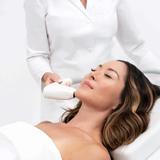
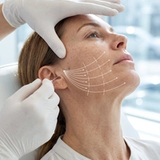
You see
Deep, indented acne scarring as the only concern
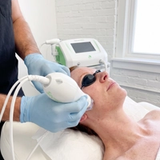
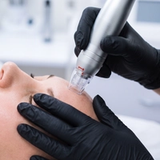
Not sure which one you are looking at? A consultation settles it in a few minutes.
Frequently asked questions about platelet-rich plasma
If yours is not here, ask us at your consultation, or send it to the clinic before you book.
A small sample of blood is drawn from your arm, the same way as for any blood test. It is spun in a centrifuge while you wait, which separates the platelet concentrate.
That concentrate is then injected into the treatment areas with a fine needle, or worked in through microneedling channels when the two are combined. Numbing cream is applied during the spin.
The whole appointment runs 30 to 60 minutes.
The blood draw feels like any other. The injections that follow are small and shallow, and numbing cream is applied while the sample is spinning.
Expect mild tenderness and some redness at the injection sites for a day or two afterwards.
Both are made from your own blood, and the difference is in how the sample is spun.
Platelet-rich plasma is spun with an anticoagulant, so it stays liquid and releases its growth factors at once. Platelet-rich fibrin is spun slower and without one, so it keeps a fibrin scaffold that releases them over days instead.
In practice, the liquid concentrate suits larger surfaces and skin quality across a whole face, a neck or a décolleté. The fibrin form is more often chosen for thin, delicate skin such as the under-eye area. Your practitioner will tell you which suits the area being treated.
Your own blood, and nothing else. A sample is drawn, spun to separate the platelet-rich portion, and that portion is injected back.
No synthetic material and no donor tissue are involved. The only thing added to the tube is the anticoagulant that keeps the sample liquid while it is spun.
There is nothing to reverse. The concentrate is your own tissue and the body absorbs it within days, so what remains is the repair response it prompted rather than the material itself.
Adjustment is a matter of how many sessions you have and how far apart they are spaced.
Mild swelling, redness, bruising or tenderness at the injection sites, usually settling within a few days. A bruise at the draw site on your arm is also common.
Because the concentrate is made from your own blood, there is no foreign material to react to.
It is not suitable if you have a bleeding disorder, an active infection, an autoimmune disease or cancer, or if you are pregnant or breastfeeding.
Six to twelve months after a full course, at which point a maintenance session keeps it going.
Results appear within a few weeks of starting and continue to build for three to six months, so the picture at the end of the course is not the final one. Results vary from person to person.
$550 per session. A course is usually three to six sessions, and how many you need is decided at your consultation.
A first visit includes a physician consultation of $130, credited toward treatment from $500. A microneedling session, when it is combined with the concentrate, is priced separately. Taxes are extra.
Prices are given as a guide and confirmed in writing at your consultation. Results vary from person to person and are not guaranteed.
A treatment that uses a concentration of your own platelets to prompt the skin to repair itself.
A small blood sample is spun to separate the platelet-rich portion, which is then injected into the areas being treated.
It works on skin texture, tone and fine lines rather than adding volume.
Injections place the concentrate at the points where the needle goes in. Microneedling opens thousands of fine channels across the whole area first, so the concentrate reaches the surface between those points as well.
That is why the combination is the usual choice for a full face and for acne scarring, where the aim is an even change across a wide plane rather than a change at specific spots.
The microneedling session is priced separately from the concentrate.
A course is three to six sessions, four to six weeks apart. Three is the usual starting point for skin quality on a face; six is more common for acne scarring or for skin that has had years of sun.
The interval matters as much as the number. Four to six weeks is roughly how long the repair response runs, so a session sooner than that adds little, and a gap much longer loses the build-up between sessions.
A physician sets both at your consultation, and reviews where you are at each session.
No. A filler occupies space: it is placed under a fold or a hollow and the shape changes the same day.
Platelet-rich plasma occupies nothing. The concentrate is absorbed within days, and what remains is the repair response it asked for. The change is in the quality of the skin, and it takes months.
The two are not alternatives, and they are often part of one plan: the filler for what has gone hollow, the concentrate for the skin over it.
Not without speaking to the doctor who prescribed it first. A blood thinner makes bruising likelier at both the draw site and the injection points, and it is never stopped for an aesthetic treatment without the prescriber’s agreement.
Bring the name and dose of everything you take to your consultation, including over-the-counter anti-inflammatories and supplements.
A bleeding or clotting disorder, or a low platelet count, rules the treatment out rather than postponing it.
Yes, and it is one of the clinic’s scalp protocols. It follows a different protocol from the facial treatment and is treated as its own service, with its own price.
It starts with a scalp assessment, because what the plan should be depends on what is causing the thinning. Thinning from one cause does not respond the way thinning from another does.
Book a consultation for the scalp rather than the face if that is your concern, so the assessment is the right one.
Leave the skin bare for the rest of the day. The injection points stay open for a few hours, and makeup on an open channel is the one avoidable route to a spot or an infection.
The gym, the sauna and hot yoga wait 24 hours, because heat and raised blood flow both increase redness and swelling.
Retinoids and acids go back in after five days. Sunscreen starts the next morning and does not stop, because the new collagen built between sessions is what the sun undoes.
Read more about this treatment
Longer pieces from the clinic on how this treatment works, who it suits, and what a full course looks like.
 Sep 2026
Do Exosomes Improve Results After Aesthetic Treatments?
Exosomes may support skin recovery and rejuvenation after selected procedures. See what evidence shows for RF microneedling, PRP, PRF and salmon-DNA treatments.
 Aug 2026
PRP for Skin: What Does a Full Course Look Like?
A PRP course is usually 3 sessions a month apart, judged at 3 months. Here is the month-by-month timeline, and an honest look at what blinded trials actually found.
 Aug 2026
PRF or PRP: What Does the Fibrin Scaffold Change?
PRF is spun once without anticoagulant, so growth factors release over about 10 days instead of one hour. Whether that produces a better result is a separate question.
 Jan 2026
PRP vs. Exosomes: Advanced Regenerative Treatments at Ideal Body Clinic
In the world of non-surgical rejuvenation, two powerful treatments are gaining attention for their ability to…
 Oct 2025
🌿 Hair Restoration Program at Ideal Body Clinic
Strengthen, Regrow, and Revitalize Your Hair Naturally At Ideal Body Clinic, we understand that hair loss…
- Oct 2025
💆♀️ Mesotherapy for Hair Restoration — Vitamin Scalp Injections at Ideal Body Clinic, Montreal
Healthy, strong, and beautiful hair starts with a healthy scalp. At Ideal Body Clinic in Montreal, our…
- Oct 2025
PRP/PRF Therapy
PRP & PRF Therapy: Harnessing the Power of Your Own Body for Rejuvenation At Ideal Body Clinic, we believe…
- Aug 2025
Hair Restoration with PRP Therapy: A Natural Solution for Hair Loss
Understanding the Problem: Hair Loss Hair loss is a common concern that affects both men and women, often…
- Apr 2025
Experience the Future of Rejuvenation at Ideal Body Clinic: PRP with Exosomes & PRP + Collagen-stimulating filler (CaHA)
At Ideal Body Clinic, we are committed to bringing you the most advanced and effective aesthetic treatments…
- Feb 2025
Hair Restoration Treatments at Ideal Body Clinic
Hair loss can affect anyone, impacting self-confidence and overall well-being. At Ideal Body Clinic, we offer…
- Mar 2024
PRP and PRF treatment blog
In the realm of skincare, advancements and innovations continuously push the boundaries of what's possible.…
- Sep 2023
"Unlocking the Power of PRP for Hair Regrowth at Ideal Body Clinic in Montreal"
Are you struggling with hair thinning or hair loss? The answer to regaining a full and healthy head of hair…
Other treatments for similar concerns

Available at all three clinics
- 01
Monkland
6000 Avenue Monkland, Montreal
- 02
Sherbrooke
5500 Rue Sherbrooke Est, Montreal
- 03
Châteauguay
50 Boulevard d'Anjou, Châteauguay
Book, or ask us first
Book now
Meet one of our physicians to plan the areas and the dose.
Results vary from person to person and are not guaranteed.