 Wrinkles, volume & contour
PDO Thread Lifts in Montreal
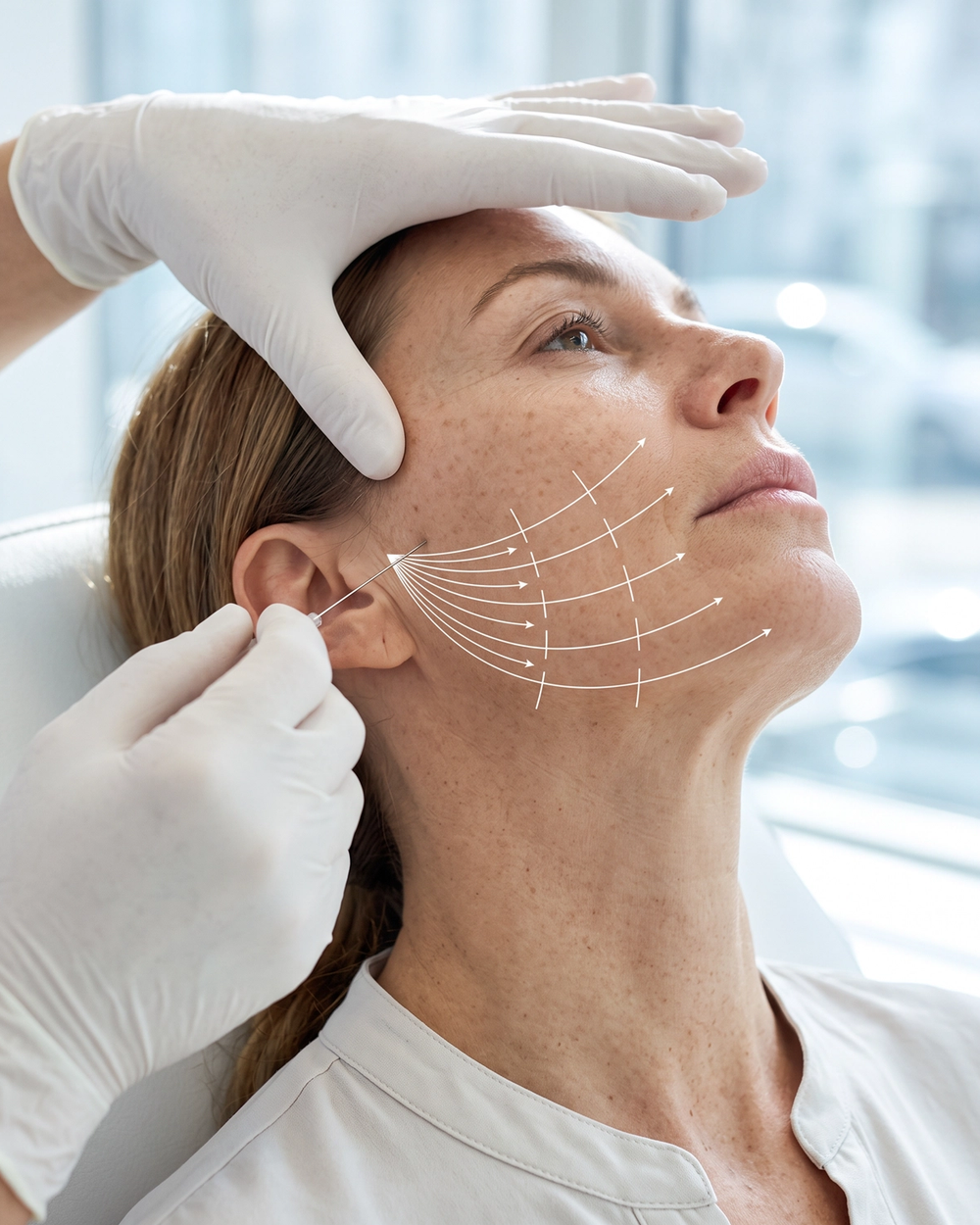
A thread lift repositions tissue that has descended. Fine absorbable sutures are passed under the skin, their barbs grip the tissue, and it is drawn back up the path it travelled down: the jawline, the cheek, the brow. The lift is visible as you leave, and the threads leave collagen behind as they dissolve.
- Monkland · Sherbrooke · Châteauguay
- Consultations in French and English
- Treatment time
- 30 to 90min
- Downtime
- Minimal
- Results appear
- Same day
- Results last
- 12 to 18months
- Price
- $650per treatment area
PDO thread lifts
 How it works
What does a PDO thread lift do?
It lifts sagging skin back to where it was.
With age, the cheeks slide down and pile up along the jaw. The practitioner slides fine threads under the skin. Tiny barbs grip the tissue and draw it back up. You see the lift right away, and the threads leave new collagen behind as they dissolve. Results last 12 to 18 months.
- 01
Your cheeks slide down with age
- 02
The practitioner places barbed threads under the skin
- 03
You see the lift the same day
Your results, step by step
1 visit. Full results in 2 to 3 months.
Your visit · 30 to 90 min
The practitioner places the threads
A numbing cream goes on first, then a local anesthetic. Each thread slides in through a fine cannula and is drawn up along a planned line. You feel pressure and a pulling feeling.
Same day
The lift, with a tight feeling
You leave with the tissue lifted and a tight, pulling feeling. Small puckers where the threads went in are normal on day one.
Weeks 1 to 2
Swelling and bruises settle
Light bruises can take 7 to 14 days to clear. Tenderness when you open your mouth wide eases too. Most puckers flatten in this time.
2 to 3 months
Your real result
New collagen has formed along each thread. The lift looks softer and more like your own face. This is the time to judge it.
12 to 18 months
A slow release, then a touch-up
The lift eases gently over time. A touch-up before it fully releases usually needs fewer threads.
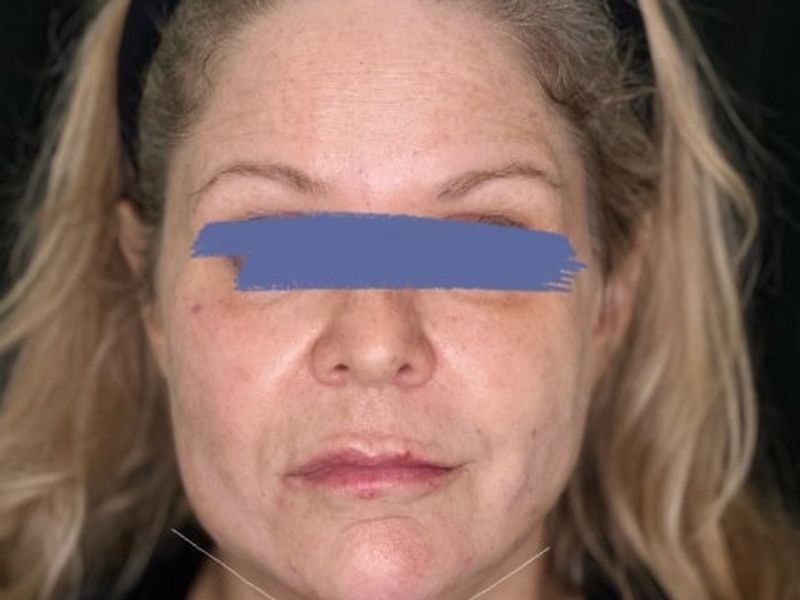
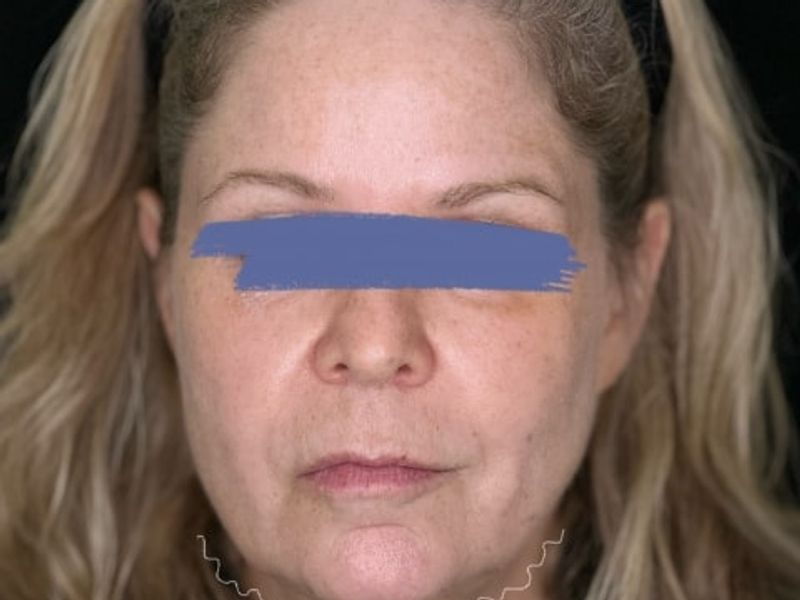
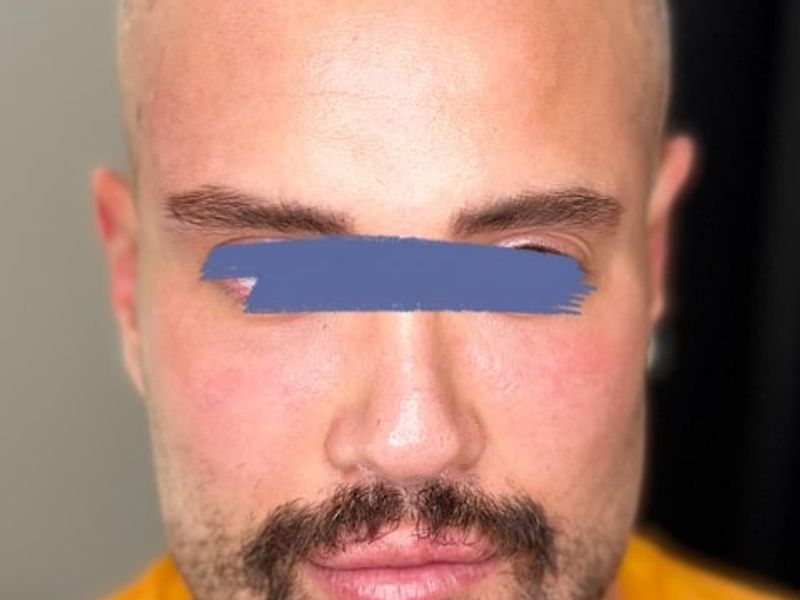
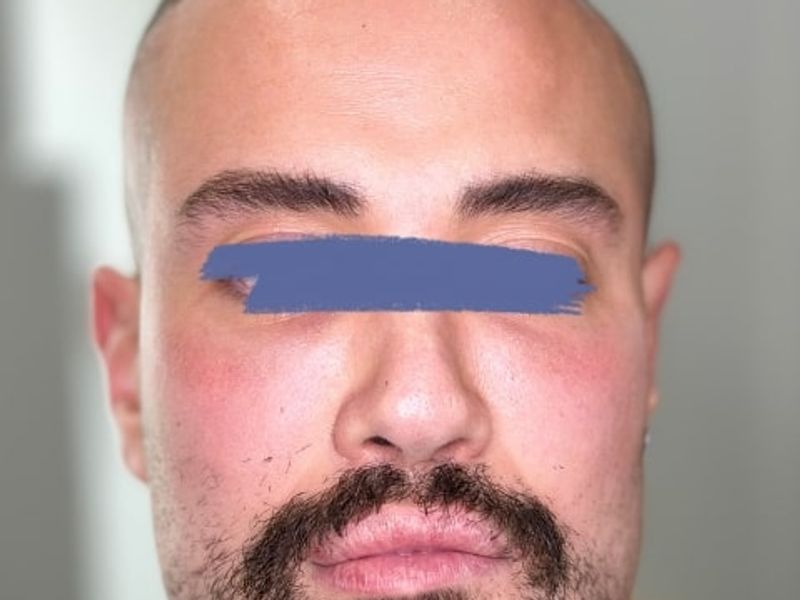
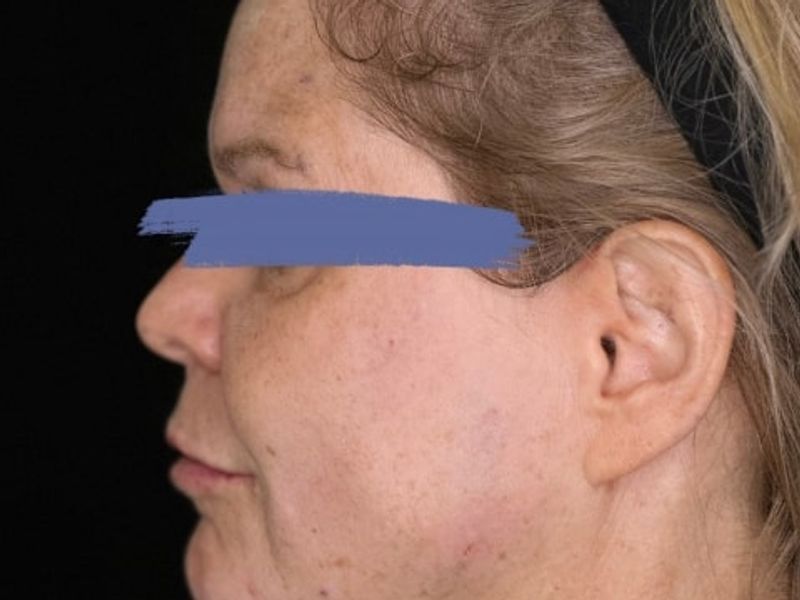
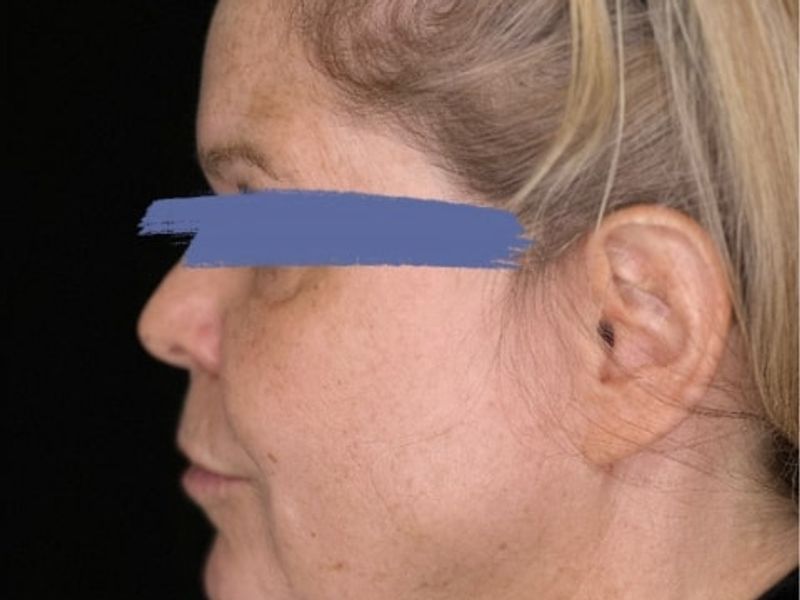
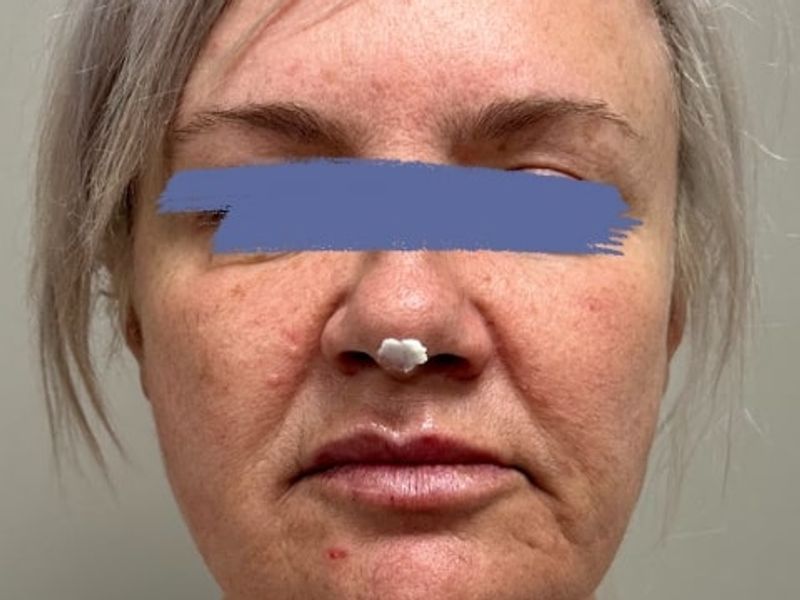
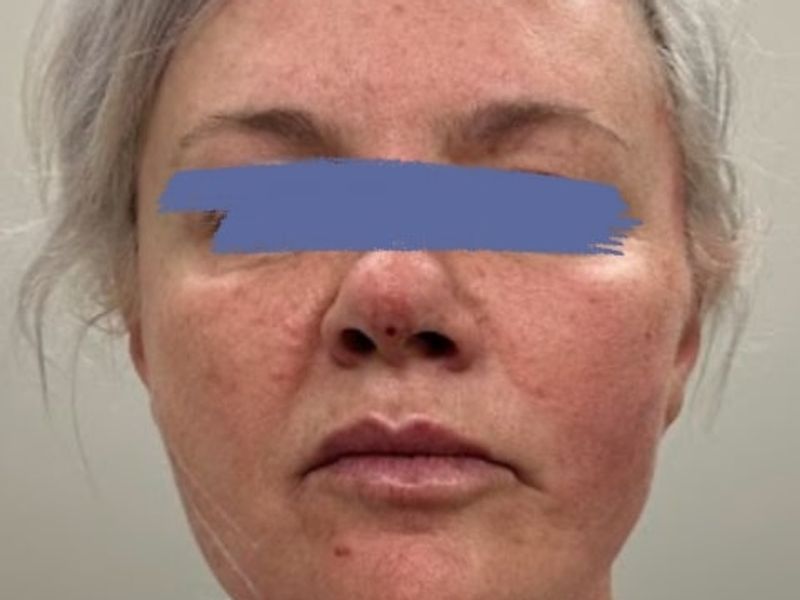
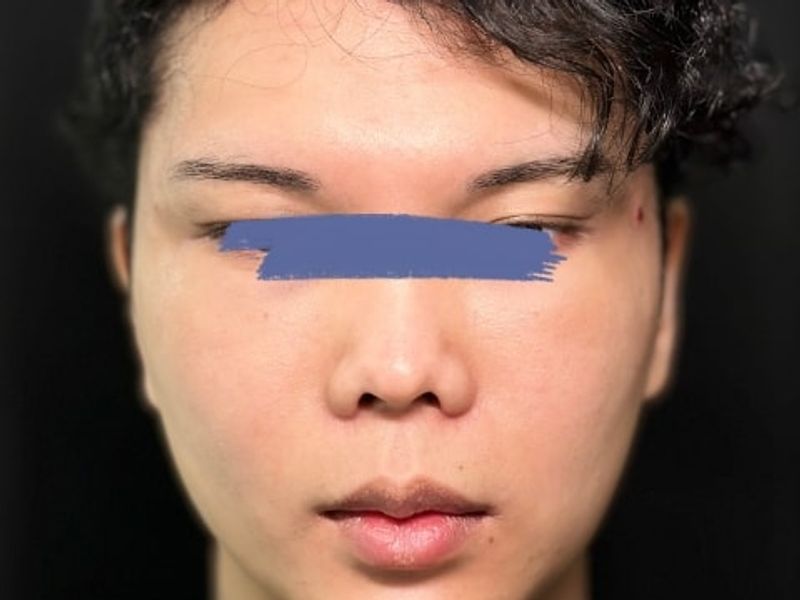
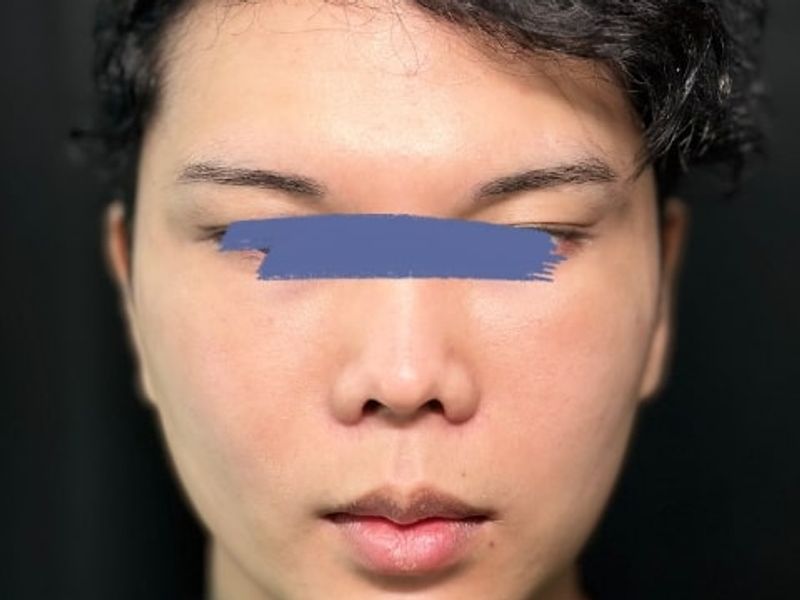
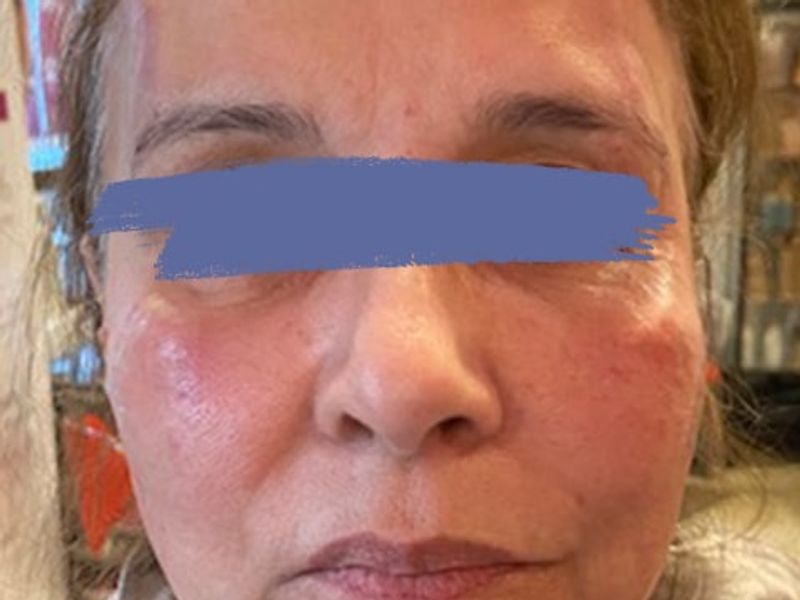
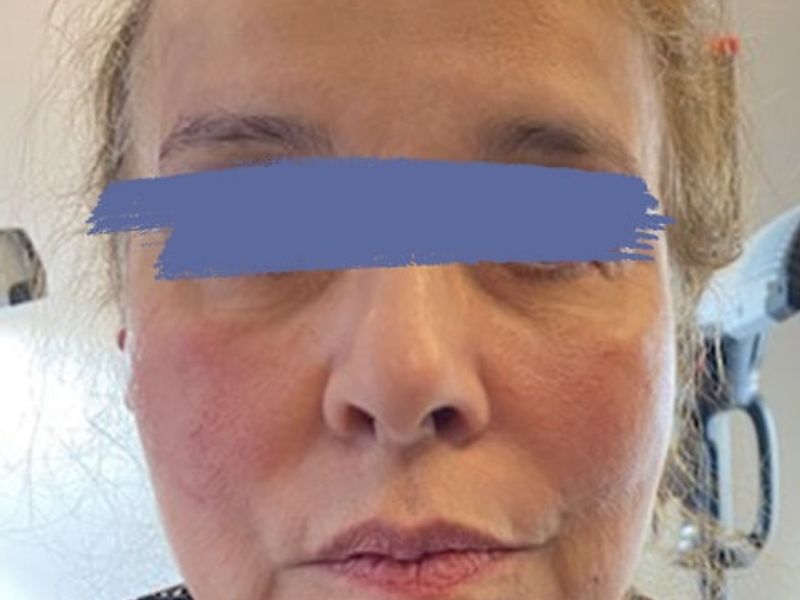
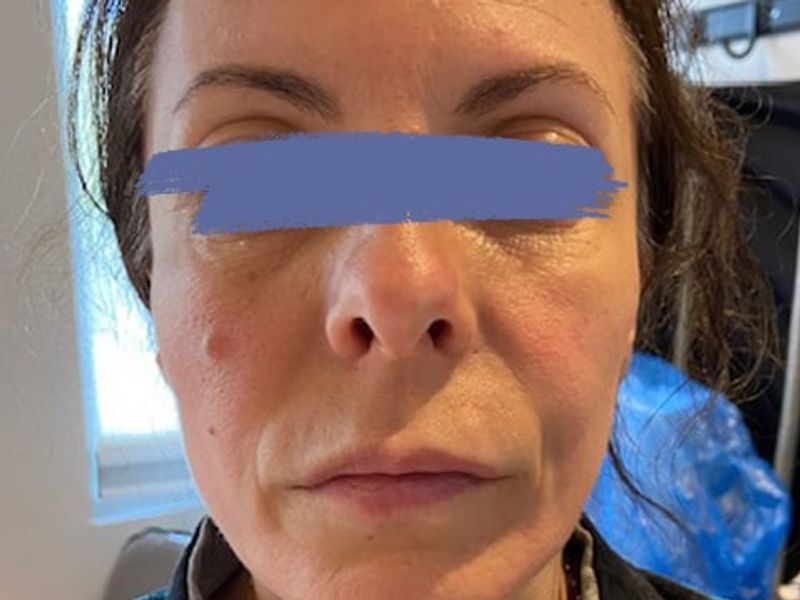
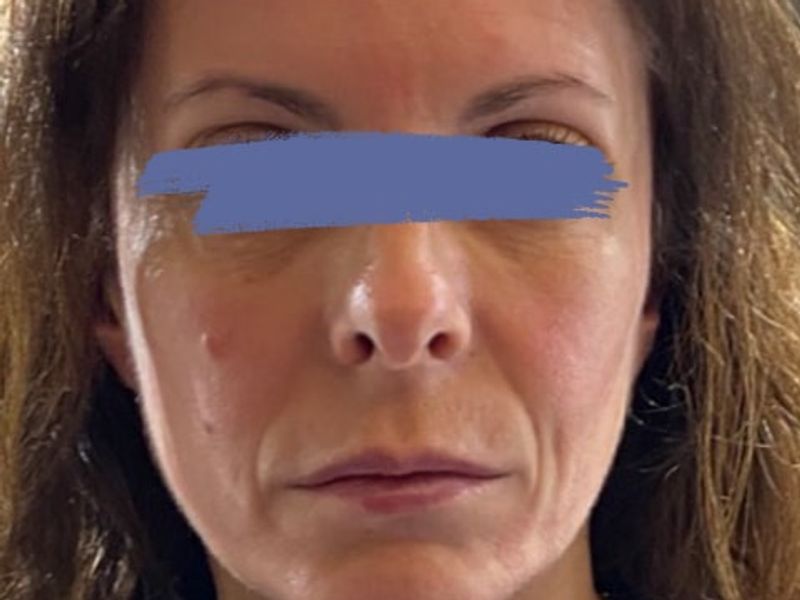
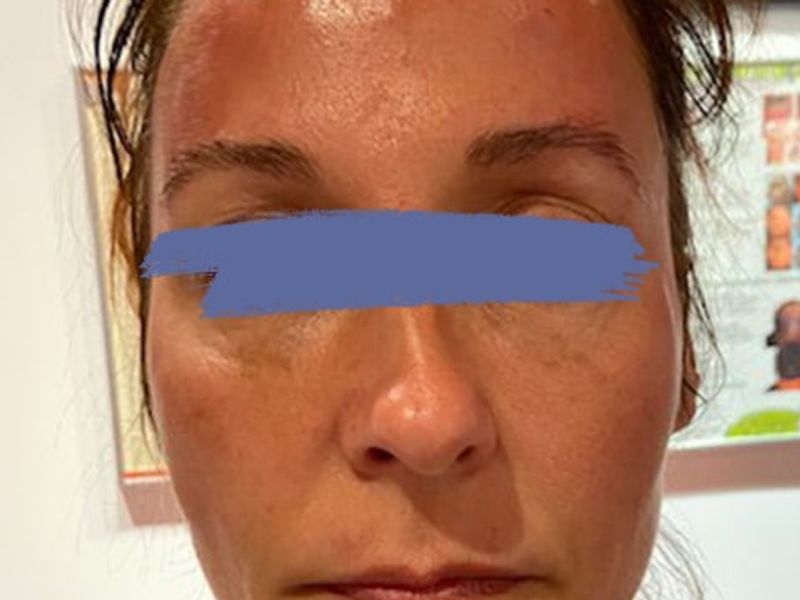
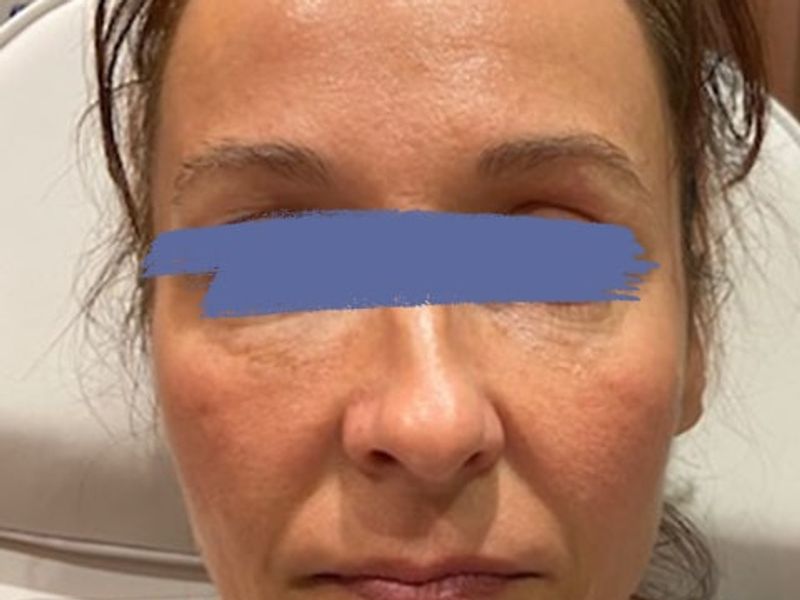
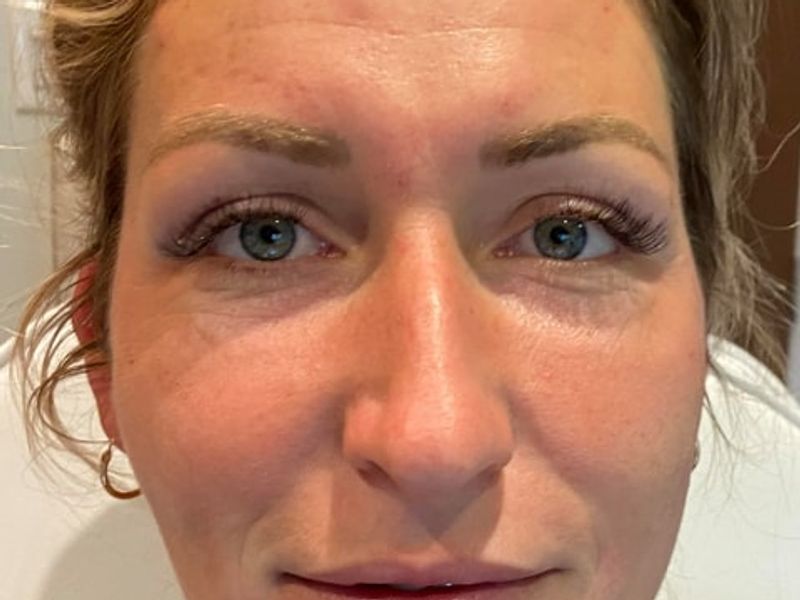
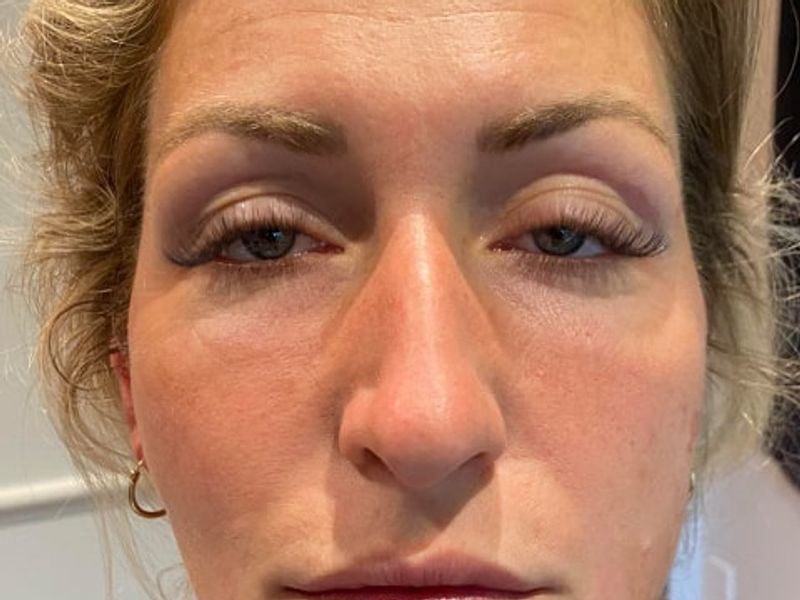
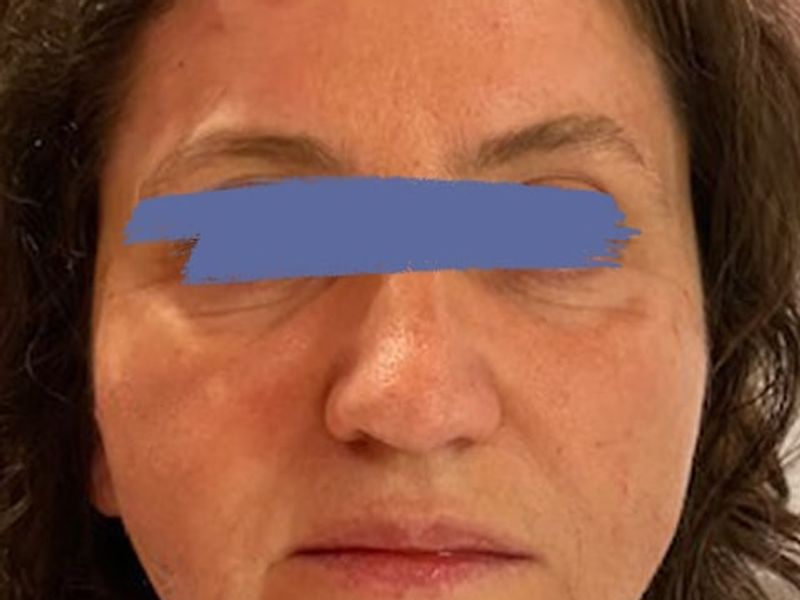
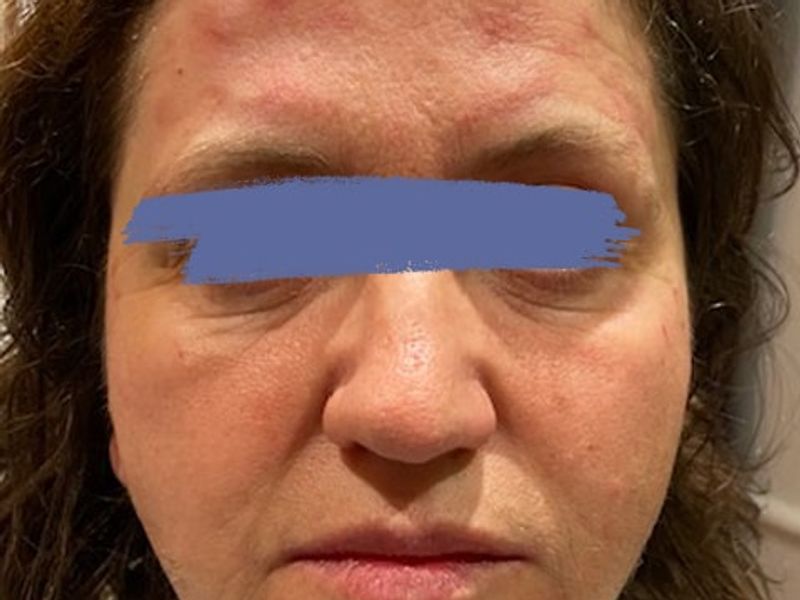
These photos (or videos) are published for informational purposes to illustrate the nature of the procedure. They do not constitute any guarantee of results. Results vary from person to person.
What are PDO threads used for?
What each area typically takes, and what that works out to. Your plan and price are confirmed at the consultation.
 01
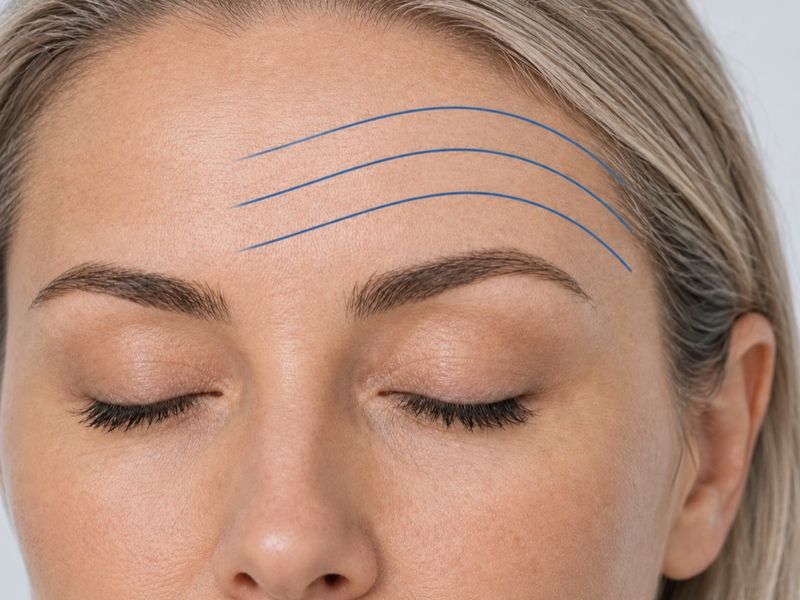
Brow and outer eye
1 treatment areaFrom $650
 02
Forehead and temple
1 treatment areaFrom $650
 03
Midface and cheek
1 treatment areaFrom $650
 04
Nasolabial folds
1 treatment areaFrom $650
 05
Marionette lines and lower face
1 treatment areaFrom $650
 06
Nose, bridge and tip
1 treatment areaFrom $650
 07
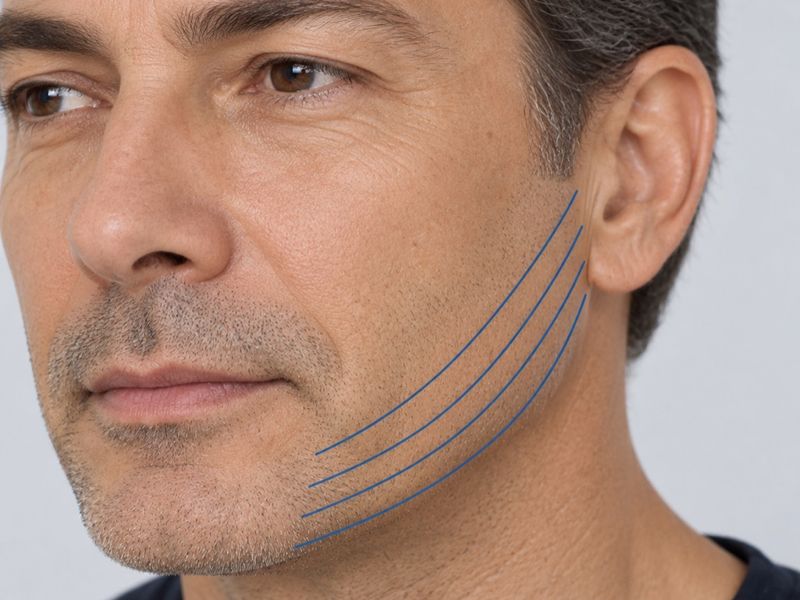
Jawline and jowls
1 treatment areaFrom $650
 08
Under the chin and upper neck
1 treatment areaFrom $650
 09
Abdomen
2 to 3 treatment areasFrom $1,300
 10
Inner arms and knees
2 treatment areasFrom $1,300
Most popular: Brow and outer eye, Midface and cheek, and Jawline and jowls together · 3 treatment area
From $1,950| Area | Typically | From |
|---|---|---|
| Upper face | ||
| Brow and outer eye | 1 | $650 |
| Forehead and temple | 1 | $650 |
| Mid and lower face | ||
| Midface and cheek | 1 | $650 |
| Nasolabial folds | 1 | $650 |
| Marionette lines and lower face | 1 | $650 |
| Nose, bridge and tip | 1 | $650 |
| Area | Typically | From |
|---|---|---|
| Jaw and neck | ||
| Jawline and jowls | 1 | $650 |
| Under the chin and upper neck | 1 | $650 |
| Body | ||
| Abdomen | 2–3 | $1,300 |
| Inner arms and knees | 2 | $1,300 |
“From” prices use the lowest typical quantity at $650, up to $2,500 depending on the product and the area. Your plan and price are confirmed at the consultation.
New to injectables at IBC? Your first visit starts with a doctor’s consultation.
$130, credited back in full once you spend $500 + tax or more at the clinic. The doctor lifts the tissue by hand, marks where each thread would be anchored and sets the plan.
Google reviews that mention this treatment
Threads reposition tissue, fillers replace volume
Which one you need depends on one question: has the tissue moved, or has it gone?
| PDO thread liftsThis treatment | Hyaluronic acid fillersView treatment → | |
|---|---|---|
| What it treats | Tissue that has descended: a jowl, a heavy cheek, a low brow | Volume that has been lost, and folds visible at rest |
| How it works | A barbed suture grips tissue and holds it in a direction | A gel occupies space under the skin |
| How long it lasts | 12 to 18 months | 6 to 18 months |
| If you change your mind | The threads are absorbed on their own; they are not reversed on demand | Can be dissolved with an enzyme in most cases |
| Treatment time | 30–90 minutes | 30–60 minutes |
| Downtime | Minimal (swelling, bruising, or tenderness at insertion points) | Minimal (redness, swelling, bruising, or tenderness at injection sites) |
| Price | $650 – $2,500, depending on treatment area | $289 – $800, depending on volume |
Each treatment’s facts come from its own page. Prices and timings are confirmed at your consultation.
Consultation and treatment in the same visit
Placed by trained physicians and nurses, after a medical assessment with a physician.
- First visitFirst visit
Assessment and plan
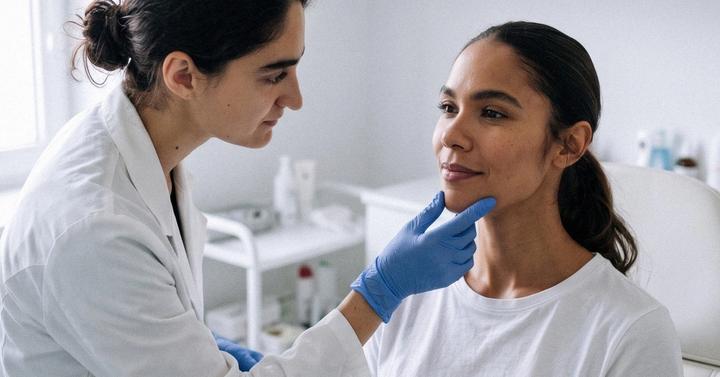
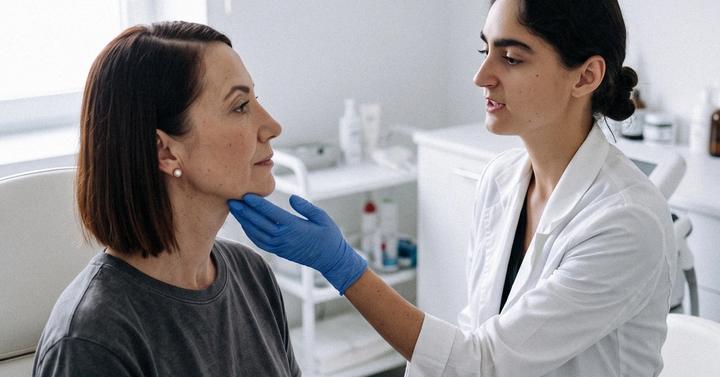
A physician lifts the tissue by hand to see how far it moves and where it wants to go, then marks the anchor points, the direction of each thread and the type each one will be. First injectable visit: $130, credited back once you spend $500 + tax or more.
- Same visitSame visit
Numbing
A topical anesthetic cream is applied and left to work, and a local anesthetic is injected at each entry point and along the path the thread will take.
- Same visitSame visit
Placing and tensioning the threads
Each thread is passed through a fine cannula from a single entry point, the tissue is drawn along the planned line, and the tension is checked against the other side before the end is trimmed.
- Right afterRight after
Ice, and what to expect
Ice, your aftercare instructions, and a follow-up appointment once the swelling has gone, when the position can be judged and the tension compared side to side.

Stop fish oil, vitamin E and anti-inflammatories five days before
They thin the blood and make bruising likelier
Skip alcohol the day before
Alcohol dilates the vessels the cannula passes through
Tell the physician about any previous threads, filler or surgery in the area
Scar tissue changes where a thread can be anchored
Come with the area clean and free of makeup
The skin is disinfected before any entry point is made
Do not touch or wash the treated area for 12 hours
The entry points are small open punctures
Keep movement in the area to a minimum for 24 hours
No rubbing, scratching or shaving while the tissue grips the threads
Sleep on your back with your head slightly raised for the first week
Side pressure can shift a thread before it is held
No heat for 48 hours: no pool, sauna or spa
Heat and blood flow increase swelling and bruising
No strenuous exercise for one to two weeks
Hard effort pulls on the threads before collagen has formed
Avoid facials, massage and dental work for two weeks
All three stretch the treated area strongly
Side effects, and who should wait
Most side effects are mild, temporary and limited to the insertion points and the path each thread took.
- A physician assesses you, marks the anchor points and sets the plan
- Absorbable polydioxanone sutures, a material used in surgery for decades
- Sterile single-use threads and cannulas, and a follow-up once the swelling has gone
Common and temporary
- Swelling, tenderness and a tight pulling feeling for one to two weeks
- Light bruising at the insertion points, which can take 7 to 14 days to clear
Less common
- A small dimple or pucker where a thread is anchored, which usually flattens within a few weeks and can be released if it does not
- A thread end that can be felt, seen under thin skin or works its way to the surface, in which case it is trimmed or removed
- Numbness or a prickling sensation along a thread, which settles as the nerve endings recover
- Visible asymmetry between the two sides, corrected by adjusting the weaker side at the follow-up
Wait, or choose another option, if
- You are pregnant or breastfeeding
- You have an active skin infection, inflamed acne or a cold sore outbreak in the area to be treated
- You have had a reaction to a polydioxanone suture or to a local anesthetic
- You have an autoimmune or connective-tissue condition that is not stable, or any condition that slows healing
- You take a blood thinner, until your prescribing doctor has been consulted
- You form keloid or thickened scars, since each entry point is a small wound
Call the clinic or seek care right away if
The skin over a thread turns white or dusky, the pain is severe and increasing, the area becomes hot, red and swollen after the first few days, or a thread end comes through the skin. These are rare, and they are treated as urgent.
Best for tissue that has moved, not volume that has gone
Lift the skin of your cheek upward and back with two fingers, then let go. What you see while you hold it is roughly what a thread lift does.
You see
Skin that has begun to descend but still springs back when you lift it
Areas
Brow and outer eye · Midface and cheek · Jawline and jowls
You see
A flat cheekbone or a hollow temple: volume that has gone rather than moved
Consider instead


You see
Heavy, advanced sagging with a large excess of loose skin, which a suture cannot carry
You see
A pad of fat under the chin, rather than skin that has slackened


Not sure which one you are looking at? A consultation settles it in a few minutes.
Frequently asked questions about PDO thread lifts
If yours is not here, ask us at your consultation, or send it to the clinic before you book.
During your consultation, a physician lifts the tissue by hand to see how far it moves, then marks the anchor points, the direction of each thread and the type each one will be.
After the area is prepared and numbed, a fine cannula carries each thread into the layer just under the skin. The barbs catch the tissue, it is drawn along the planned line, and the tension is compared with the other side before the thread end is trimmed.
The session takes 30 to 90 minutes depending on the area, and most people go back to work the same day. Expect swelling, tenderness and a tight pulling feeling for a week or two, and light bruising that can take 7 to 14 days to clear.
The lift is visible as you leave. Collagen forms along each thread over the next two to three months, and the result lasts 12 to 18 months. Results vary from person to person, which is why the plan is set at a medical consultation.
Most patients describe pressure and a pulling sensation rather than pain. A topical anesthetic cream is applied first, and a local anesthetic is injected at each entry point and along the path the thread will take.
Tenderness and an ache when you open your mouth wide or turn your head are usual for up to two weeks afterwards, and are managed with a mild painkiller. Tell us if the pain is severe or increasing rather than settling.
No incision is made, so there is no surgical scar and no stitches to remove. The risks that remain are those of a procedure done through small punctures.
The common effects are swelling, tenderness and bruising at the insertion points. Less often, a small dimple or pucker forms where a thread is anchored, a thread end becomes palpable or visible, or an area feels numb or prickly along a thread for a few weeks.
Infection is uncommon but possible, since each entry point is a small wound. Asymmetry between the two sides is corrected by adjusting the weaker side at the follow-up rather than by adding threads on the day.
An area that turns hot, red and swollen after the first few days, pain that is severe and increasing, or a thread end coming through the skin should be seen right away.
Between 12 and 18 months. The suture itself is absorbed within a few months; what holds the result after that is the collagen formed along its track.
Skin that still has elasticity holds a lift longer, which is why a thread lift generally does more for someone whose tissue has only begun to descend than for someone with marked, heavy sagging.
The lift releases gradually rather than stopping, and a touch-up placed before it has fully let go usually needs fewer threads. Results vary from person to person.
From $650 to $2,500 per treatment area. Where you fall in that range depends on the area, on how many threads it needs and on which type each one is.
Finer threads are used on the face, the neck and the brow; longer, stronger ones on the abdomen, the arms and the knees. A second area is priced separately.
This price applies to the treatment described on this page and is valid while it is shown here. A first visit includes a physician consultation of $130, credited toward treatment from $500. Taxes are extra.
The first week matters, because the tissue is still gripping the threads. Do not touch or wash the treated area for 12 hours, and keep movement in it to a minimum for 24 hours: no rubbing, scratching or shaving.
Keep heat away for 48 hours: no pool, sauna or spa. Ice gently for swelling, and apply arnica if you were given it.
Sleep on your back with your head slightly raised for the first week, so side pressure does not shift a thread before it is held.
Leave strenuous exercise for one to two weeks, and avoid facials, massage and dental work for two weeks. All three stretch the treated area strongly. Your own instructions are given at the clinic and depend on the area treated.
Polydioxanone, the same absorbable material used for surgical sutures for decades. It contains no drug, no gel and nothing of animal origin.
The body breaks it down into water and carbon dioxide over several months, so nothing is left behind. The thread is passed through a fine cannula, not sewn with a needle and left in place.
No. A surgical facelift removes excess skin and repositions deeper layers through incisions, under a surgeon’s care. A thread lift removes nothing: it repositions tissue through small punctures and holds it with absorbable sutures.
That makes it a different treatment rather than a smaller version of the same one. The change is measured in millimetres, it lasts 12 to 18 months instead of years, and there is no scar and no general anesthetic.
If your tissue has descended heavily and there is a large excess of loose skin, a suture cannot carry that weight, and a surgical opinion is the honest answer. A physician will tell you so at the consultation rather than place threads that will not hold.
Not normally. The thread sits below the skin, in the fatty layer, and is too fine to show through.
In the first weeks you may feel a line of firmness along a thread, or a small pucker where it is anchored. Both usually settle as the swelling goes and the tissue relaxes around the suture.
Occasionally a thread end stays palpable under thin skin, or works its way toward the surface. It is trimmed or removed in a short appointment; it is not something to live with.
No. The thread does not stretch the tissue; it holds it in a position it was already in a few years ago.
As the suture is absorbed, the collagen formed along its track takes over, and that is what keeps the result after the thread has gone. When the collagen slowly gives way, the area returns toward where it was before treatment rather than past it.
What does continue is ageing itself, which is why a touch-up is planned rather than waiting for the lift to be fully gone.
Yes, and it is a common plan, because the three treat different things. Threads move tissue that has descended, fillers replace volume that has gone, and wrinkle relaxers soften lines that movement creates.
When they are combined, the threads are usually placed first and the volume judged afterwards, once the tissue sits where it will stay. Adding filler before a lift often means adding it in the wrong place.
Each is priced separately: threads by the area treated, fillers by the syringe, relaxers by the unit.
It depends on the area and on how far the tissue has moved, not on a fixed number per face. A jawline is usually treated with a few barbed threads per side; a brow takes fewer; the abdomen takes considerably more.
How they are anchored and in which direction they pull matters more than the count. Adding threads to a poorly chosen vector does not improve a lift.
A physician sets the number at your consultation, after lifting the tissue by hand to see how far it travels and where it wants to go.
Age is not what decides it; the state of the tissue is. What a thread needs is something firm to anchor into and skin with enough elasticity to follow when the tissue is moved.
Early descent (a jawline just starting to blur, a brow a little lower than it was) is where threads do the most, and that can be anywhere from the thirties onward.
Where sagging is heavy and the skin has lost its spring, a thread has little to hold and the lift will not last. A physician will say so at the consultation.
Leave strenuous exercise for one to two weeks: hard effort pulls on the threads before collagen has formed around them. Walking is fine from the next day.
Flying is fine after 48 hours. Keep heat away for the same period: no pool, sauna or spa.
For a wedding, a photograph or anything you cannot move, book at least a month ahead. Bruising can take 7 to 14 days to clear, and the pulled look of the first weeks softens into the real result over two to three months.
Yes, where the problem is skin that has slackened: the abdomen after a pregnancy or a weight loss, the inner arm above the elbow, the skin just above the knee.
The threads used are longer and stronger than the facial ones, and the result is more a firming of the skin surface than the clear repositioning a face gets, because there is more tissue and less to anchor into.
Threads do not reduce fat and they do not treat cellulite. If what you can pinch is a pocket of fat rather than loose skin, a different treatment is the right one, and a physician will tell you which at the consultation.
Read more about this treatment
Longer pieces from the clinic on how this treatment works, who it suits, and what a full course looks like.
 Oct 2026
Sofwave: What It Lifts, What It Does Not, and Who It Suits
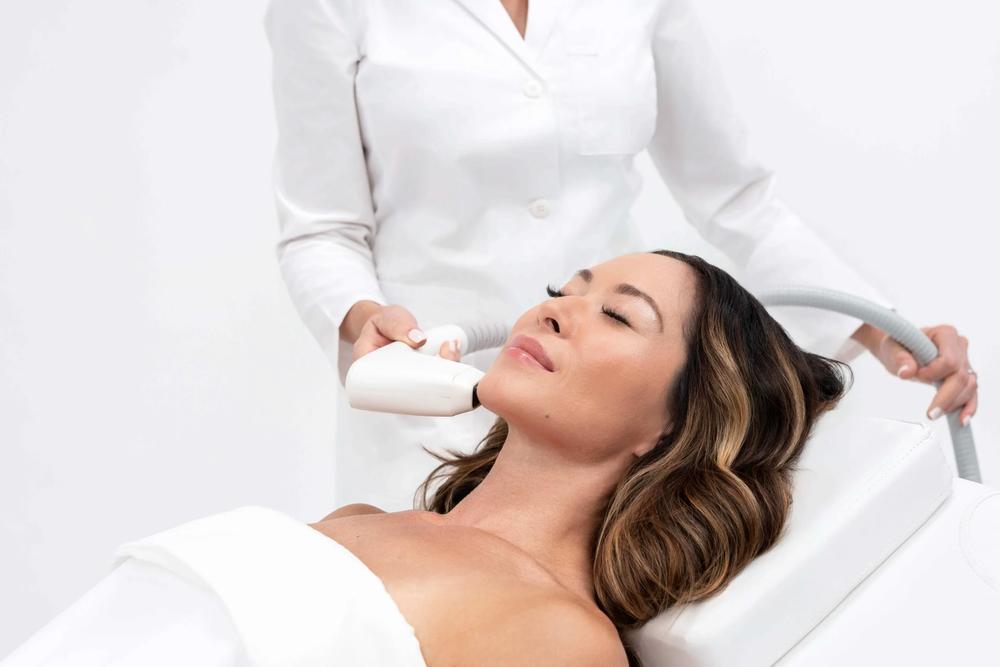
Sofwave uses parallel ultrasound beams to heat the mid-dermis and rebuild collagen in the brow, under the chin and along the neck. Here is what it changes, what it cannot do, how it compares with Ultherapy, RF microneedling and thread lifts, and who tends to benefit.
 Oct 2026
Jawline and Nose: What a Wrinkle Relaxer Can and Cannot Reshape
Searches for nose slimming injections and a diamond jawline usually lead to the same product: a neuromodulator. Here is what it changes at the masseter, the nose and the chin, what it leaves untouched, and how it compares with filler and threads.
 Aug 2026
Cat Eye and Fox Eye Thread Lifts: What They Change and Who They Suit
Cat eye and fox eye thread lifts reposition the outer brow and eye with dissolvable PDO threads. Here is what each one changes, who suits it, how long it lasts and what to expect.
 Sep 2025
Discover the Ultimate Non-Surgical Facelift in Montreal
✨ The Future of Beauty: Non-Surgical Facelift We are proud to offer a revolutionary approach to facial…
 Mar 2025
The Ultimate Non-Surgical Facelift at Ideal Body Clinic
In the ever-evolving world of beauty and wellness, achieving a youthful, radiant appearance no longer…
- Sep 2023
"Non-Surgical Facelift with SOFWAVE: Turn Back the Clock at Ideal Body Clinic in Montreal"
Do you dream of a more youthful and lifted appearance without the need for surgery? SOFWAVE, available at…
- Jul 2020
Thread lifting
As we age, our facial structure loses facial fat and loose and sagging skin is more visible. The most…
Other treatments for similar concerns

Available at all three clinics
- 01
Monkland
6000 Avenue Monkland, Montreal
- 02
Sherbrooke
5500 Rue Sherbrooke Est, Montreal
- 03
Châteauguay
50 Boulevard d'Anjou, Châteauguay
Book, or ask us first
Book now
Meet one of our physicians to plan the areas and the dose.
Results vary from person to person and are not guaranteed.