Blog
2026 · 3 min read
Microneedling or CO2 Laser for Acne Scars: Which One Do You Need?
Shallow acne scars usually respond to microneedling in 3 to 6 sessions; deep pitted scars call for CO2 laser in 1 to 3. How to tell which one fits your skin.
Key facts
- Microneedling suits shallow acne scars and texture, over 3 to 6 sessions.
- CO2 laser resurfacing reaches the deepest pitted and rolling scars, over 1 to 3 sessions.
- Microneedling asks for about a day of redness; a deep CO2 pass asks for about a week.
- Both keep improving for 3 to 6 months as new collagen forms.
- Isotretinoin must be finished before either treatment, and at least six months before CO2.
Shallow acne scars and rough texture usually respond to microneedling, over 3 to 6 sessions with about a day of redness each time. Deeper pitted and rolling scars call for CO2 laser resurfacing, over 1 to 3 sessions with about a week of recovery.
Both treatments ask the skin to build new collagen, and both keep improving for 3 to 6 months. They differ in how deep they reach and how much recovery they ask for. Here is how to tell which one fits your scars.
How do I know if my acne scars are shallow or deep?
Look at your skin in side light, from a window or a lamp beside you.
- Uneven texture, enlarged pores and soft, shallow dips that look better in flat light are shallow scarring.
- Pitted marks that keep their shadow from every angle, and wide rolling dips, are deeper scarring.
Most people have a mix. Your clinician confirms the type at the consultation, because the depth decides the plan.
What does microneedling do for acne scars?
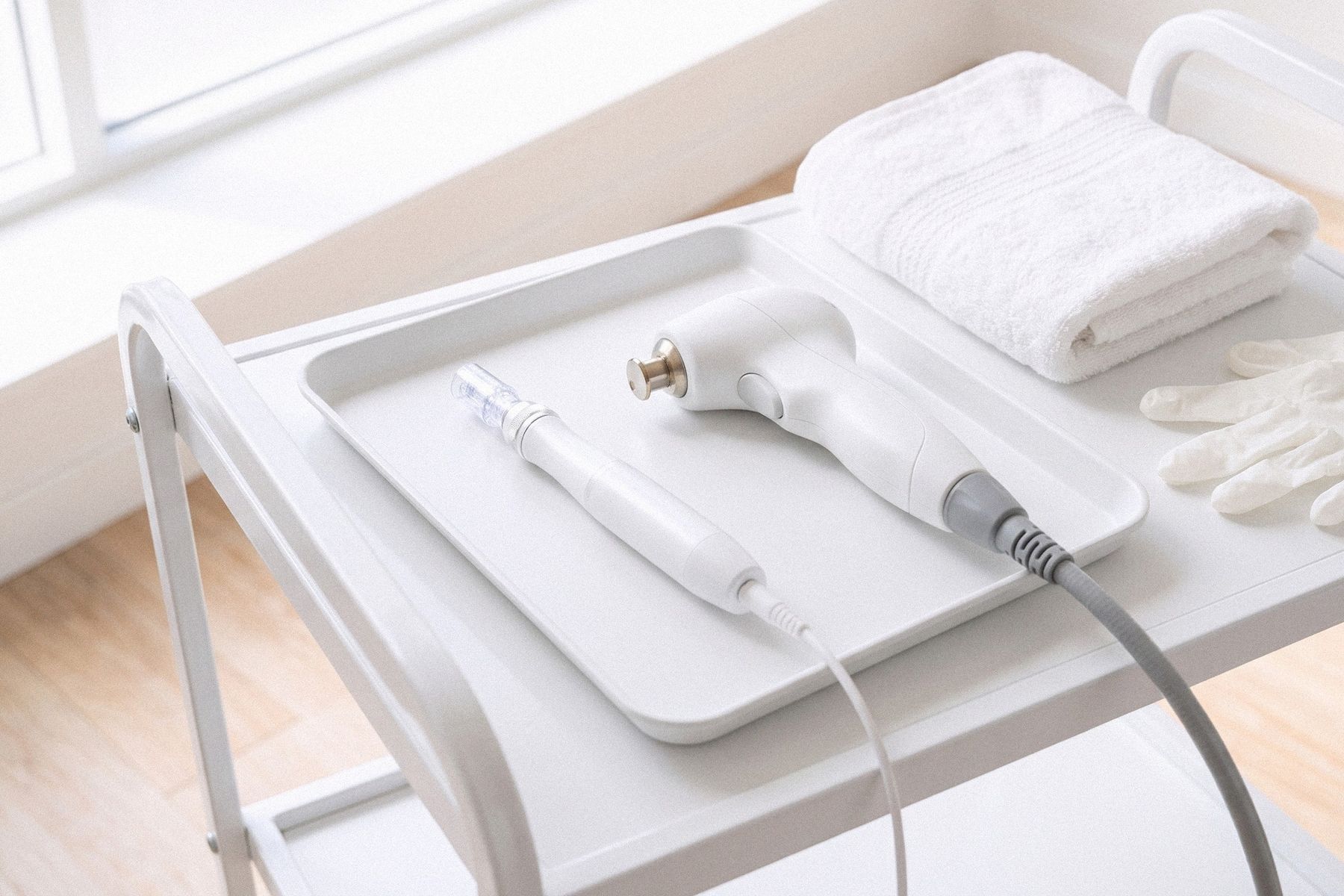
Fine sterile needles make thousands of controlled micro-channels, and the skin answers by building new collagen and elastin. Over a course, the surface becomes smoother, pores look finer and shallow scars soften. Each session takes 30 to 60 minutes, the skin is flushed like a light sunburn for about a day, and you are presentable the next day.
Acne scars usually need more sessions than texture alone, so plan the higher end of the 3 to 6 range, about 4 to 6 weeks apart. See the details on our microneedling page.
What about microneedling with radiofrequency?
Radiofrequency microneedling adds heat at the tip of each needle, which reaches deeper scars and firms the skin. It asks for a few days of redness instead of one. The clinic offers it with Scarlet RF, Profound RF and the Secret PRO platform.
What does CO2 laser resurfacing do for acne scars?
A CO2 laser removes the damaged surface in a grid of tiny columns and heats the collagen underneath, so the skin that grows back is smoother than the skin that came away. It is the deepest resurfacing the clinic offers, which is why pitted and rolling scars are its clearest use. A deeper setting does more per session, so most plans run 1 to 3 sessions, 4 to 6 weeks apart.
The recovery is real: red and swollen for 1 to 3 days, flaking until about day 7, the new surface at 2 to 4 weeks. Read the full timeline in our CO2 recovery guide, or see the CO2 laser resurfacing page.
Microneedling or CO2 laser: how do they compare?
- Depth reached: microneedling suits shallow scars and texture; CO2 reaches the deepest scars.
- Recovery: about a day of redness for microneedling; about a week of redness and flaking after a deep CO2 pass.
- Sessions: 3 to 6 for microneedling; 1 to 3 for CO2.
- Results: both build for 3 to 6 months as new collagen forms.
Can they be combined?
Yes. The Secret PRO platform combines CO2 resurfacing and radiofrequency microneedling in one visit, and your clinician can plan microneedling sessions around a CO2 course. The order is built around your scars and your calendar.
Who should wait before either treatment?
- Anyone who has recently taken isotretinoin, an acne medication. For CO2, the course must have ended at least six months before.
- Anyone with active acne, an infection or a cold sore in the area.
- Anyone pregnant, or with a tendency to keloid scarring.
Deeper skin tones carry a higher risk of pigment change with an ablative laser, so your skin tone and history are assessed first. Sometimes microneedling is the better choice for that reason, and your clinician will say so.
Results vary from person to person and are not guaranteed. Nothing here is medical advice — book a consultation and we will look at your case.
Keep reading
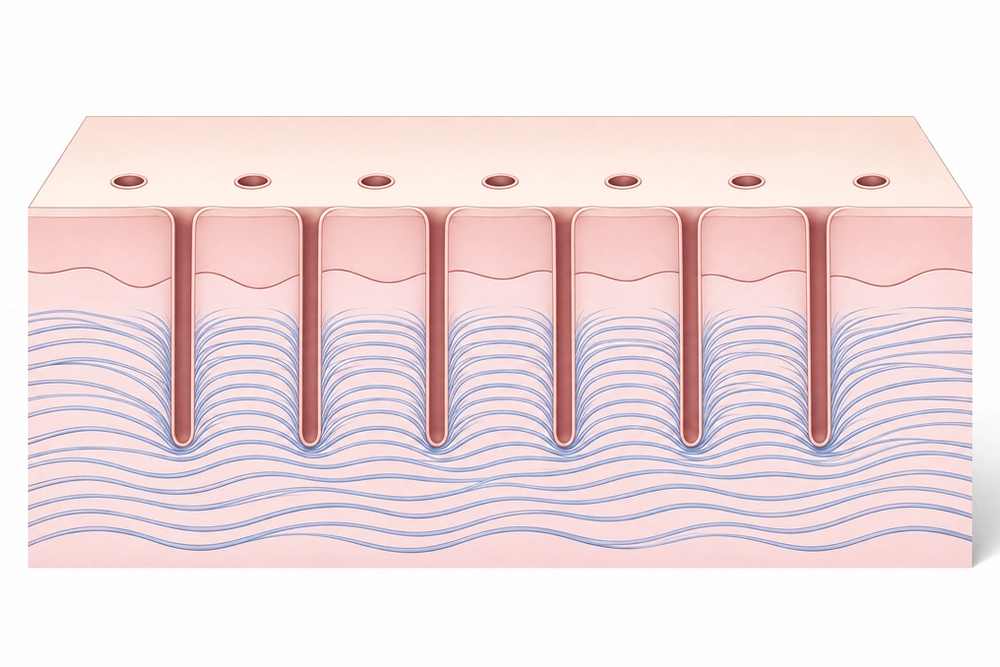
CO2 Laser Resurfacing Recovery: What Happens Day by Day?
Plan about a week after a deep CO2 laser session: redness days 1 to 3, flaking days 3 to 7, a new surface at 2 to 4 weeks. Here is each stage and what to do.
Read
Do You Need a Prescription for IV Therapy?
Yes: at Ideal Body Clinic, IV therapy is given on your own doctor’s prescription, with the formula and the dose. What to ask for, what to bring, and how a session runs.
Read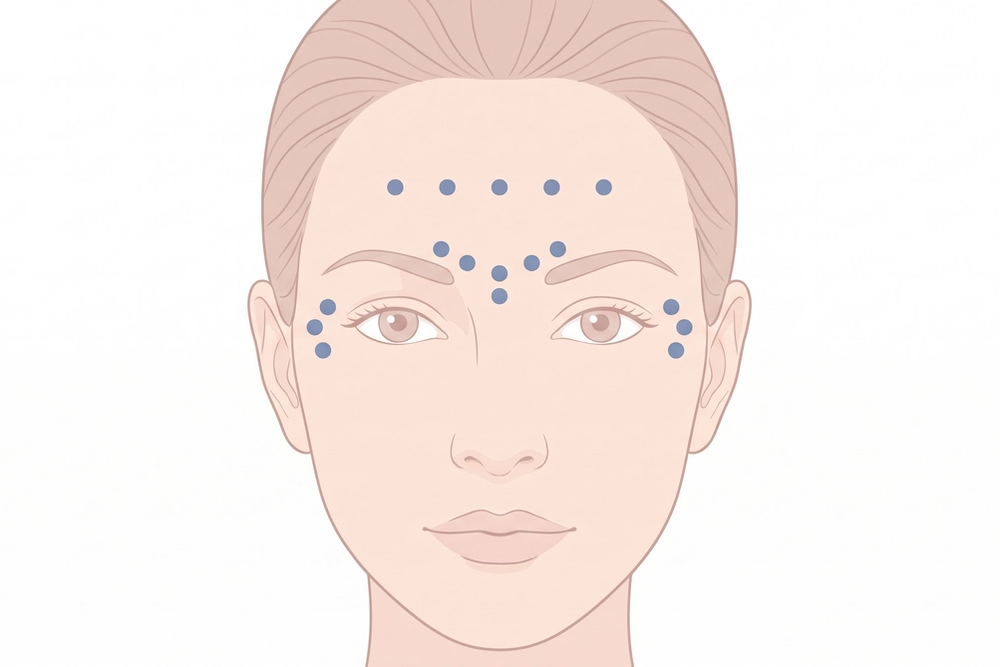
How Many Units of Wrinkle Relaxer Do You Need?
Forehead 10 to 20 units, frown lines 15 to 30, crow’s feet 12 to 24: the usual dose for every area, and why yours may differ.
Read