Blog
2020 · 1 min read
Electrocoagulation
Before you book
This article was published more than six months ago. Any promotion or price mentioned may have expired — check our current promotions or call the clinic to confirm.
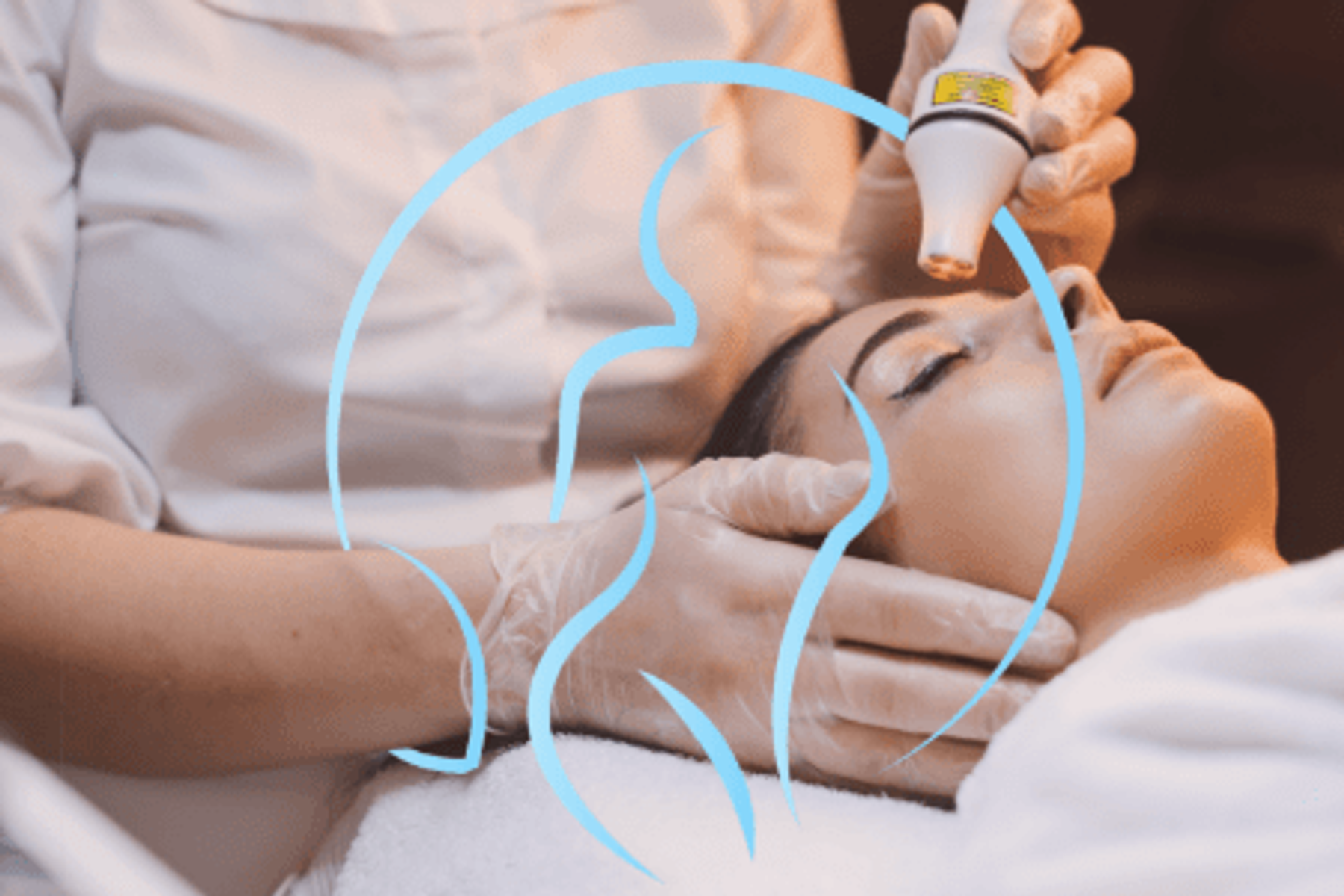
Electrocoagulation is the removal of skin tags, angioma spots and broken capillaries. Electrocoagulation is method of removing various skin lesions, as well as broken capillaries with an electric current. Electrocoagulation procedure is one of the best methods of papillomas, warts, birthmarks, dermatofibromas, keratomas and other non-malignant skin lesions removal, as well as telangiectasias and angiomas removal. Electro coagulation is a method of introducing electrical current and transforming fluids into solid matter. This method effectively destroys: broken facial capillaries (tiny blood vessels), ruby points, skin tags and skin blotches. Once removed, they will never return. Only a slight tingle is experienced. Aside from that, it's virtually painless. This method is very safe and leaves no scars. The treatment does work on everyone except people with certain skin conditions or if you are taking Accutane. Consult with one of our qualified technicians and they'll be happy to assist you.
60$/per zone
Results vary from person to person and are not guaranteed. Nothing here is medical advice — book a consultation and we will look at your case.
Keep reading
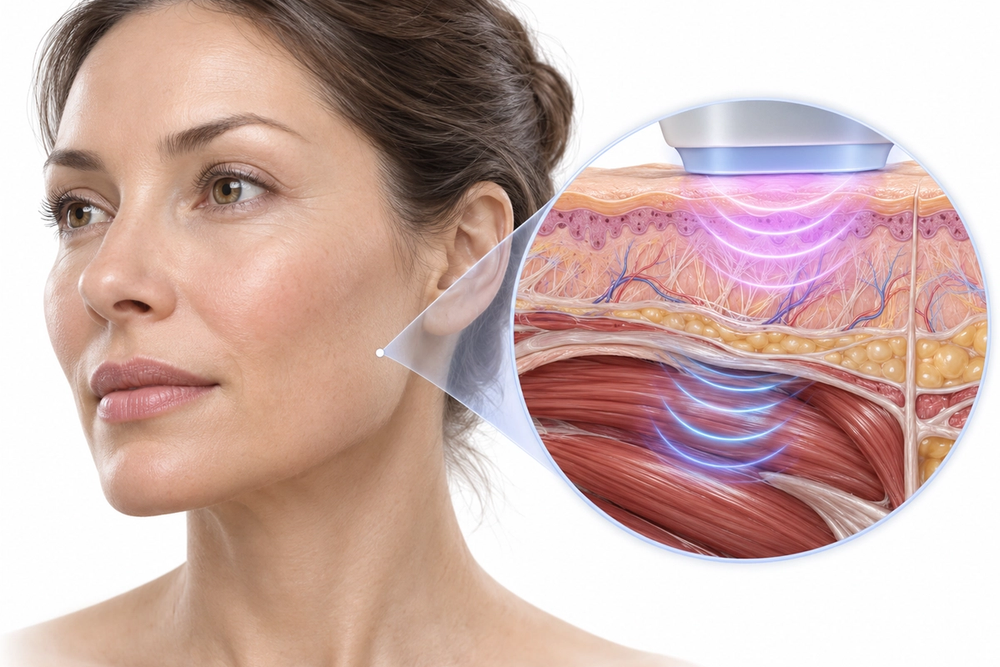
Can TriLift Tighten Your Face Without Surgery in Montreal?
TriLift combines facial muscle stimulation and radiofrequency to improve the appearance of facial tone and firmness. See how sessions, pricing, results and recovery work.
Read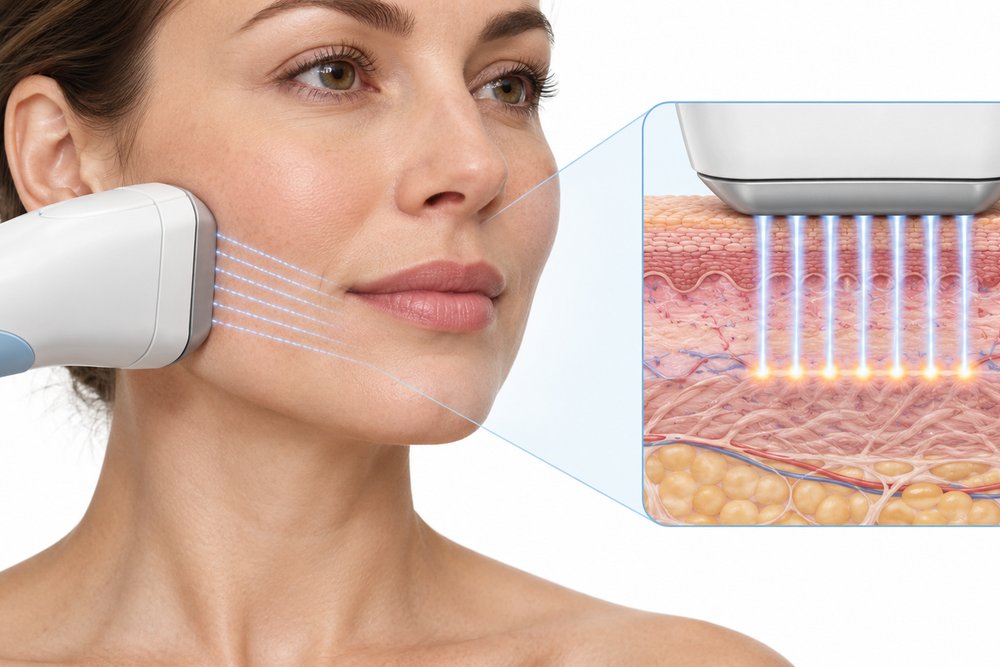
Does Sofwave tighten the face and neck without surgery?
Sofwave can improve mild facial and neck skin laxity without surgery. See how ultrasound treatment works, when results appear, what recovery involves, and Montreal prices.
Read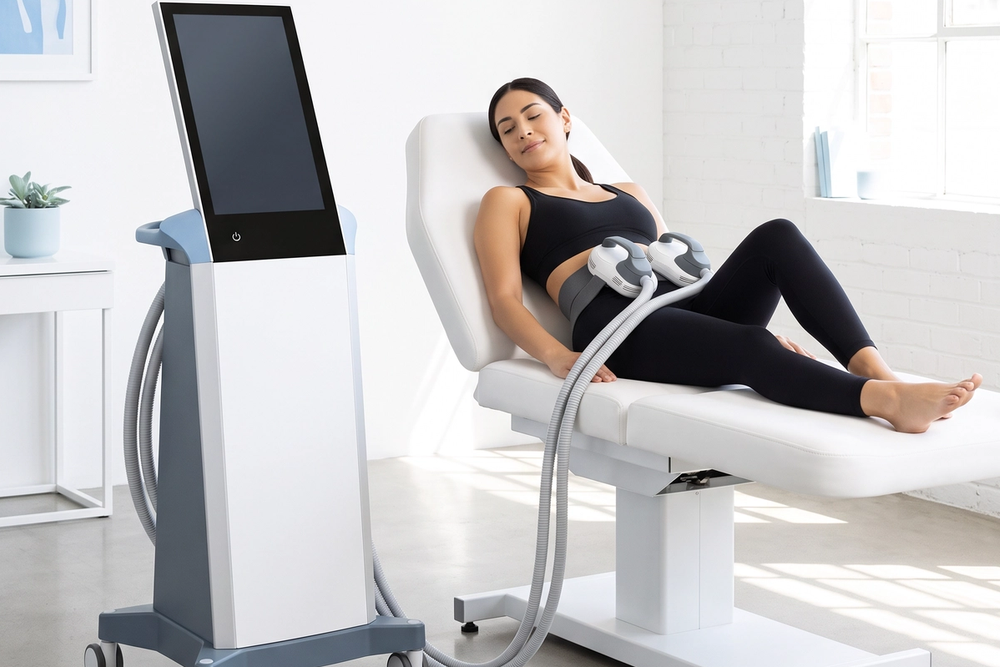
Body Contouring Compared: EMSCULPT NEO, CoolSculpting and Venus Bliss MAX
EMSCULPT NEO, CoolSculpting and Venus Bliss MAX reduce fat by three different mechanisms, and only two of them build muscle. Here is what each one does, which areas it treats, how many sessions to expect and how they combine.
Read