Blog
2026 · 11 min read
Laser Skin Rejuvenation After 40: Which Treatment Is Best?
After 40, the best laser depends on whether you want to treat wrinkles, pigmentation, texture or skin firmness. Compare Fotona 4D, Pico Laser, Laser Genesis and CO2 resurfacing.

Key facts
- After age 40, the choice of laser should be based on the skin concern, phototype and desired recovery period.
- Fotona 4D combines 4 treatment modes using Nd:YAG 1064 nm and Er:YAG 2940 nm laser wavelengths.
- A clinical study of picosecond laser treatment for facial lentigines used up to 3 sessions spaced 4 to 6 weeks apart.
After 40, choose Pico Laser for sun spots, Laser Genesis for gradual skin refinement, Fotona 4D for combined rejuvenation and fractional CO2 laser for more pronounced texture and wrinkles. The right treatment depends on your skin, goals and recovery time.
Why does your skin change after 40?
Your forties can bring visible changes to the skin, even when you have followed a consistent skincare routine.
Fine lines may become more noticeable. Sun spots accumulated over years can appear darker. Skin texture may feel less smooth, and the jawline may begin to lose definition.
These changes are influenced by natural aging, sun exposure, genetics and hormonal changes.
Aging also affects collagen and elastin, two structural components that contribute to the skin's firmness and flexibility.
Laser rejuvenation can target different signs of aging, but no single device corrects every concern equally.
Some treatments target pigment. Others encourage skin remodeling or resurface the outer layers of skin. Understanding the difference helps you choose a procedure that matches your goals.
Which laser treatment is best for skin over 40?
The simplest way to choose is to identify the skin concern you most want to improve.
Main concern
Treatment to consider
Sun spots and uneven pigmentation
Pico Laser
Fine lines, dullness and mild texture changes
Laser Genesis
Early laxity and several signs of facial aging
Fotona 4D
More visible wrinkles, rough texture and acne scars
Fractional CO2 laser
Mild resurfacing without aggressive treatment
Fotona MicroLaser Peel
These are starting points, not universal treatment recommendations. Skin tone, medical history, pigment type and recovery preferences may change the most appropriate option.
Is Pico Laser good for pigmentation and sun spots after 40?
Pico Laser is often worth considering when pigmentation is your main concern.
Picosecond laser technology delivers very short energy pulses that interact with pigment in the skin.
Depending on the wavelength and treatment settings, it may be used for selected benign pigmented lesions, including solar lentigines, commonly called age spots or sun spots.
A randomized clinical study comparing picosecond and Q-switched lasers demonstrated improvement in solar lentigines. The study also documented differences in post-inflammatory pigmentation risk.
PubMed+1
Pico Laser may be appropriate when you notice:
Brown spots on the cheeks or forehead.
Uneven pigmentation associated with sun exposure.
Certain superficial pigmented lesions.
An overall uneven appearance of the complexion.
However, not all brown spots are the same.
Melasma, for example, requires a more cautious treatment strategy because it can worsen or recur after inappropriate laser treatment. Suspicious or changing pigmented lesions require medical assessment before cosmetic treatment.
Pico Laser primarily addresses pigment and selected skin-quality concerns. It is not a replacement for treatments designed to address significant facial laxity.
Can Laser Genesis improve fine lines and skin texture?
Laser Genesis is a non-ablative treatment approach commonly associated with 1064 nm Nd:YAG laser technology.
Unlike ablative resurfacing, it does not intentionally remove the outer skin surface.
Non-ablative Nd:YAG laser studies have shown improvements in certain signs of photoaging, including wrinkles, skin texture and elasticity. Improvements are generally gradual and depend on the treatment protocol.
PubMed+1
Laser Genesis may be a useful option for patients who are beginning to notice subtle changes but are not ready for more intensive resurfacing.
It is particularly worth discussing when your priorities include smoother-looking skin, fine lines and maintaining skin quality with limited disruption to your routine.
Results are generally more modest than the changes sought with aggressive resurfacing. Multiple sessions may be recommended, depending on the assessment.
Is Fotona 4D a good option for facial rejuvenation after 40?
Fotona 4D is designed to address several aspects of facial aging through a combination of laser modes.
The platform uses two laser wavelengths, Nd:YAG 1064 nm and Er:YAG 2940 nm, delivered through complementary treatment stages.
According to the manufacturer, Fotona 4D combines four treatment modes:
SMOOTH for controlled thermal treatment of selected tissue areas.
FRAC3 for skin imperfections and rejuvenation.
PIANO for deeper thermal treatment.
SupErficial for controlled superficial skin finishing.
The combination is intended to address both surface appearance and some aspects of skin firmness.
Fotona
Patients may consider Fotona 4D when their concerns involve more than pigmentation alone, such as fine lines, texture and early loss of firmness.
An important distinction is that Fotona 4D does not replace a surgical facelift or restore substantial lost facial volume.
If you are looking for a multidimensional approach, explore Fotona laser rejuvenation treatments in Montreal.
When should you choose fractional CO2 laser resurfacing?
Fractional CO2 laser resurfacing is generally considered when changes to the skin surface are more noticeable.
Common reasons to consider it include deeper lines, significant roughness, visible photoaging and selected acne scars.
Fractional CO2 technology creates controlled microscopic treatment zones, stimulating repair and remodeling while leaving surrounding areas untreated.
Studies support improvement in photoaged skin, although results and adverse effects vary according to the laser, treatment settings and individual patient characteristics.
PubMed+2
Fractional CO2 is more intensive than many non-ablative laser treatments.
Redness, swelling, crusting, temporary changes in pigmentation and a period of skin recovery may occur. Less common complications include infection, prolonged redness or scarring.
At Ideal Body Clinic, Secret PRO CO2 laser and RF microneedling treatments provide options for addressing skin texture and signs of aging.
The CO2 resurfacing component and RF microneedling component are different modalities. Your treatment plan should specify which one is being recommended and why.
What is the difference between Fotona MicroLaser Peel and CO2 resurfacing?
Both procedures involve resurfacing, but they do not necessarily create the same treatment depth or recovery experience.
Fotona MicroLaser Peel uses Er:YAG technology to remove controlled superficial layers of skin.
It may be considered when the main goal is to improve surface texture rather than address more pronounced wrinkles.
Fractional CO2 resurfacing generally creates microscopic columns of ablative injury and can be selected for more intensive treatment of visible photoaging.
Research comparing ablative and non-ablative laser approaches has found that outcomes depend on the device and clinical protocol. More intensive treatment does not automatically mean a better choice for every patient.
PubMed+1
A consultation helps determine whether a lighter resurfacing procedure is sufficient or whether a more intensive option may be appropriate.
What if loose skin is your main concern after 40?
Laser treatments can improve aspects of skin quality and mild laxity, but they have limits.
A person whose primary concern is loose skin around the jawline or neck may not get the result they want from pigment treatment or superficial resurfacing alone.
In these situations, energy-based tightening treatments may be considered alongside or instead of a laser procedure.
For example, Sofwave skin tightening in Montreal uses ultrasound technology rather than laser energy.
Other technologies may also address selected aspects of facial firmness.
The correct choice depends on whether the main issue is skin laxity, volume loss, surface damage or a combination of concerns.
How many laser sessions will I need after 40?
There is no standard number of sessions for every patient.
A clinical study of picosecond laser treatment for facial lentigines used up to three sessions at intervals of 4 to 6 weeks. Research into long-pulsed Nd:YAG rejuvenation has evaluated three sessions approximately four weeks apart. Fractional CO2 studies have also examined courses of two to three treatments.
PubMed+2
These are examples from research, not fixed schedules for every laser or patient.
Your recommended number of sessions depends on the starting condition of your skin, your response and the treatment settings chosen by the provider.
A realistic plan should discuss both the initial treatment course and whether future maintenance may be useful.
Which laser has the least downtime?
Non-ablative treatment approaches are generally associated with less visible recovery than more intensive ablative resurfacing.
However, downtime cannot be predicted based only on a device name.
Treatment
General recovery considerations
Laser Genesis
Often selected when minimal visible recovery is a priority
Pico Laser
Temporary redness, pigment darkening or crusting may occur
Fotona 4D
Depends on the modes and settings used
MicroLaser Peel
Visible healing depends on resurfacing depth
Fractional CO2
Usually involves more noticeable redness and skin recovery
These distinctions are supported by clinical literature on non-ablative and ablative rejuvenation, including reports of pigment changes and other complications.
PubMed+2
If you have an upcoming event, the expected healing period should be part of the consultation.
Can darker skin tones receive laser rejuvenation?
Yes, but the choice of laser and settings requires particular attention.
Some treatments carry a greater risk of post-inflammatory hyperpigmentation, especially in patients who are prone to pigment changes.
Research involving picosecond lasers in darker skin types has shown promising results, while also documenting episodes of pigmentation changes after treatment.
PubMed+1
Your provider should assess your skin phototype, pigmentation history, recent tanning, medications and previous reactions before recommending treatment.
A procedure that works well for one patient may not be the safest or most effective choice for another.
Can you combine different rejuvenation treatments after 40?
Combination treatment may be useful when several concerns are present, but more treatments do not always mean better results.
For example, pigment correction and skin tightening target different concerns. Some patients may benefit from a staged plan rather than expecting one device to do everything.
The order and spacing of treatments should be determined clinically to avoid unnecessary irritation or overlapping injury.
Patients considering additional options can review the full range of aesthetic treatments at Ideal Body Clinic before discussing a personalized plan.
How do you choose the right laser for your skin?
At 40, 50 or 60, the most effective treatment is not necessarily the strongest laser.
It is the treatment that matches your particular skin concerns, medical history and expectations.
If pigmentation is your main concern, begin by discussing pigment-targeting options. If you want gradual refinement, non-ablative treatment may be more suitable. If wrinkles and texture are more pronounced, resurfacing may be worth considering.
A professional assessment helps establish realistic goals, an appropriate treatment sequence and a recovery plan.
Healthy-looking skin after 40 is not about correcting every line. It is about choosing care that fits your skin and your life.
Results vary from person to person and are not guaranteed. Nothing here is medical advice — book a consultation and we will look at your case.
Keep reading

Can Fotona 4D Rejuvenate Your Face Without Surgery?
Fotona 4D combines four laser steps to improve facial firmness, fine lines and skin texture without surgery. Discover how it works, expected results, recovery and treatment costs.
Read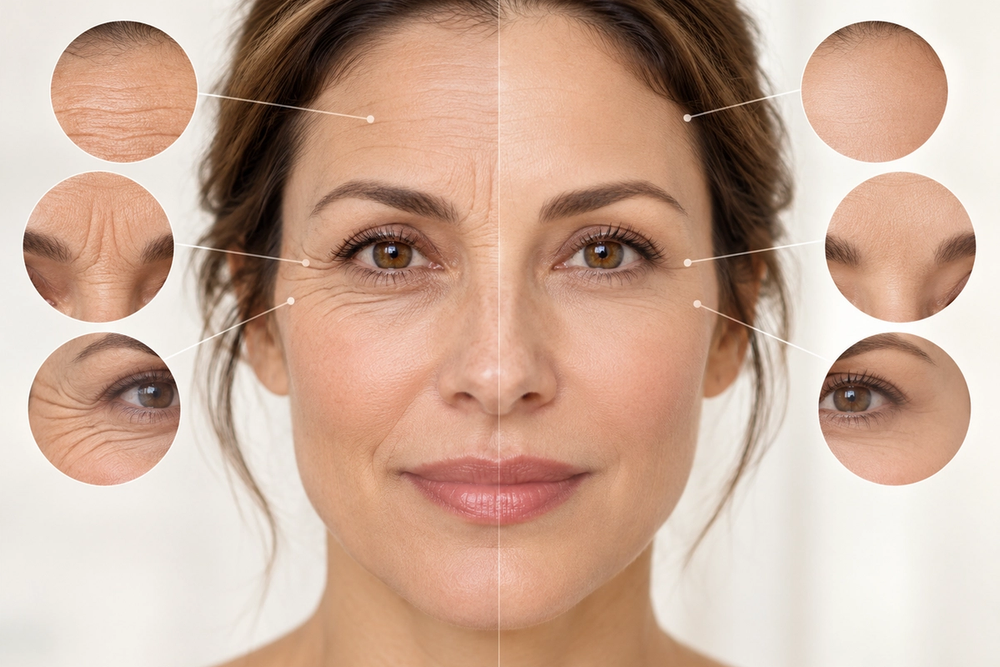
Preventative Botox: When Should You Start?
There is no perfect age to start preventative Botox. Discover when early expression lines may justify treatment, how it works, and what to consider in your 20s and 30s.
Read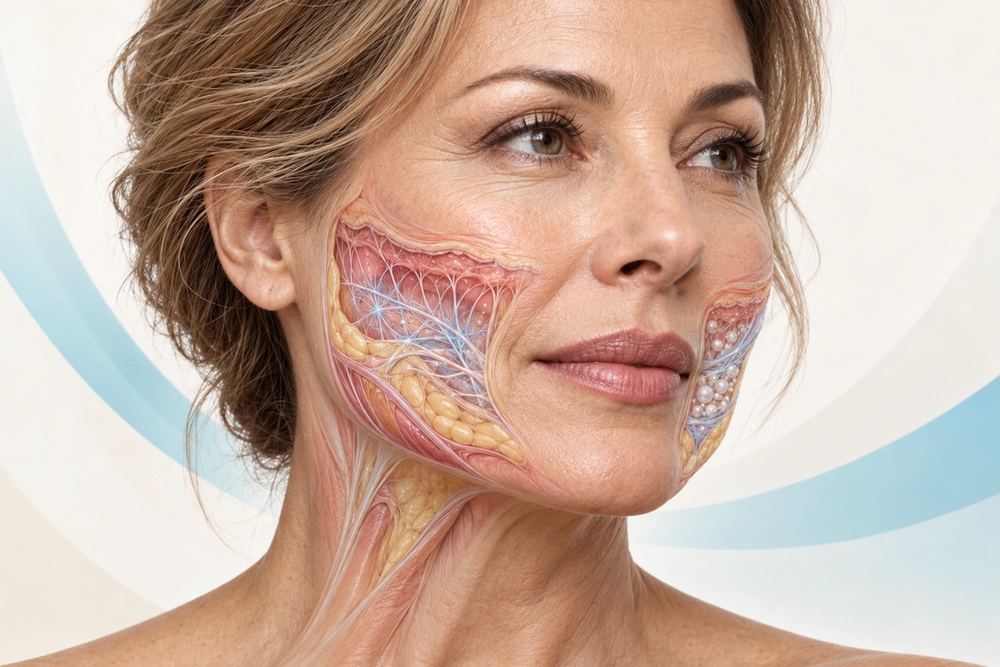
Sculptra vs. Radiesse: Which Collagen Stimulator Is Best?
Sculptra gradually rebuilds collagen, while Radiesse provides immediate contouring support and collagen stimulation. Compare results, longevity, treatment areas, and safety.
Read