Blog
2026 · 12 min read
Preventative Botox: When Should You Start?
There is no perfect age to start preventative Botox. Discover when early expression lines may justify treatment, how it works, and what to consider in your 20s and 30s.
Key facts
- There is no medically established age, such as 25 or 30, when adults must begin preventative Botox.
- Botox Cosmetic typically reduces facial muscle activity for approximately 3 to 4 months.
- A 2025 systematic review found promising but insufficient long-term evidence that early Botox treatment prevents persistent expression wrinkles.
There is no fixed age to start preventative Botox. Some adults consider treatment in their late 20s or early 30s, but age alone is not a reason to begin. Early expression lines, facial muscle activity, and individual goals matter more.
Preventative Botox is most relevant to adults who are beginning to notice expression lines that linger after their face relaxes. Starting injections before any visible concern develops is not necessary.
What is preventative Botox, and how does it work?
Preventative Botox refers to using botulinum toxin injections to soften repetitive facial movements before expression lines become deeply established.
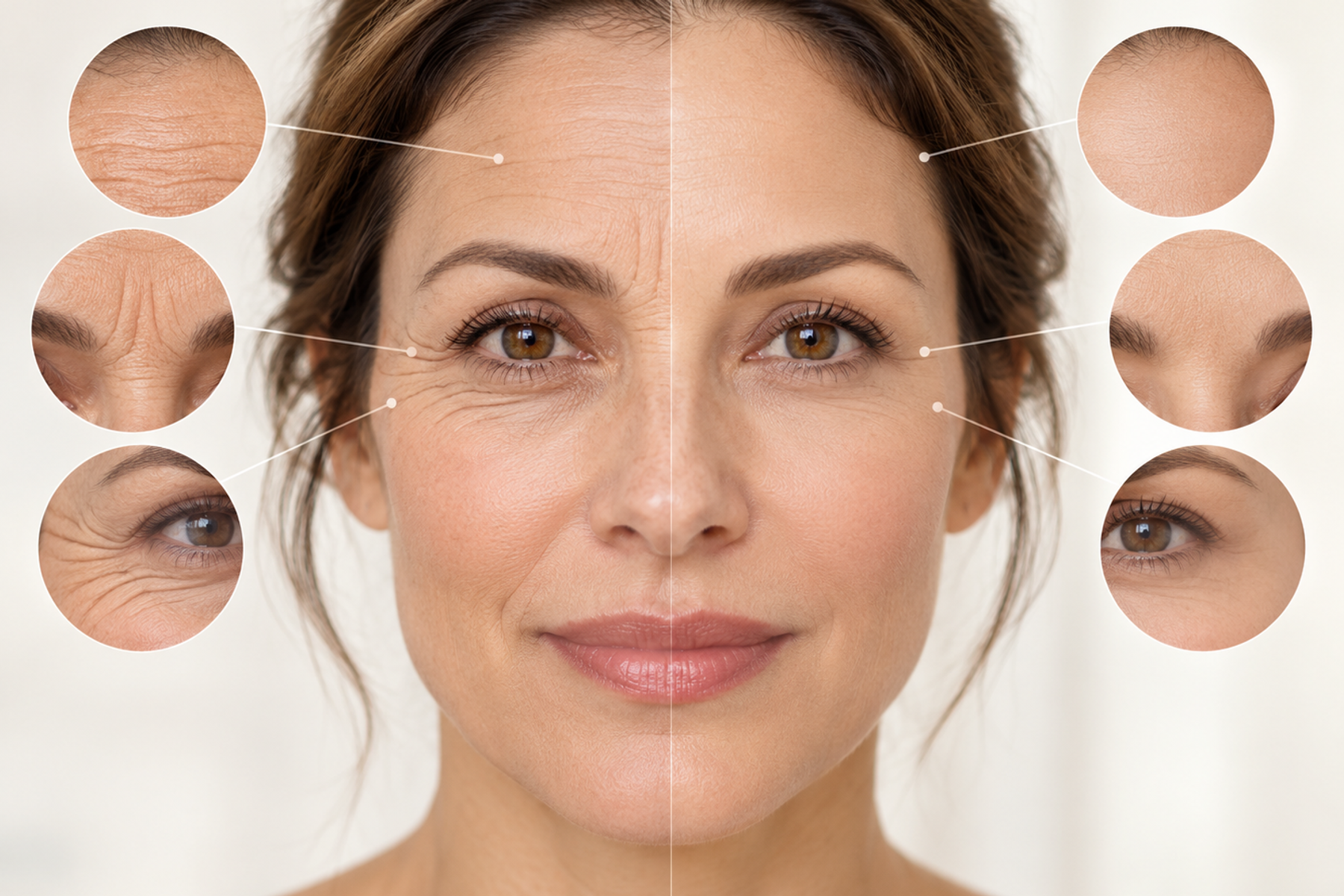
Every time you smile, frown, squint, or raise your eyebrows, facial muscles contract. These movements temporarily fold the skin.
When you are younger, the skin often returns to its original appearance after the muscles relax. Over time, some of these temporary lines can become more persistent.
Botox works by temporarily reducing the nerve signals that cause targeted muscles to contract.
When these muscles contract less forcefully, the skin above them experiences less repetitive folding.
The purpose of preventative treatment is not to eliminate facial expressions. It is to reduce selected movements that contribute to visible wrinkles.
Research suggests that this approach may help delay the development of certain expression lines. However, scientific evidence does not yet establish that starting Botox early guarantees fewer wrinkles decades later.
For patients interested in treatment options, Botox injections in Montreal can be discussed during an individualized consultation.
PubMed+1
At what age should you start preventative Botox?
There is no universally recommended starting age.
Some adults consider injections in their mid-to-late 20s, while others first seek treatment in their 30s, 40s, or later.
The more useful question is whether your expression lines are beginning to remain visible when your face is relaxed.
Age provides context, but it does not determine whether treatment is appropriate.
Is Botox necessary in your early 20s?
For most people without established expression lines, preventative injections are not medically necessary.
A person in their early 20s may have smooth skin at rest despite expressive facial movements.
In that situation, there may be little reason to begin regular cosmetic injections.
A consistent skincare routine, sun protection, and avoiding smoking remain important measures for protecting skin health.
Should you start Botox at 25?
Twenty-five is not a medical milestone for Botox.
Some people notice early forehead creases or frown lines around this age. Others show very few changes.
If lines appear only during expressions and disappear completely afterward, treatment may not be needed.
If noticeable creases begin to linger, a consultation can help determine whether treatment is worthwhile.
Is 30 a good age to start Botox?
The early 30s are a common period for people to begin considering preventative Botox.
At this stage, some expression lines may become more noticeable, particularly between the eyebrows, across the forehead, or near the outer corners of the eyes.
However, a person who has no bothersome wrinkles at 30 does not need Botox simply because of their birthday.
Starting treatment should remain a personal, informed choice.
Is it too late to start Botox at 40?
No.
Botox can reduce the appearance of certain existing expression lines in appropriately selected adults.
More established lines may respond differently from lines that appear only during movement. They may not disappear completely when muscle activity is reduced.
The goal may therefore shift from early prevention to softening visible wrinkles.
A consultation helps establish realistic expectations.
PubMed+2
How can you tell if your wrinkles are ready for preventative Botox?
A useful distinction is whether a line appears only during facial movement or remains visible afterward.
What are dynamic wrinkles?
Dynamic wrinkles are lines that appear when facial muscles contract.
Examples include:
Horizontal forehead lines when raising your eyebrows
Vertical frown lines between your eyebrows
Crow's feet when smiling or squinting
These wrinkles may disappear when the face relaxes.
Botox is particularly effective at reducing expression-related lines because it acts directly on the underlying muscle activity.
What are static wrinkles?
Static wrinkles remain visible even when facial muscles are relaxed.
They can develop as repetitive facial movements interact with changes in collagen, skin elasticity, and other aspects of aging.
Botox may improve some static expression lines by reducing the movement that contributes to them.
However, deeply established lines may require a different or additional approach.
Preventative treatment is generally considered before expression lines become pronounced at rest.
Not every visible line needs treatment. Facial anatomy, skin condition, and individual preferences should guide the decision.
PubMed+1
Which facial areas benefit most from preventative Botox?
Preventative Botox is usually discussed in areas where repeated muscle movements contribute to expression lines.
Facial area
Common concern
Movement involved
Forehead
Horizontal forehead lines
Raising the eyebrows
Between eyebrows
Frown lines or 11 lines
Frowning
Around eyes
Crow's feet
Smiling and squinting
The forehead and frown lines are common concerns because repetitive expressions can produce visible creasing.
The area around the eyes may also be considered when fine lines are becoming noticeable.
However, Botox does not treat every type of wrinkle.
For example, lines associated primarily with volume loss or changes in skin texture may not respond to muscle-relaxing injections in the same way.
Someone experiencing changes in facial volume may wish to discuss hyaluronic acid fillers rather than relying on Botox alone.
The appropriate injection sites, product, and dosing must be determined by a qualified professional.
Canada+1
Does preventative Botox really prevent wrinkles?
Preventative Botox has a plausible biological mechanism, but its long-term preventive benefits are not fully established.
A 2025 systematic review examined research on the use of botulinum toxin to delay visible facial aging.
The authors found evidence suggesting that earlier treatment may reduce excessive muscle activity and potentially slow the development of some expression lines.
However, the available studies were heterogeneous, and stronger long-term research is necessary.
This distinction matters.
Botox has substantial clinical evidence supporting the temporary reduction of existing facial expression lines. Evidence that beginning injections at a younger age changes the overall course of facial aging is less certain.
A Cochrane review involving 65 studies and 14,919 participants found that botulinum toxin reduced glabellar frown lines compared with placebo.
Most trials assessed shorter-term treatment results rather than decades of prevention.
Therefore, the most reasonable expectation is that Botox can temporarily soften certain expression lines and may help limit repetitive creasing while its effects are active.
It should not be presented as a way to stop aging.
PubMed+1
What is the difference between preventative Botox and Baby Botox?
The terms are related, but they do not mean exactly the same thing.
Preventative Botox describes the treatment objective: addressing early expression lines before they become more established.
Baby Botox is an informal term often used to describe a more conservative injection approach involving relatively small amounts of botulinum toxin.
A patient receiving preventative Botox does not automatically need Baby Botox.
Similarly, a patient who wants subtle results is not necessarily receiving treatment for prevention.
The appropriate dose depends on muscle strength, facial anatomy, treatment area, and the specific product.
Using less Botox does not automatically make treatment safer or more effective.
Insufficient dosing may produce limited results, while inappropriate placement can affect facial expression.
The objective should be balanced movement and a result that aligns with the patient's preferences.
Oxford Academic+1
How often should you get preventative Botox?
Botox Cosmetic generally produces effects lasting approximately 3 to 4 months, according to Health Canada.
However, the duration varies by individual.
Some people notice muscle activity returning sooner, while others maintain the effect longer.
A preventative approach does not mean scheduling injections automatically every three months.
The need for additional treatment should be reassessed based on muscle movement, clinical response, and the patient's goals.
Receiving more frequent injections does not necessarily improve long-term prevention.
Health Canada advises following the Canadian product monograph and avoiding Botox Cosmetic treatment more frequently than its recommended minimum interval.
Your treating professional should determine when, or whether, another appointment is appropriate.
Canada+1
Is preventative Botox safe in your 20s and 30s?
Botox Cosmetic is an established prescription treatment, but cosmetic injections still carry risks.
Common temporary reactions include:
Tenderness or discomfort at injection sites
Small bruises or swelling
Headache
Other complications can include eyelid or eyebrow drooping, unwanted facial asymmetry, or localized muscle weakness.
Rarely, botulinum toxin effects may spread beyond the injection area and cause serious symptoms, including difficulty swallowing, speaking, or breathing.
These symptoms require immediate medical attention.
Botox should not be administered to patients with certain contraindications, including known hypersensitivity to the product or infection at the proposed injection site.
Additional precautions apply to individuals with certain neuromuscular disorders and other medical conditions.
People who are pregnant or breastfeeding should discuss the limited safety information with their healthcare professional; elective cosmetic treatment is generally deferred.
A medical assessment is particularly important for younger adults considering long-term repeated treatment.
Health Canada recommends receiving injections from qualified healthcare professionals and understanding the risks before proceeding.
Canada+2
Can you prevent wrinkles without starting Botox?
Yes. Botox is optional, and it is not the only approach to wrinkle prevention.
Sun exposure plays a major role in skin aging.
Health Canada identifies excessive sun exposure as an important contributor to wrinkles, dryness, and other skin changes.
A daily broad-spectrum sunscreen, limiting excessive ultraviolet exposure, avoiding smoking, and maintaining an appropriate skincare routine are reasonable starting points.
For some patients, improving skin quality may be more relevant than reducing muscle movement.
Patients concerned about skin texture or early aging changes can also explore facial rejuvenation treatments.
Depending on the primary concern, treatment options may involve skincare, energy-based devices, or other approaches rather than injectables.
For example, Sofwave skin tightening addresses skin firmness through a different mechanism from Botox.
A personalized assessment can help distinguish expression lines from skin laxity and other concerns.
Canada+1
How much does preventative Botox cost in Montreal?
Botox pricing usually depends on the number of units used and the areas being treated.
Ideal Body Clinic Botox price: [PRICE — CONFIRM WITH CLINIC]
A smaller treatment area does not always require the same quantity of product from one patient to another.
Someone with stronger facial muscles may require a different treatment plan from a person with less muscle activity.
It is also important to consider the potential cost of maintenance appointments over time.
A consultation should explain the proposed treatment, estimated units, pricing, and follow-up approach before injections begin.
The goal is to select an appropriate treatment, not simply to use the lowest possible number of units.
So, when should you start preventative Botox?
The best time to consider preventative Botox is when early expression lines are becoming noticeable and you would personally like to address them.
For some adults, that may be in their late 20s. For others, it may be during their 30s, 40s, or later.
There is no medical requirement to begin Botox at 25, 30, or any particular age.
At Ideal Body Clinic, the focus is on understanding your facial anatomy, evaluating your concerns, and creating an individualized treatment plan.
Start when there is a reason that matters to you, not because a particular birthday or social media trend tells you it is time.
Results vary from person to person and are not guaranteed. Nothing here is medical advice — book a consultation and we will look at your case.
Keep reading
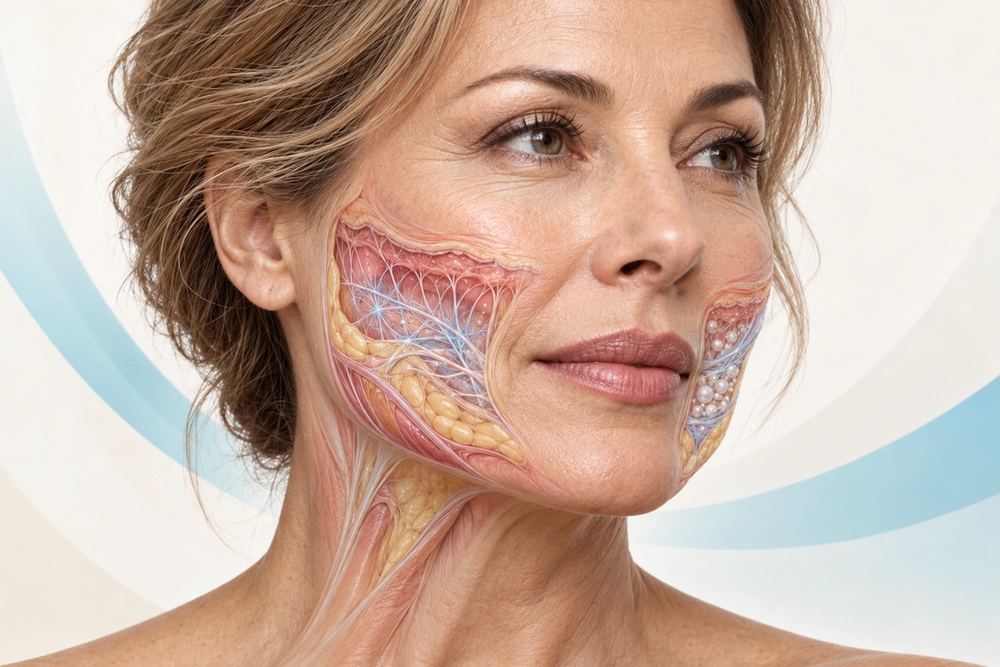
Sculptra vs. Radiesse: Which Collagen Stimulator Is Best?
Sculptra gradually rebuilds collagen, while Radiesse provides immediate contouring support and collagen stimulation. Compare results, longevity, treatment areas, and safety.
Read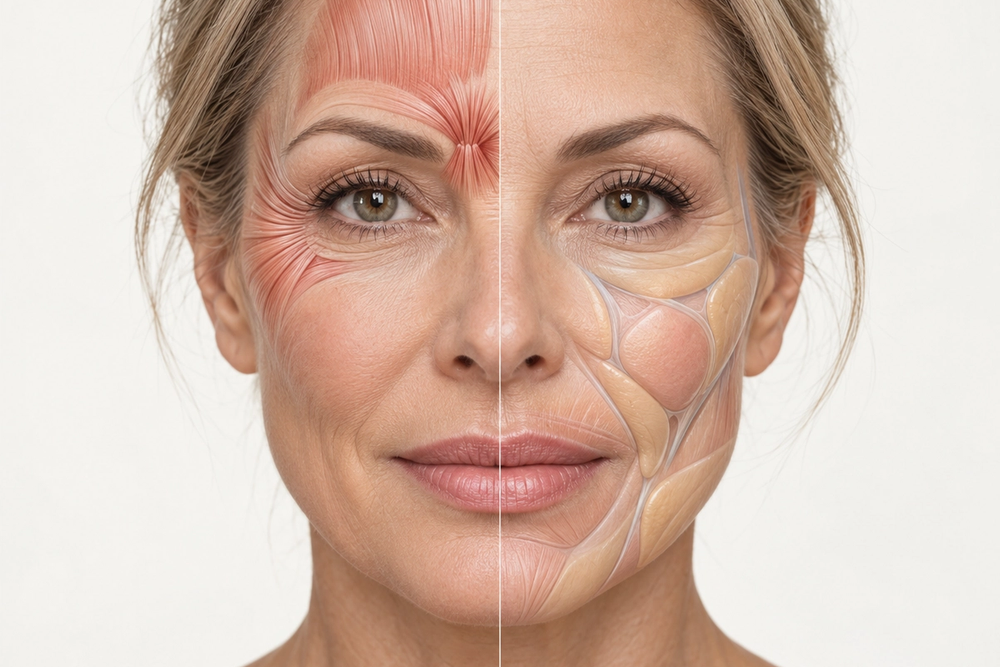
Botox vs. Dermal Fillers: What Is the Difference?
Botox relaxes facial muscles to soften expression lines, while dermal fillers restore volume and enhance contours. Compare results, longevity, prices, and treatment options.
Read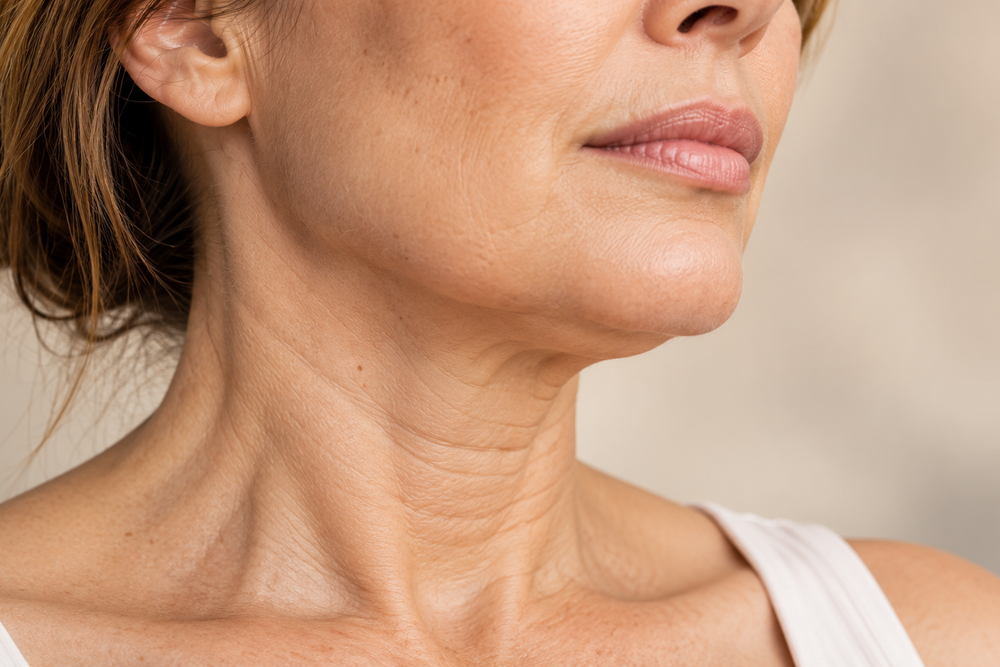
How Can You Improve Neck Wrinkles and a Double Chin?
Neck wrinkles, sagging skin and a double chin can improve with treatments targeting collagen, skin laxity or excess fat. Discover which options work for each concern in Montreal.
Read