Blog
2026 · 8 min read
Is Laser Tattoo Removal Safe for Darker Skin?
Laser tattoo removal can be performed on darker skin when the wavelength and settings are chosen carefully. Here is what to know about safety, pigment changes, sessions, and aftercare.
Key facts
- Cutera indicates the enlighten III 1064 nm wavelength for dark tattoo inks in Fitzpatrick skin types I to VI.
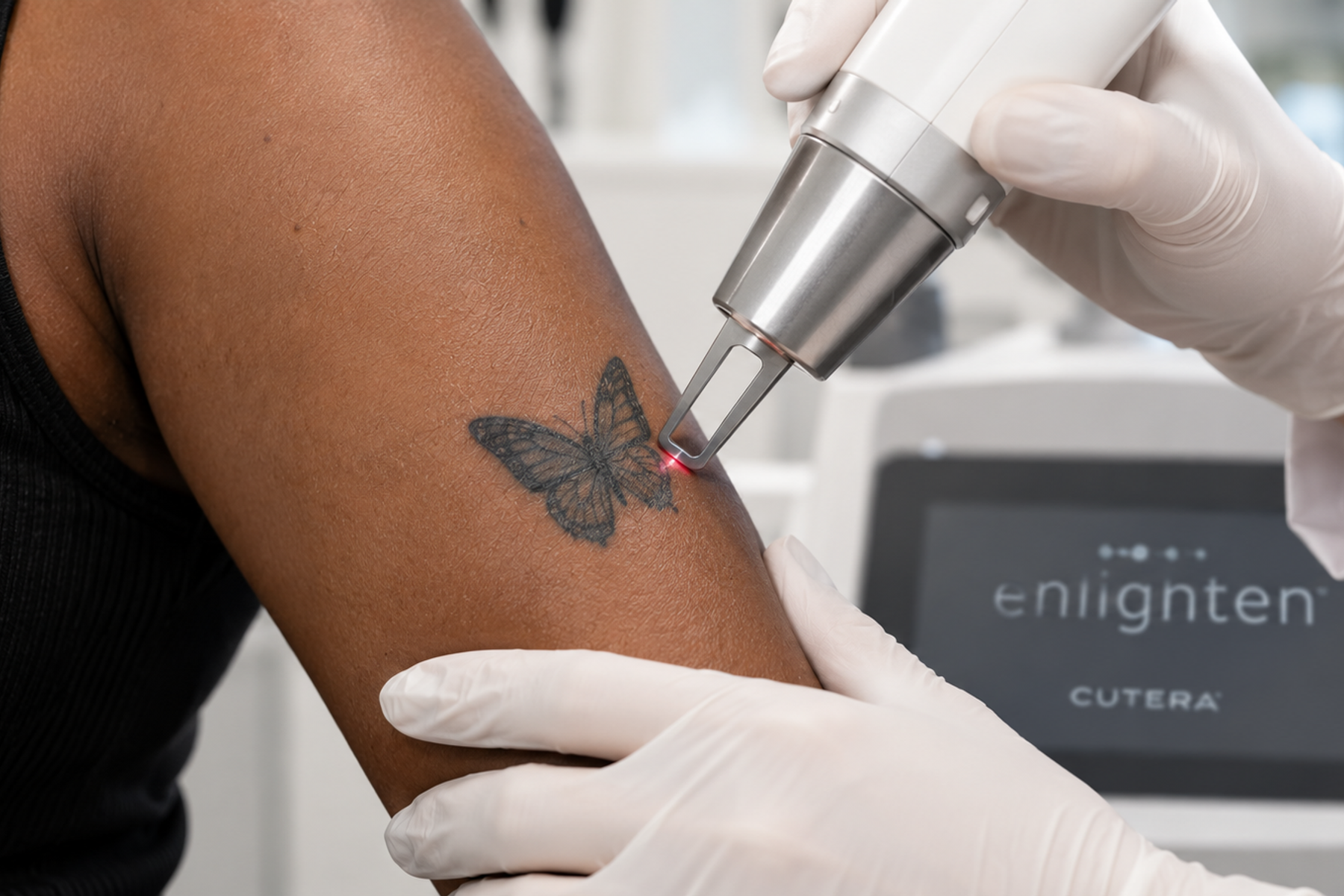
Laser tattoo removal can be performed on darker skin, including Fitzpatrick skin types IV to VI. For dark tattoo ink, a 1064 nm wavelength is particularly relevant because Cutera’s enlighten III indicates it for tattoo removal across Fitzpatrick skin types I to VI.
The important difference is that darker skin contains more melanin. Laser settings, wavelength selection, tattoo colour and the individual tendency toward pigment changes therefore need careful consideration before treatment.
Can you remove a tattoo from dark or Black skin?
Yes. Having darker skin does not automatically rule out laser tattoo removal.
The goal of laser tattoo removal is to deliver energy that targets tattoo pigment while limiting unnecessary injury to the surrounding skin. With darker skin, this requires particular attention because melanin in the skin can also absorb laser energy.
This is why the device and wavelength matter. The Cutera enlighten platform uses multiple wavelengths and picosecond and nanosecond pulse durations for tattoo removal. According to Cutera’s indications, the 1064 nm wavelength can be used for dark-coloured tattoo inks and multicoloured tattoos containing dark ink in Fitzpatrick skin types I through VI.
You can read more about our approach to laser tattoo removal in Montreal.
Research also supports the use of laser tattoo-removal approaches in darker skin. A 2019 retrospective study involving 14 patients with Fitzpatrick skin types IV to VI reported tattoo treatments using picosecond and Q-switched lasers. A separate prospective study of 30 Vietnamese patients with Fitzpatrick skin types III and IV evaluated a dual-wavelength 1064/532 nm picosecond laser over as many as six sessions.
These studies are useful, but they do not mean every tattoo or every skin tone should be treated in exactly the same way.
Why does darker skin need extra care with laser tattoo removal?
Darker skin contains more epidermal melanin. That matters because a laser intended to target tattoo pigment may also interact with the skin’s natural pigment.
Published reviews of laser treatment in skin of colour describe a greater risk of pigmentary changes and scarring in darker skin types when treatment is not appropriately selected. Possible pigment changes include hyperpigmentation, where an area becomes darker, and hypopigmentation, where it becomes lighter.
Cutera also lists hyperpigmentation and hypopigmentation among possible adverse events following enlighten treatment. Other possible reactions include redness, swelling, blistering, crusting, texture changes, infection and scarring.
These risks do not mean that darker skin cannot be treated. They mean treatment needs to be individualized.
Patients considering other energy-based procedures can also review our overview of laser and aesthetic treatments in Montreal to understand why different technologies are used for different concerns.
Why is 1064 nm important for darker skin?
Wavelength determines how laser energy interacts with pigment.
For the enlighten III system, Cutera states that its 1064 nm wavelength is indicated for tattoo removal of dark-coloured inks and multicoloured tattoos containing dark ink in patients with Fitzpatrick skin types I to VI.
The indications are narrower for some other wavelengths. Cutera lists the 670 nm wavelength for lighter tattoo colours such as green and blue in Fitzpatrick types II to IV. The 532 nm wavelength is indicated for lighter colours such as red and yellow in Fitzpatrick types I to III.
That distinction is particularly important for someone with darker skin and a multicoloured tattoo. A wavelength that is appropriate for black ink may not be appropriate for every colour in the same tattoo.
This is one reason an in-person assessment matters. Tattoo colour, skin type and treatment history all need to be considered rather than applying one setting to an entire tattoo.
Will dark skin get lighter after tattoo removal?
Temporary or persistent pigment changes are possible after laser treatment, but they are not inevitable.
Hypopigmentation means the treated skin becomes lighter than the surrounding skin. Hyperpigmentation means it becomes darker. Both are recognized potential effects of laser procedures, and the risk of dyspigmentation deserves particular attention in darker skin.
A 2020 study of tattoo removal in Fitzpatrick skin types III and IV used up to six treatments at intervals of 6 to 8 weeks. Most early adverse events did not persist, although one prolonged case of hypopigmentation was reported.
That is why before-and-after photographs online should not be treated as a prediction of your own result. Skin response varies, as do tattoos.
Does tattoo colour make a difference on darker skin?
Yes. Tattoo colour can affect which wavelength is appropriate.
Black and other dark inks can be targeted differently from red, yellow, green or blue pigments. With the enlighten III platform, the manufacturer’s skin-type indications also vary by wavelength.
For someone with darker skin, a multicoloured tattoo may therefore require a more cautious plan than a tattoo made predominantly with dark ink.
The age of a tattoo, ink density, depth, location and previous treatments can also affect how it responds. Complete removal cannot be promised.
How many tattoo removal sessions will I need?
There is no single number that applies to every tattoo.
Laser tattoo removal is normally a series of treatments rather than a one-session procedure. In one prospective study of Fitzpatrick III and IV skin, patients received up to six sessions spaced 6 to 8 weeks apart. This does not mean every patient needs six sessions or should follow that exact interval.
Cutera also shows examples of tattoo results after multiple treatment sessions, reinforcing that fading occurs progressively.
Your plan may depend on tattoo colour, size, ink density, location, previous laser treatment and how your skin responds between appointments.
If you are comparing laser procedures more generally, our page on laser hair removal in Montreal explains another treatment where skin and hair characteristics affect technology selection.
What should I expect after a tattoo removal session?
Short-term skin reactions can occur after treatment.
Cutera lists possible treatment-related effects including discomfort, redness, swelling, pinpoint bleeding, purpura, blisters, scabbing and crusting. Pigment changes, infection, texture changes and scarring are also listed as possible adverse events.
The treated area should be assessed before each subsequent session. Any unexpected or prolonged reaction should be discussed with the treating provider rather than simply proceeding with the next appointment.
Sun exposure and recent tanning are also important details to disclose during an assessment because they can change the amount of pigment present in the skin.
Who should not have laser tattoo removal?
Not everyone is an appropriate candidate at every point in time.
Cutera lists pregnancy and current treatment for skin cancer among contraindications for enlighten. Its safety information also identifies several circumstances requiring caution or assessment, including open wounds, wound infections, a history of pigmentary disorders, keloid or hypertrophic scarring, certain photosensitizing medications and some medical conditions that may affect healing.
A consultation or assessment should therefore include your medical history, medications, skin response to previous procedures and the tattoo itself.
What is the best first step for darker skin?
Start with an assessment of both the tattoo and your skin.
For darker skin, the question is not simply whether a laser can remove tattoo ink. The more useful question is which tattoo colours can be treated appropriately with which wavelength for your skin type.
At Ideal Body Clinic, the treatment plan can be based on your skin, tattoo colours and treatment goals. Some people want substantial fading, while others only want enough fading to make a cover-up easier.
Laser tattoo removal on darker skin is possible, but a thoughtful plan matters. Taking the process gradually and reassessing the skin between treatments helps keep the focus where it belongs: on your skin as a whole, not just the ink.
Results vary from person to person and are not guaranteed. Nothing here is medical advice — book a consultation and we will look at your case.
Sources
- https://cutera.com/us-en/products/enlighten/?utm_source=chatgpt.com
- https://cutera.com/us-en/treatments/tattoo-removal-solutions/?utm_source=chatgpt.com
- https://pubmed.ncbi.nlm.nih.gov/33027538/?utm_source=chatgpt.com
- https://pubmed.ncbi.nlm.nih.gov/30311666/?utm_source=chatgpt.com
- https://pubmed.ncbi.nlm.nih.gov/30311666/?utm_source=chatgpt.com
- https://pubmed.ncbi.nlm.nih.gov/24098905/?utm_source=chatgpt.com
Keep reading
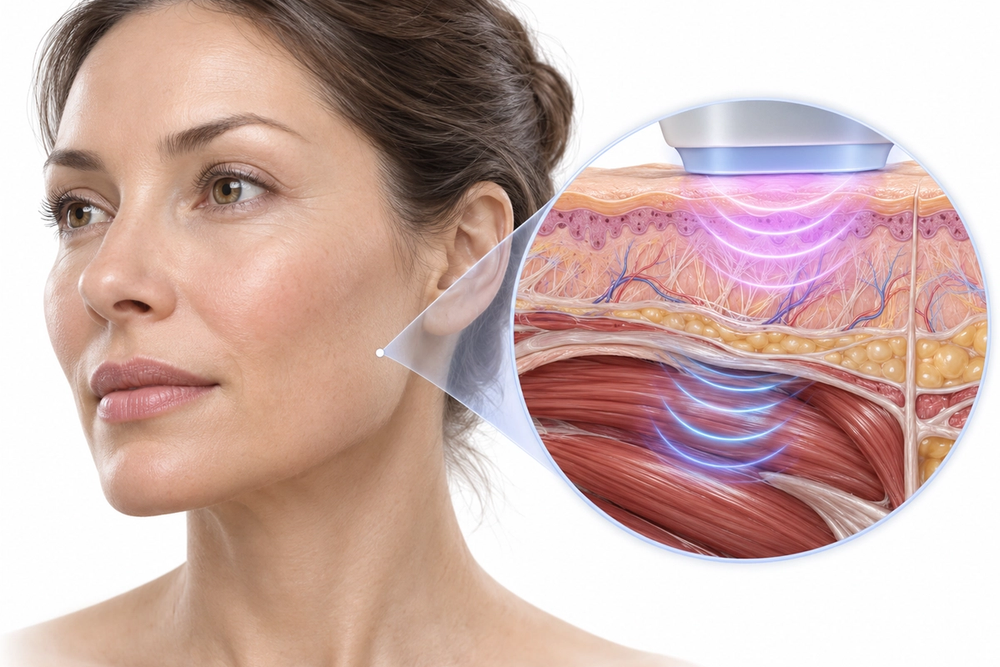
Can TriLift Tighten Your Face Without Surgery in Montreal?
TriLift combines facial muscle stimulation and radiofrequency to improve the appearance of facial tone and firmness. See how sessions, pricing, results and recovery work.
Read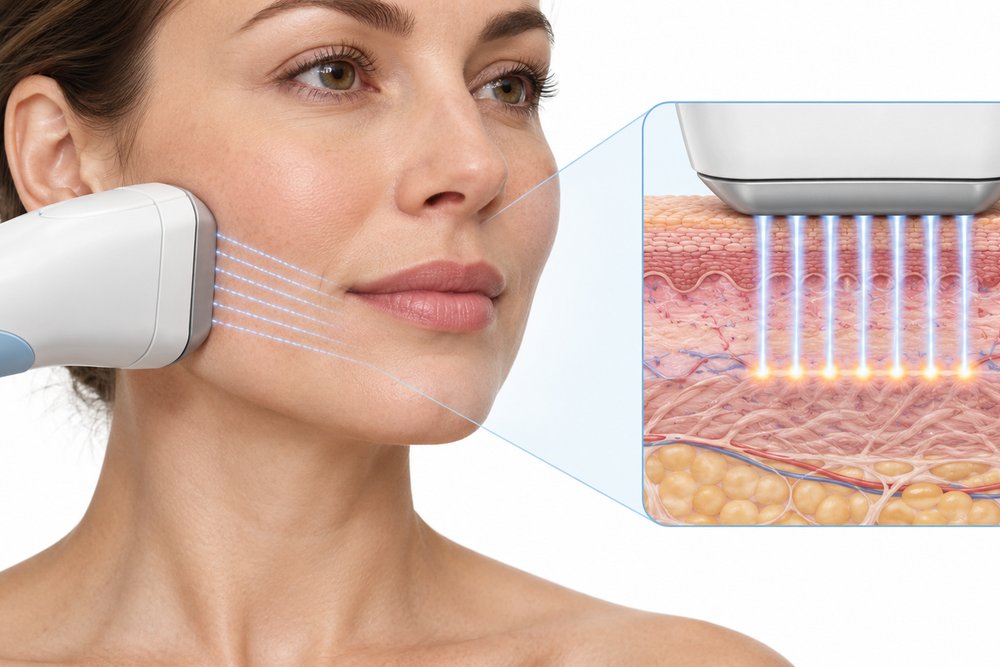
Does Sofwave tighten the face and neck without surgery?
Sofwave can improve mild facial and neck skin laxity without surgery. See how ultrasound treatment works, when results appear, what recovery involves, and Montreal prices.
Read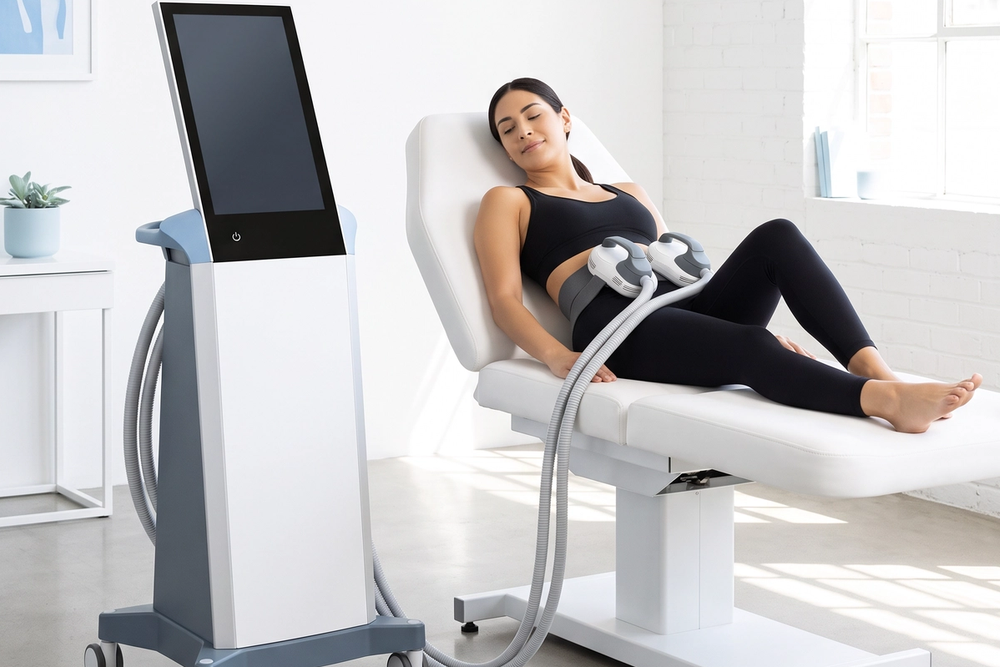
Body Contouring Compared: EMSCULPT NEO, CoolSculpting and Venus Bliss MAX
EMSCULPT NEO, CoolSculpting and Venus Bliss MAX reduce fat by three different mechanisms, and only two of them build muscle. Here is what each one does, which areas it treats, how many sessions to expect and how they combine.
Read