Blog
2023 · 1 min read
Brown Spots - Pigmentation
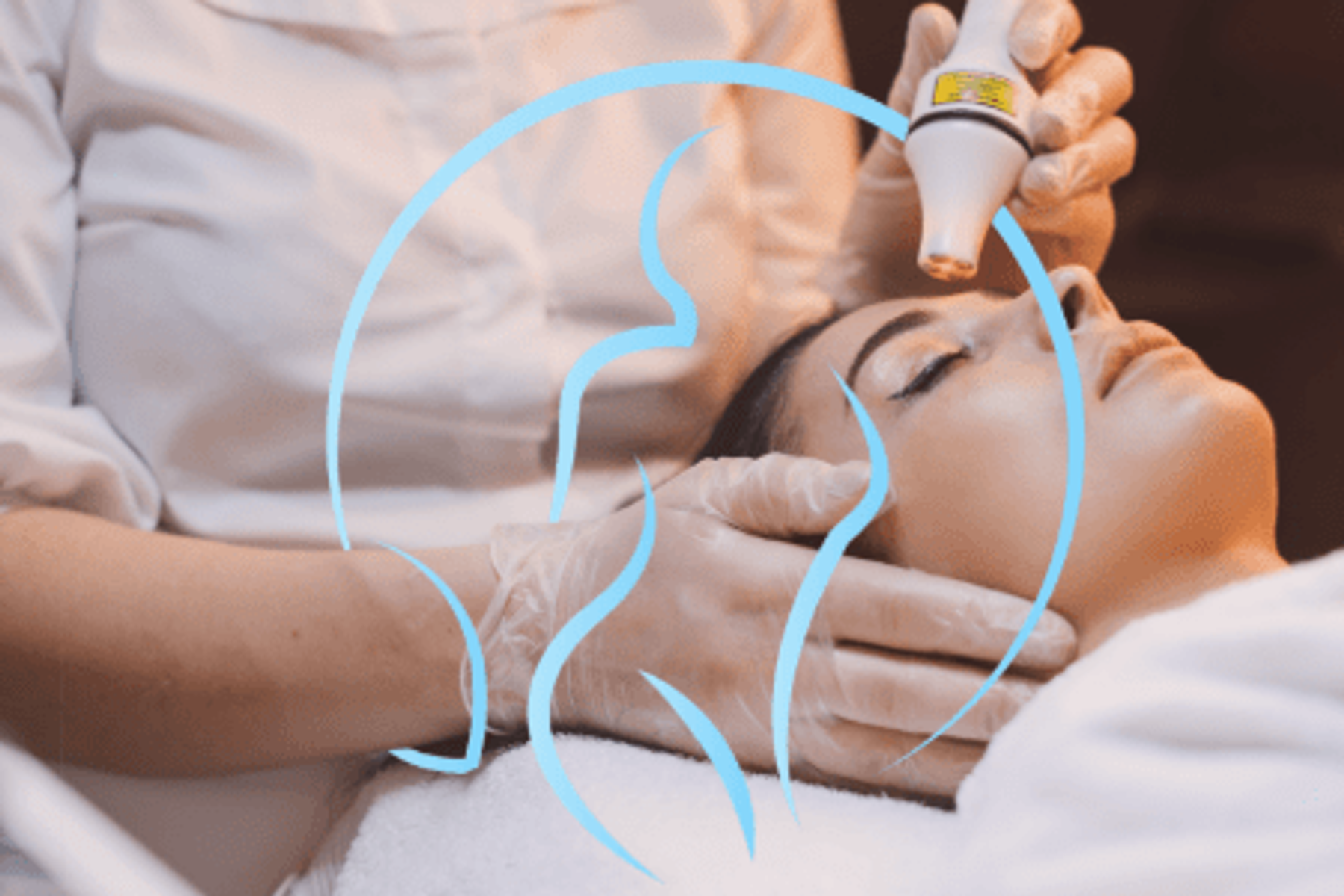
With summer approaching, you may notice that you develop more and more dark spots that seem to become more and more apparent. And we understand that it can hurt your self-esteem, but it's important to understand that nothing is impossible and that there are many treatments available to remove and minimize the appearance of these spots.
Age spots are very common in adults over 50, but younger people can get them if they spend time in the sun. So avoid the sun or protect your skin as best you can to avoid sun exposure, pigmentation is not the only a consequence of sun exposure, many other problems can arise. SUNSCREEN IS YOUR BEST FRIEND!

At ideal body clinic, we are committed to achieving your skin goals, with the following treatments.
Option :
- Microdermabrasion: Microdermabrasion can help with pigmentation such as age spots, melasma, chloasma and lentigo.
- Pico Genesis laser: Originally developed for tattoo removal, picosecond lasers are now being used for a variety of conditions, including skin toning, reducing hyperpigmentation, and building collagen. With virtually no downtime.
- Chemical Peel: Whether your hyperpigmentation is brown, black, or red, the chemical peel helps to get rid of them by resurfacing your skin.
- IPL laser: Short for intense pulsed light, IPL therapy utilizes precise light energy to target pigmented areas of your skin.
Do not hesitate to ask any questions, book your consultation!
Results vary from person to person and are not guaranteed. Nothing here is medical advice — book a consultation and we will look at your case.
Keep reading

Laser Skin Rejuvenation After 40: Which Treatment Is Best?
After 40, the best laser depends on whether you want to treat wrinkles, pigmentation, texture or skin firmness. Compare Fotona 4D, Pico Laser, Laser Genesis and CO2 resurfacing.
Read
Can Fotona 4D Rejuvenate Your Face Without Surgery?
Fotona 4D combines four laser steps to improve facial firmness, fine lines and skin texture without surgery. Discover how it works, expected results, recovery and treatment costs.
Read
Preventative Botox: When Should You Start?
There is no perfect age to start preventative Botox. Discover when early expression lines may justify treatment, how it works, and what to consider in your 20s and 30s.
Read