Blog
2026 · 3 min read
Everything Wrinkle relaxer Injections Can Do: From Facial Rejuvenation to TrapTox
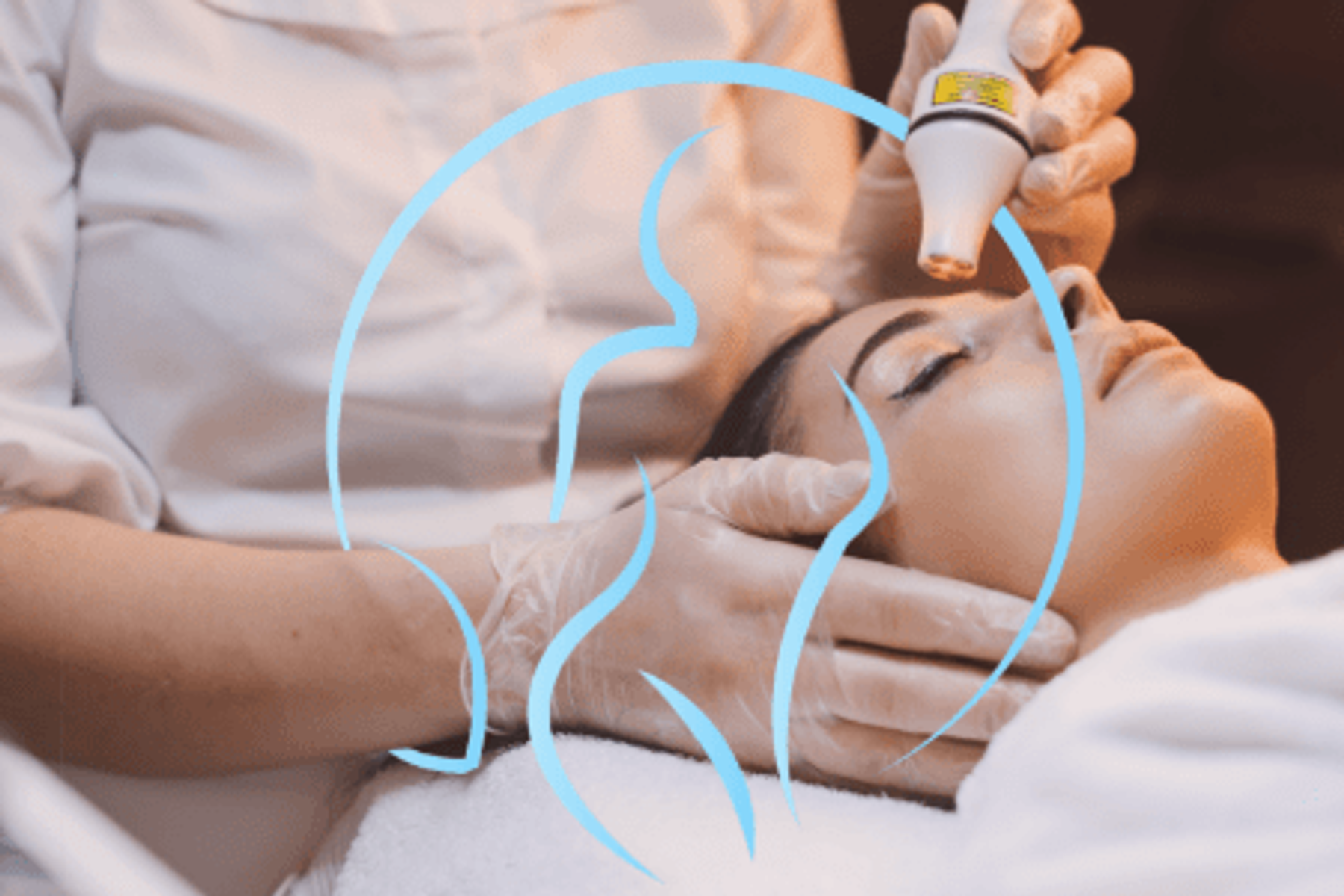
Wrinkle relaxer has become one of the most widely sought-after cosmetic treatments around the world. It’s famous for smoothing wrinkles, but its uses go far beyond that. Whether you’re looking to refresh your appearance or explore other ways Wrinkle relaxer can subtly change muscle activity, there’s a lot to understand about how and where it can be used — including on the trapezius muscles in the upper back and shoulders.
✨ How Wrinkle relaxer Works
Wrinkle relaxer is a neuromodulator — a purified form of botulinum toxin — that works by blocking nerve signals to muscles, causing those muscles to relax temporarily. This relaxation of muscle movement is what makes Wrinkle relaxer effective for both cosmetic and some functional purposes.
🌟 Cosmetic Uses: What Wrinkle relaxer Can Do for Your Face
Wrinkle relaxer is best known for helping smooth dynamic wrinkles — lines that form from repeated facial movements — but experienced injectors can use it creatively across many areas:
Upper Face
- Forehead lines: Smooth horizontal creases from raising the eyebrows.
- Frown lines (between the eyebrows): Soften the vertical “11s” that make expressions look tense.
- Crow’s feet (around the eyes): Reduce lines from smiling, squinting, or laughing.
Mid-Face and Nose
- Bunny lines: Treat small lines on the sides of the nose.
- Subtle brow lift: Strategic injections can lift and open up the eye area for a refreshed look.
Lower Face
- Jawline (masseter muscles): Relaxing these muscles can soften the appearance of a square jaw and help reduce clenching.
- Under-eye area and mouth corners: Small amounts can help smooth lines and improve balance of facial features.
Neck
- Neck banding: Wrinkle relaxer can relax areas like the platysma muscles to make the neck appear smoother and more lifted.
Across the face, these injections reduce muscle movement, which leads to softer lines and a more rested, youthful look without surgery.
💪 Beyond the Face — Trapezius Wrinkle relaxer (TrapTox)
Wrinkle relaxer isn’t limited to just the face. One of the newer trends is using it in the trapezius muscles — the large muscles that run from the neck out to the shoulders and upper back. This treatment is sometimes called TrapTox.
What TrapTox Can Do
- Relax neck and shoulder tension: When overactive, trapezius muscles can become tight or bulky; Wrinkle relaxer can reduce that activity.
- Improve posture comfort: Relaxed traps often feel softer and less tense during daily activities.
- Refine shoulder and neck contours: For some people, relaxing these muscles creates a longer-looking neck and a smoother shoulder line.
This kind of Botulinum toxin use is increasingly chosen by people who want both functional comfort and a subtle aesthetic change in their upper body profile.
🩺 Other Uses Beyond Aesthetics
While most commonly known for wrinkle reduction, Wrinkle relaxer also has several functional applications because of its ability to reduce muscle overactivity:
- Migraine relief: Wrinkle relaxer can reduce the frequency of chronic migraines for some people.
- Excessive sweating (hyperhidrosis): It can temporarily block nerve signals that cause sweating in areas like the underarms.
These uses happen because Wrinkle relaxer temporarily dampens the nerve signals in targeted muscles or glands.
🗓 When You’ll See Your Results
One of the most important things to understand is Wrinkle relaxer doesn’t show its full effect immediately. While slight changes may begin within a few days after treatment, it usually takes about two weeks for the full results to appear as the muscles settle into their relaxed state.
Over those two weeks, the muscles gradually reduce movement, allowing lines to soften and contours to balance naturally.
Results vary from person to person and are not guaranteed. Nothing here is medical advice — book a consultation and we will look at your case.
Keep reading

Laser Skin Rejuvenation After 40: Which Treatment Is Best?
After 40, the best laser depends on whether you want to treat wrinkles, pigmentation, texture or skin firmness. Compare Fotona 4D, Pico Laser, Laser Genesis and CO2 resurfacing.
Read
Can Fotona 4D Rejuvenate Your Face Without Surgery?
Fotona 4D combines four laser steps to improve facial firmness, fine lines and skin texture without surgery. Discover how it works, expected results, recovery and treatment costs.
Read
Preventative Botox: When Should You Start?
There is no perfect age to start preventative Botox. Discover when early expression lines may justify treatment, how it works, and what to consider in your 20s and 30s.
Read