Blog
2024 · 2 min read
Cryotherapy's Dynamic Solutions for skin
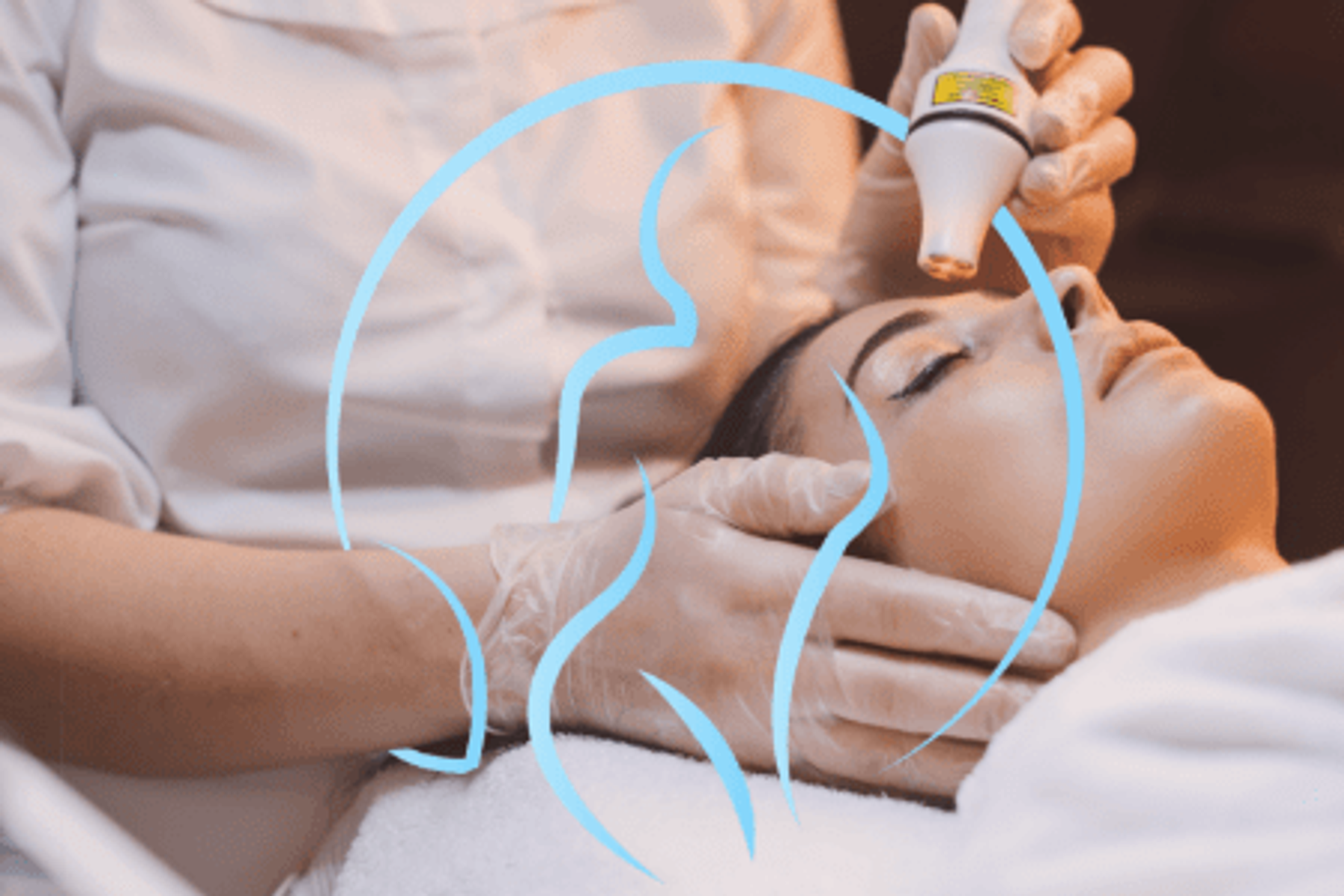
Cryotherapy is a medical treatment that involves the use of extreme cold to destroy abnormal or unwanted tissues on the skin. It is commonly used for various dermatological conditions, including fibromas, keratosis, skin tags, milia, sun and age spots, cholesterol deposits, spider capillaries, cherry angiomas, and others.
Here's how cryotherapy works and how it helps with these specific conditions:
- Fibromas: Cryotherapy freezes and destroys fibromas, which are benign tumors composed of fibrous or connective tissue, by causing cell death in the affected area.
- Keratosis: Cryotherapy is effective in treating various types of keratosis, such as actinic keratosis (pre-cancerous lesions caused by sun exposure), by freezing and removing the abnormal keratinized cells from the skin surface.
- Skin Tags: Skin tags are small, benign growths that commonly occur in areas of friction on the skin. Cryotherapy can be used to freeze and remove skin tags by destroying the cells comprising the tag.
- Milia: Milia are small, white cysts that form when keratin becomes trapped beneath the surface of the skin. Cryotherapy can help in the removal of milia by freezing and exfoliating the affected area.
- Sun and Age Spots: Cryotherapy can be used to target and destroy pigment-producing cells responsible for sunspots (also known as solar lentigines) and age spots (also known as liver spots or senile lentigines), resulting in a more even skin tone.
- Cholesterol Deposits: Cryotherapy can be effective in removing cholesterol deposits (xanthelasma) by freezing and breaking down the lipid-rich cells that accumulate in the skin, typically around the eyes.
- Spider Capillaries: Cryotherapy can help in the treatment of spider capillaries (telangiectasia) by constricting and collapsing the blood vessels responsible for their appearance, leading to their disappearance or reduced visibility.
- Cherry Angiomas: Cryotherapy can be used to treat cherry angiomas, which are benign growths made up of small blood vessels, by freezing and destroying the abnormal blood vessels, causing the cherry angioma to shrink or disappear.
In general, cryotherapy is a versatile and minimally invasive treatment option for various dermatological conditions, providing effective results with minimal scarring and downtime. However, it is essential to consult with a qualified healthcare professional or dermatologist to determine the suitability of cryotherapy for specific skin concerns and to ensure safe and effective treatment.
Results vary from person to person and are not guaranteed. Nothing here is medical advice — book a consultation and we will look at your case.
Keep reading
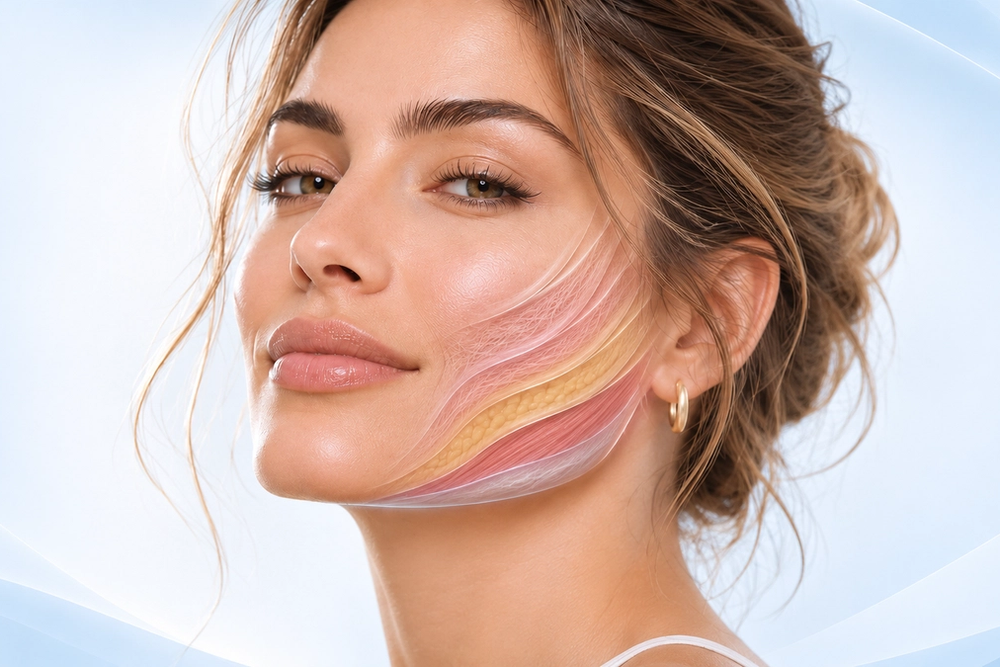
Does XERF Tighten Sagging Facial Skin Without Surgery?
XERF may improve mild facial skin laxity without surgery, but results vary. See what the research shows, how treatment works, and when changes may become visible.
Read
Sofwave: What It Lifts, What It Does Not, and Who It Suits
Sofwave uses parallel ultrasound beams to heat the mid-dermis and rebuild collagen in the brow, under the chin and along the neck. Here is what it changes, what it cannot do, how it compares with Ultherapy, RF microneedling and thread lifts, and who tends to benefit.
Read
Laser Skin Rejuvenation After 40: Which Treatment Is Best?
After 40, the best laser depends on whether you want to treat wrinkles, pigmentation, texture or skin firmness. Compare Fotona 4D, Pico Laser, Laser Genesis and CO2 resurfacing.
Read