Blog
2026 · 9 min read
Do Exosomes Improve Results After Aesthetic Treatments?
Exosomes may support skin recovery and rejuvenation after selected procedures. See what evidence shows for RF microneedling, PRP, PRF and salmon-DNA treatments.
Key facts
- A 2026 randomized split-face study of 60 adults found greater 12-week wrinkle improvement with RF microneedling plus topical extracellular vesicles than with RF microneedling alone.
- A split-face trial using 3 RF microneedling treatments found both PRP and topical exosomes improved photoaged skin without a significant difference between the two treatments.
Exosomes may improve some skin-quality outcomes when used after selected aesthetic procedures, especially RF microneedling. Early studies report benefits in wrinkles, texture, hydration and redness, but evidence is still developing and the exact exosome product and method of application matter.
For PRP, PRF and salmon-DNA or polynucleotide injections, the science is less direct. These treatments already use different regenerative pathways, and current human studies do not prove that adding exosomes to every treatment produces better results.
What are exosomes and why are they being used after treatments?
Exosomes are a type of extracellular vesicle. They are tiny membrane-bound particles involved in communication between cells and can carry proteins, lipids and other biological signals.
In aesthetic medicine, researchers are studying extracellular-vesicle and exosome-based preparations for skin rejuvenation and recovery. A 2026 review covering laboratory, animal and human research reported potential effects on collagen and elastin-related pathways, skin hydration, elasticity, texture, pigmentation and recovery. The same review emphasized that treatment methods and products vary substantially and that more high-quality randomized trials are still needed.
This distinction matters. “Exosome treatment” is not one standardized product or protocol.
Some products contain extracellular vesicles. Others may contain conditioned media or different biologically active components. Their source, concentration, processing and intended method of use can differ.
At Ideal Body Clinic, an exosome add-on should therefore be considered as part of an individualized treatment plan rather than a universal finishing step after every procedure.
Why add exosomes after microneedling or RF microneedling?
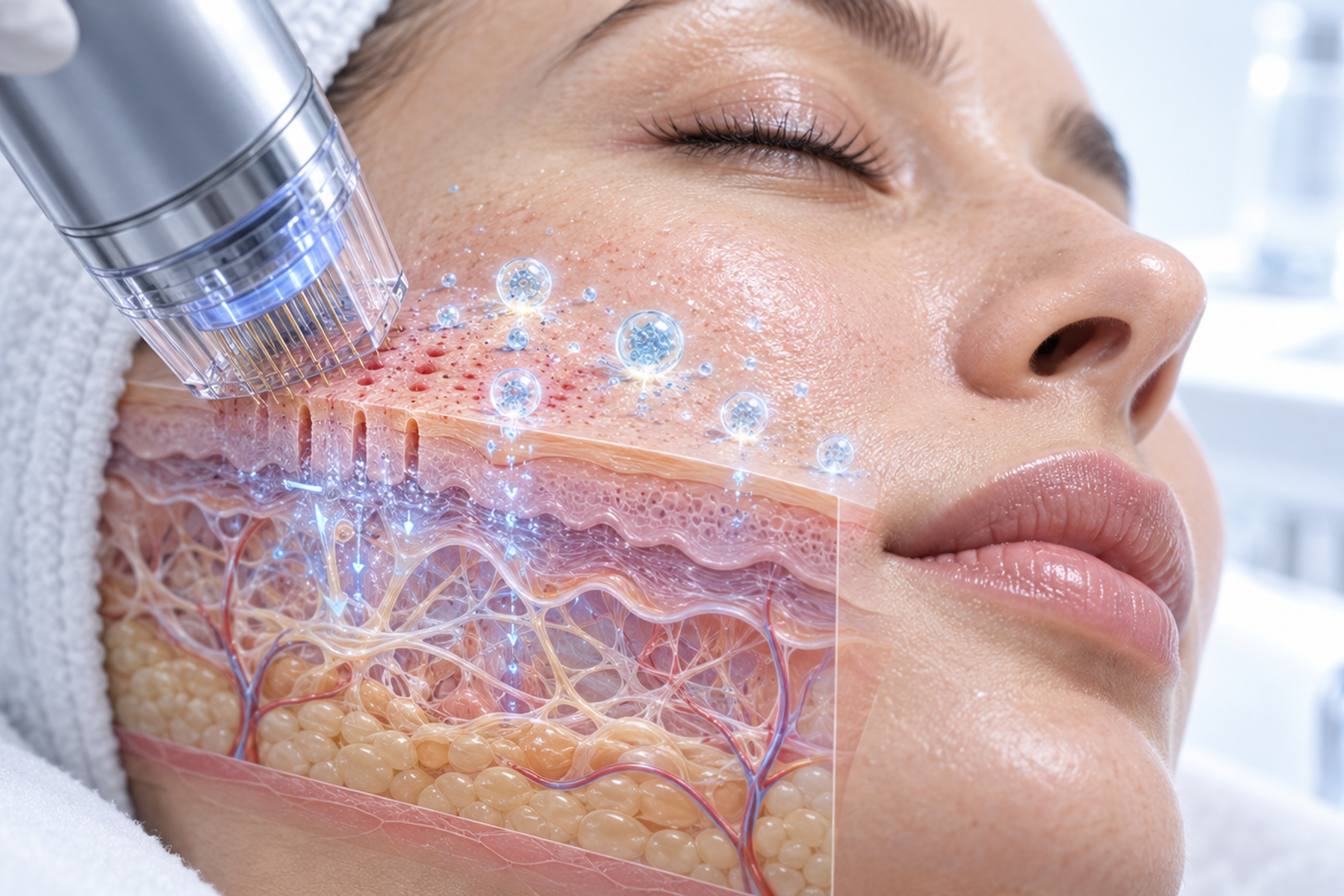
RF microneedling creates controlled microchannels while delivering radiofrequency energy into the skin. The treatment itself is designed to initiate a remodeling response.
This is currently one of the more interesting areas of clinical exosome research.
A 2026 randomized split-face study included 60 adults undergoing RF microneedling. One side of the face received RF microneedling followed by a topical extracellular-vesicle preparation, while the other side received RF microneedling alone.
At 12 weeks, the combination side had a greater improvement in wrinkle scores. Texture, pores, redness, pigmentation measurements, hydration and patient-assessed improvement also generally favored the combination. The investigators still described the findings cautiously because follow-up was limited and the study was not blinded.
For someone already considering Secret PRO CO₂ and RF microneedling or another RF-based skin treatment, this provides a reasonable scientific basis for discussing whether an appropriately selected post-procedure regenerative product belongs in the plan.
Can exosomes improve recovery after microneedling?
Possibly, but the evidence should not be overstated.
A 2026 systematic review of 19 human studies found encouraging short-term changes in hydration, elasticity, wrinkles, pores, pigmentation and overall skin appearance following exosome-based treatments. Most studies were not randomized, however, and protocols varied substantially.
Another systematic review included 16 studies and 503 participants. Most reported improvement in at least one facial skin-quality measure, but the certainty of evidence was rated low or very low because of study limitations, inconsistent methods and short follow-up.
That means exosomes may be a useful adjunct, but they should not be presented as something that guarantees faster healing or dramatically changes every result.
Are exosomes better than PRP?
Current evidence does not establish a clear winner.
PRP is prepared from the patient’s own blood and concentrates platelets and platelet-associated signaling factors. Exosome preparations are manufactured biological products and are not the same thing as PRP.
A split-face clinical trial compared the two after three RF microneedling treatments for mild to moderate facial photoaging. One side received PRP while the other received topical adipose-derived mesenchymal stem-cell exosomes.
Both sides improved in wrinkles, pigmentation, redness, texture and overall skin appearance. Histology also showed increased collagen I and glycosaminoglycans. The researchers found no significant difference between the PRP and exosome sides.
This is useful because it suggests that exosomes may function as an alternative regenerative adjunct in some treatment protocols.
It does not show that combining PRP and exosomes together is superior.
Should I add exosomes after PRP?
There is currently much stronger evidence comparing PRP with exosomes than there is evidence showing that applying both together gives an additional clinical benefit.
If PRP is already being used as the regenerative component of a treatment, adding exosomes may create biological overlap rather than automatically producing a stronger result.
The decision should depend on the goal.
For example, someone undergoing RF microneedling may have PRP or an appropriate extracellular-vesicle preparation incorporated into the treatment plan. Using both simply because both are considered regenerative does not mean the result will double.
The best combination is the one where every component has a specific purpose.
What about adding exosomes after PRF?
PRF is another autologous blood-derived treatment, but its preparation and fibrin structure differ from PRP.
Direct clinical evidence showing that PRF plus a commercial exosome preparation produces better facial rejuvenation results than PRF alone is currently limited.
That makes PRF plus exosomes a much less established combination than RF microneedling followed by extracellular-vesicle application.
A patient interested in PRF should first determine what the PRF treatment itself is intended to accomplish. An additional exosome product should only be considered if there is a clear reason to include it, rather than as an automatic upgrade.
Can exosomes be combined with salmon-DNA injections?
Polynucleotides and PDRN have their own growing evidence base.
A 2026 systematic review identified 7 randomized trials involving 183 participants across skin rejuvenation, scar prevention and wound healing. The studies reported encouraging effects, but the authors emphasized small sample sizes, inconsistent protocols and the need for larger trials.
Another systematic review of polynucleotide use in aesthetic medicine found promising improvements in wrinkles, texture and elasticity but concluded that evidence and treatment protocols are still not standardized.
What is missing is strong human evidence demonstrating that adding an exosome product after a polynucleotide or PDRN injection produces a clinically superior result.
There is preclinical research exploring combinations of regenerative injectables, including PDRN and exosomes, but animal data cannot be treated as proof of benefit in human aesthetic patients.
For now, these should be considered separate regenerative tools that may potentially be included in a broader plan rather than a proven combination that every patient needs.
Which treatment currently has the strongest case for adding exosomes?
Among the treatments discussed here, RF microneedling has the most direct human evidence for immediate topical extracellular-vesicle application afterward.
This makes the concept especially relevant to patients considering Scarlet RF microneedling or other controlled microneedling and RF protocols.
The potential benefits being studied include:
- greater improvement in fine lines
- smoother skin texture
- improved hydration
- reduced visible redness
- improvement in pore appearance
- support for the overall remodeling response
These remain developing clinical applications rather than guaranteed outcomes.
How many exosome treatments do I need?
There is no established universal number.
Published protocols vary because researchers use different products, concentrations, delivery methods and base treatments.
For example, one retrospective facial-aging study followed 40 patients through four microneedling plus exosome sessions performed every 2 weeks. The study reported improvement and high patient satisfaction, but it did not include a randomized untreated comparison group.
A separate trial comparing PRP with exosomes used three RF microneedling treatments.
In practice, it makes more sense to base the number of sessions on the primary treatment. Exosomes are an adjunct to the treatment plan, not necessarily a separate treatment series.
Are all exosome products the same?
No.
This is one of the most important points for patients to understand.
Health Canada issued final guidance concerning topical products containing human-derived exosomes, extracellular vesicles and human cell-conditioned media. Classification depends on the product’s composition, claims and intended method of use.
Health Canada specifically notes that directions intended to facilitate absorption through microneedling are not consistent with cosmetic use, and products administered by injection are not considered cosmetics. Products that meet the definition of a drug require the appropriate Health Canada authorization before sale.
Therefore, the exact product, intended application and Canadian regulatory status matter just as much as the word “exosomes” on a treatment menu.
What should I ask before adding exosomes to a treatment?
Ask what the main treatment is trying to accomplish first.
If your goal is texture, pores or skin laxity, an RF microneedling treatment may be the foundation of the plan.
If you are choosing between PRP, PRF, polynucleotides and an exosome-based adjunct, the question should not be “How many regenerative treatments can I combine?”
It should be: What does each part add to my treatment?
Current research makes exosomes an interesting area of regenerative aesthetics, particularly when paired with procedures such as RF microneedling. But the strongest treatment plan remains one where the product, route, evidence and individual skin concern all make sense together.
You can explore Ideal Body Clinic’s skin and aesthetic treatments and discuss which regenerative approach fits your treatment goal.
Results vary from person to person and are not guaranteed. Nothing here is medical advice — book a consultation and we will look at your case.
Sources
- https://www.canada.ca/en/health-canada/services/drugs-health-products/drug-products/announcements/final-notice-classification-topical-products-human-exosomes-extracellular-vesicles-cell.html
- https://pubmed.ncbi.nlm.nih.gov/42635327/
- https://pubmed.ncbi.nlm.nih.gov/40414798/
- https://pubmed.ncbi.nlm.nih.gov/41457905
Keep reading
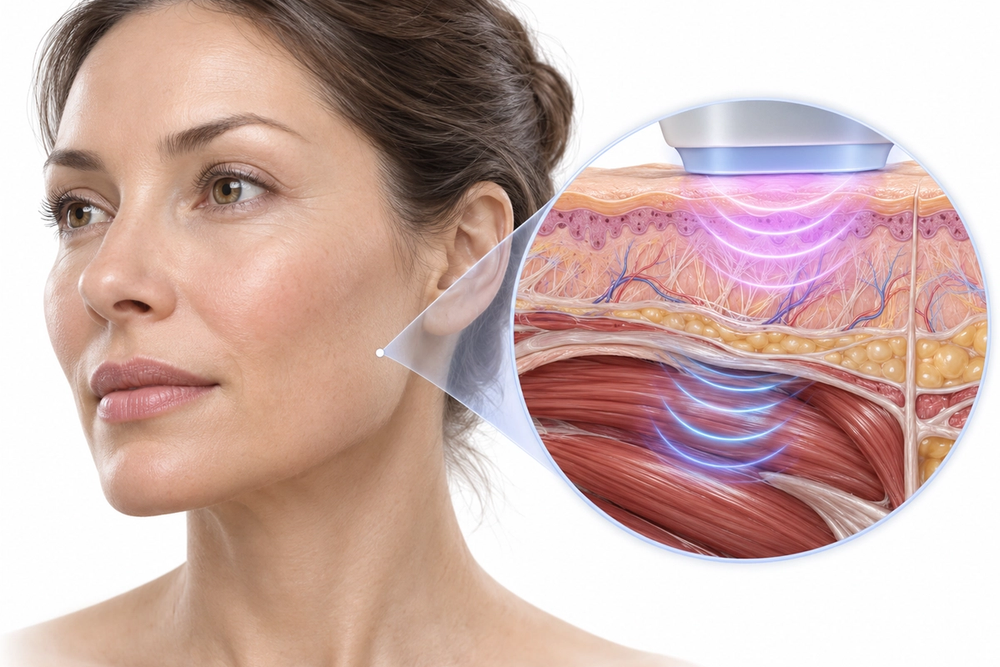
Can TriLift Tighten Your Face Without Surgery in Montreal?
TriLift combines facial muscle stimulation and radiofrequency to improve the appearance of facial tone and firmness. See how sessions, pricing, results and recovery work.
Read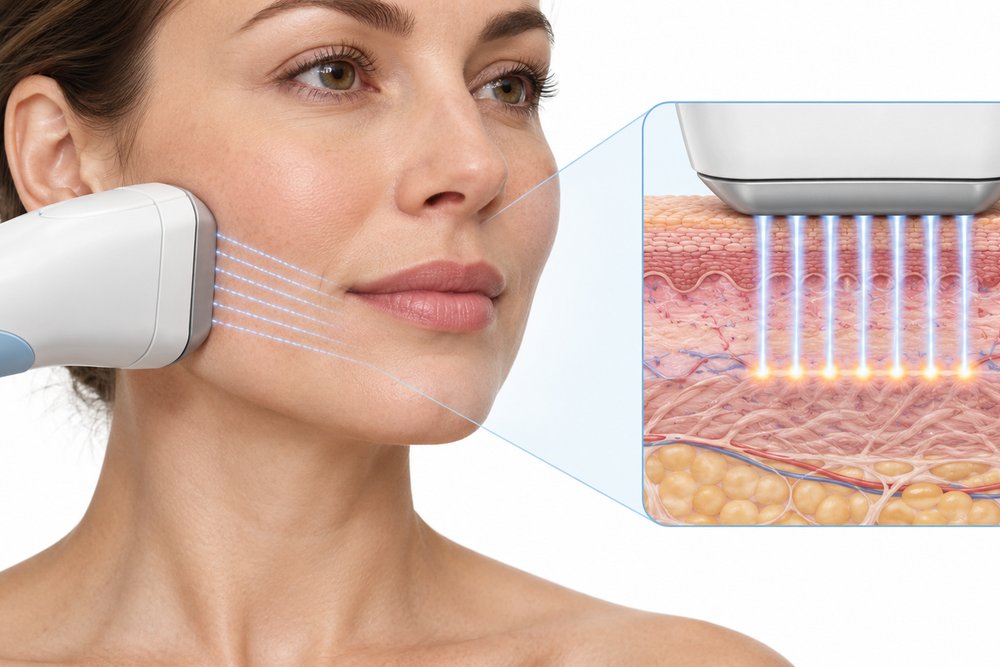
Does Sofwave tighten the face and neck without surgery?
Sofwave can improve mild facial and neck skin laxity without surgery. See how ultrasound treatment works, when results appear, what recovery involves, and Montreal prices.
Read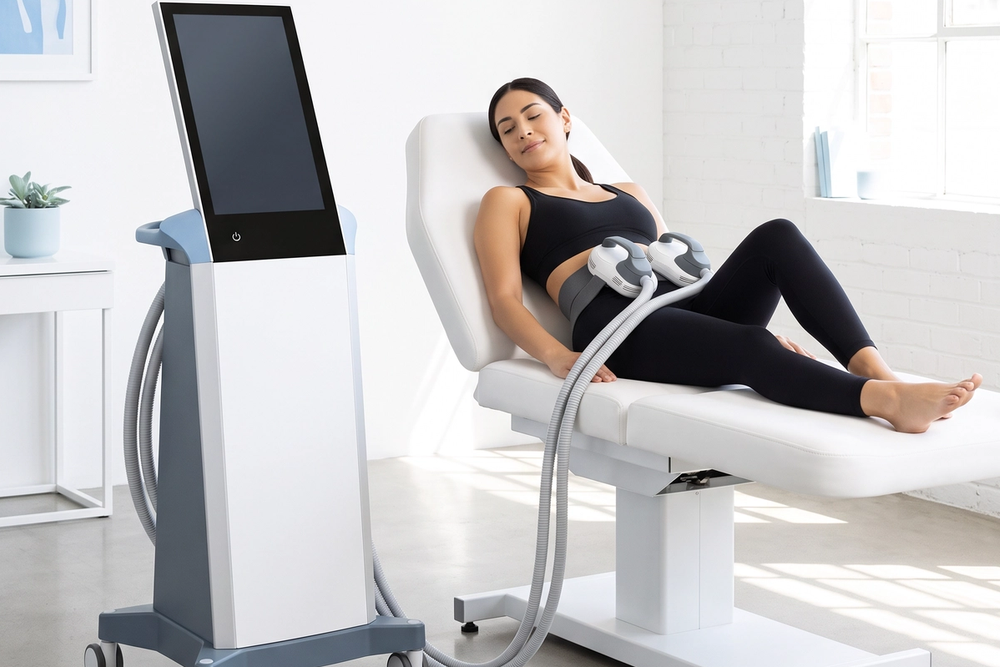
Body Contouring Compared: EMSCULPT NEO, CoolSculpting and Venus Bliss MAX
EMSCULPT NEO, CoolSculpting and Venus Bliss MAX reduce fat by three different mechanisms, and only two of them build muscle. Here is what each one does, which areas it treats, how many sessions to expect and how they combine.
Read