Blog
2026 · 12 min read
How Does the Time Machine Procedure Target Skin Aging?
The Time Machine Procedure combines several treatment categories to address different layers of skin aging. Here is what each step targets and where evidence is still emerging.
Key facts
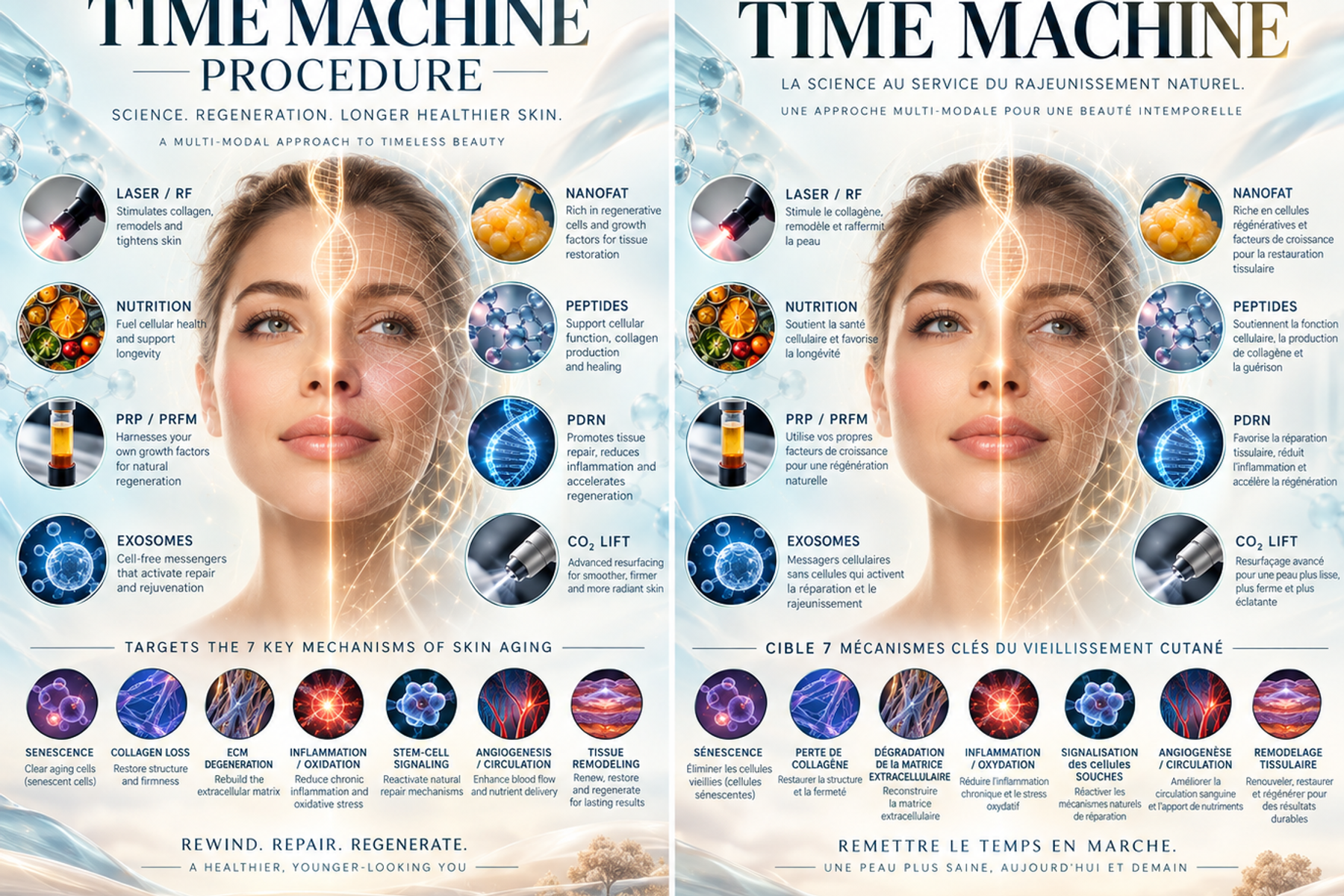
- The Time Machine framework contains 8 treatment categories organized around 7 biological features associated with tissue aging.
- A 2026 radiofrequency microneedling review synthesized 20 studies involving 558 participants.
- A 2026 PDRN and polynucleotide review identified 7 randomized trials involving 183 participants.
The Time Machine Procedure is an 8-part regenerative plan that combines energy-based remodeling, nutrition, autologous platelet therapies and selected regenerative adjuncts to address 7 linked features of tissue aging rather than relying on one treatment.
Not every patient needs all eight components. The sequence should be individualized after clinical assessment, because skin quality, volume loss, inflammation, medical history and treatment goals are different from person to person.
What is the Time Machine Procedure?
The Time Machine Procedure is a multi-modal approach to skin and tissue aging. Instead of asking one treatment to correct wrinkles, laxity, texture, circulation and cellular changes at the same time, the plan separates aging into several biological targets.
The eight treatment categories are:
- Laser and radiofrequency
- Nutrition
- PRP or PRFM
- Exosome-based products where appropriate and compliant with Canadian regulation
- Nanofat
- Peptide-based strategies
- PDRN or polynucleotides where appropriate and legally available
- CO2Lift carboxytherapy
The goal is not to make the skin look temporarily different. The concept is to build a plan around collagen, extracellular matrix quality, inflammation, circulation and tissue remodeling.
Energy-based treatments are the structural part of the approach. Depending on the patient's skin, a plan may include fractional CO2 and RF microneedling or another appropriate energy platform.
What are the 7 aging processes the plan is designed around?
Skin aging is not caused by collagen loss alone. Research increasingly describes aging skin as a changing microenvironment involving cellular senescence, chronic low-grade inflammation, oxidative stress, extracellular matrix disruption, altered cell communication and reduced regenerative capacity.
The Time Machine framework organizes treatment around seven areas:
Aging target
What it means
Cellular senescence
Older or stressed cells can enter a state in which they stop dividing and release signaling molecules that influence surrounding tissue.
Collagen loss
Collagen production and organization change with age and environmental exposure.
ECM degeneration
The extracellular matrix, including collagen, elastin and other structural components, becomes less organized.
Inflammation and oxidation
Chronic inflammatory and oxidative pathways can contribute to tissue deterioration.
Regenerative cell signaling
Communication between cells changes with age, affecting repair and tissue homeostasis.
Angiogenesis and circulation
Aging is associated with changes in the cutaneous microcirculation and vascular function.
Tissue remodeling
Aging tissue may repair and reorganize less efficiently after damage.
This does not mean that aesthetic treatments have been proven to eliminate senescent cells or reverse biological aging. Senescence is an important research target, but currently available aesthetic procedures should not be described as validated senolytic treatments.
How do laser and radiofrequency help with collagen and tissue remodeling?
Laser and RF treatments create controlled energy in selected layers of tissue. The resulting healing response can stimulate remodeling and new collagen formation.
A 2026 review of ablative laser research found that fractional and fully ablative laser treatments produced a wound-healing response associated with dermal remodeling and neocollagenesis. Collagen type I, III and VII elevations were observed for months in some studies.
Radiofrequency microneedling also has growing clinical evidence. A 2026 systematic review synthesized 20 studies involving 558 participants and reported improvements in facial texture and tightening, with common reactions mainly consisting of temporary redness and swelling.
Different devices work at different depths, which is why one platform is not automatically right for everyone. Options may include Scarlet RF microneedling, Fotona laser treatments or other energy technologies selected after assessment.
What do PRP and PRFM add?
PRP, platelet-rich plasma, and PRFM, platelet-rich fibrin matrix, are prepared from the patient's own blood.
Platelets contain signaling proteins and growth factors involved in normal tissue repair. For aesthetic use, these preparations have been studied for skin quality, texture and facial rejuvenation.
A 2024 overview of systematic reviews concluded that PRP has a growing evidence base for facial rejuvenation, although protocols and study quality vary substantially. PRFM has also been studied. In a randomized split-face trial involving 30 patients, some improvements in skin texture were detected at 6 weeks, but several differences were no longer statistically significant at 12 weeks.
PRP and PRFM therefore fit the Time Machine concept primarily as autologous signaling and remodeling tools, rather than as instant volume replacement.
What do exosomes have to do with cellular signaling?
Exosomes are small extracellular vesicles involved in cell-to-cell communication. This is why they have generated interest in regenerative aesthetics.
A 2026 review covering laboratory, animal and clinical research described potential effects on extracellular matrix formation, inflammatory pathways, oxidative stress and cellular communication. Human studies have reported changes in hydration, texture, pigmentation and elasticity, but protocols and products remain highly variable.
Regulation matters. Health Canada states that human-derived exosome, extracellular-vesicle and cell-conditioned-media products may be regulated as drugs depending on their composition, claims and how they are used. Applying a cosmetic through microneedling or using an injectable product changes the regulatory considerations.
For that reason, “exosomes” should never be treated as one interchangeable ingredient. The exact product, source, route of administration and Canadian authorization status must be reviewed before use.
What is PDRN and why is it being studied for regeneration?
PDRN stands for polydeoxyribonucleotide. Polynucleotides and PDRN have become an active area of regenerative dermatology research.
A 2026 systematic review identified 7 randomized trials with 183 participants across skin rejuvenation, scar prevention and wound-healing applications. Improvements were reported in several outcomes, but researchers emphasized that studies remain small and treatment protocols are not yet standardized.
Within the Time Machine concept, PDRN is considered a potential support for tissue repair and remodeling. It should not be presented as a treatment that reverses aging or regenerates every type of tissue.
Canadian product authorization and permitted use should be verified before adding a specific PDRN product to a clinical protocol.
What is nanofat and how is it different from filler?
Nanofat begins with a patient's own adipose tissue. The harvested fat is mechanically processed into a finer preparation.
A 2025 systematic review described nanofat as processed lipoaspirate containing components of the stromal vascular fraction and extracellular matrix. The review found regenerative potential across reconstructive, wound-healing and aesthetic applications but also concluded that robust clinical evidence remains limited.
Nanofat therefore belongs in a different category from hyaluronic acid filler. It involves fat harvesting and tissue processing, and candidacy depends on the patient, treatment area, clinical setting and professional scope.
It may be considered when a treatment plan requires more advanced regenerative or tissue-quality strategies, rather than being a standard step for every Time Machine patient.
Where do peptides fit into the plan?
“Peptides” describes a very broad group of molecules, so the route and product matter.
Research on oral and topical peptides, particularly collagen-related formulations, suggests possible improvements in hydration and some visible signs of aging. A 2026 meta-analysis included 19 randomized trials with 1,341 participants and found modest benefits in some outcomes, while results for elasticity and density were inconsistent.
Injectable peptides are a different category.
Health Canada warned Canadians in April 2026 about unauthorized injectable peptides promoted for anti-aging, wellness and other purposes. Products specifically named in the advisory included BPC-157, GHK-Cu, CJC-1295, ipamorelin, KPV, MOTS-C and others.
Any peptide component of a Time Machine plan therefore needs to be defined precisely. Topical, oral and prescription injectable products cannot be grouped together as if they have the same evidence, risk profile or regulatory status.
Why is nutrition part of an aesthetic procedure?
Skin remodeling requires biological resources. Nutrition does not replace an energy treatment or injection, but nutritional status can influence the environment in which repair occurs.
Research has examined dietary protein, collagen peptides, fatty acids, polyphenols, vitamins and other nutritional factors in relation to skin hydration, wrinkles and photoaging. A 2025 meta-analysis of 61 studies found measurable associations for several interventions, including collagen, fatty acids and polyphenols, although results varied by intervention.
The practical role of nutrition in the Time Machine plan is therefore supportive. The focus is adequate nutrition and individualized medical or nutritional assessment where needed, not extreme supplementation.
What does CO2Lift do, and is it the same as a CO2 laser?
No. CO2Lift and fractional CO2 laser are completely different treatments.
A fractional CO2 laser delivers laser energy to create controlled microscopic injury and stimulate resurfacing and remodeling.
CO2Lift is a topical carboxytherapy system that generates carbon dioxide at the skin surface. The manufacturer reports clinical data involving hydration, microcirculation, tissue oxygenation and elasticity. These manufacturer findings are useful when evaluating the product, but they are not equivalent to a large independent randomized evidence base.
Within a multi-step protocol, CO2Lift may be used as a supportive topical treatment around skin hydration, recovery and circulation when clinically appropriate.
Can one procedure really target all 7 mechanisms?
Not in the sense of switching seven biological problems off at once.
The better way to understand Time Machine is as a treatment architecture:
- Laser and RF primarily address structural remodeling and collagen.
- PRP and PRFM contribute autologous platelet signaling.
- Exosome research focuses heavily on intercellular communication and regenerative signaling.
- PDRN research is exploring repair and tissue-regeneration pathways.
- Nanofat combines autologous adipose-derived tissue components with regenerative potential.
- Nutrition supports the biological environment required for normal tissue maintenance and repair.
- Selected peptides may support specific skin or nutritional goals depending on the formulation.
- CO2Lift is positioned as a topical carboxytherapy adjunct focused on hydration and microcirculation.
For deeper collagen and tightening concerns, another structural option may include Sofwave skin tightening, depending on the treatment area and clinical assessment.
Are all 8 treatments done on the same day?
Usually, a regenerative plan makes more sense when it is staged.
Energy treatments create a controlled tissue response. Injectable or autologous procedures have their own timing, healing requirements and contraindications. Combining everything at once is not automatically better.
The order should depend on skin condition, age-related changes, previous procedures, medications, medical history, tolerance for downtime and the specific products being considered.
Quebec guidance also treats energy-based aesthetic procedures and injectable aesthetic procedures as medical-aesthetic activities requiring appropriate assessment, planning and professional oversight.
What results should I expect from a Time Machine plan?
The goal is gradual improvement in selected features of skin quality rather than one dramatic endpoint.
A patient may be primarily concerned with texture and collagen. Another may have volume loss, poor tissue quality or photodamage. A third may need a simpler plan with one energy treatment plus supportive care.
This is why the Time Machine concept begins with assessment rather than a fixed package.
A personalized plan may use only a few of these tools, then change as the tissue responds. Patients can also review the clinic's full range of treatment options when deciding which components fit their priorities.
Is the Time Machine Procedure right for everyone?
No single regenerative protocol is appropriate for everyone.
Pregnancy, active infection, certain medications, immune conditions, bleeding or clotting considerations, previous procedures, implanted devices and other medical factors may change what can safely be considered.
More importantly, some parts of regenerative aesthetics are supported by stronger clinical evidence than others. A responsible plan should distinguish established procedures from emerging therapies and confirm the regulatory status of every product used in Canada.
The purpose of the Time Machine approach is not to use the greatest number of treatments. It is to understand what is changing in the tissue, select the modalities that make sense for that patient, and build the plan at the right pace.
Results vary from person to person and are not guaranteed. Nothing here is medical advice — book a consultation and we will look at your case.
Keep reading
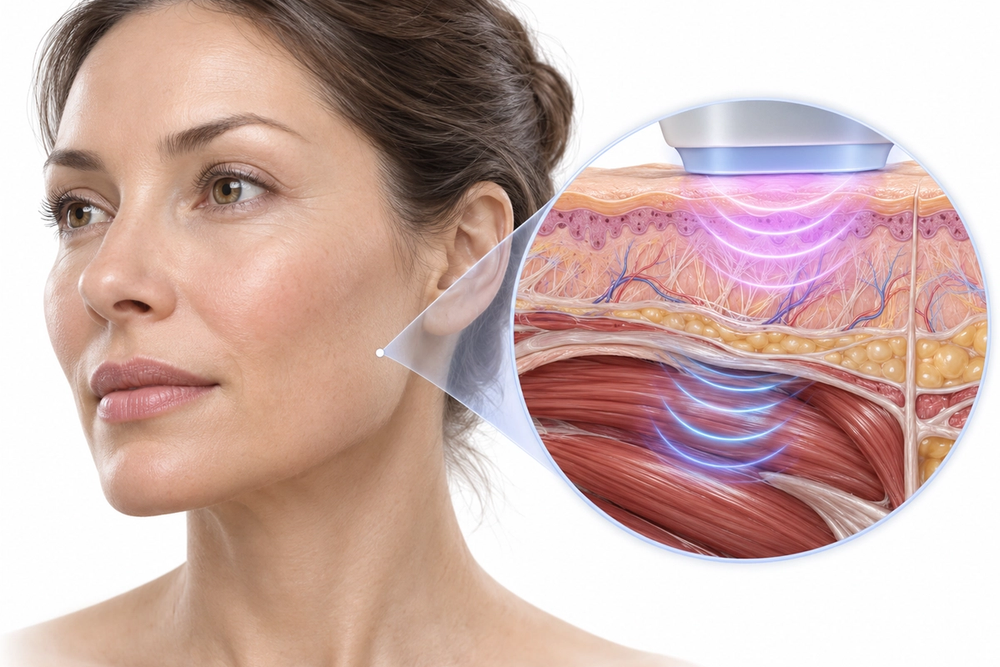
Can TriLift Tighten Your Face Without Surgery in Montreal?
TriLift combines facial muscle stimulation and radiofrequency to improve the appearance of facial tone and firmness. See how sessions, pricing, results and recovery work.
Read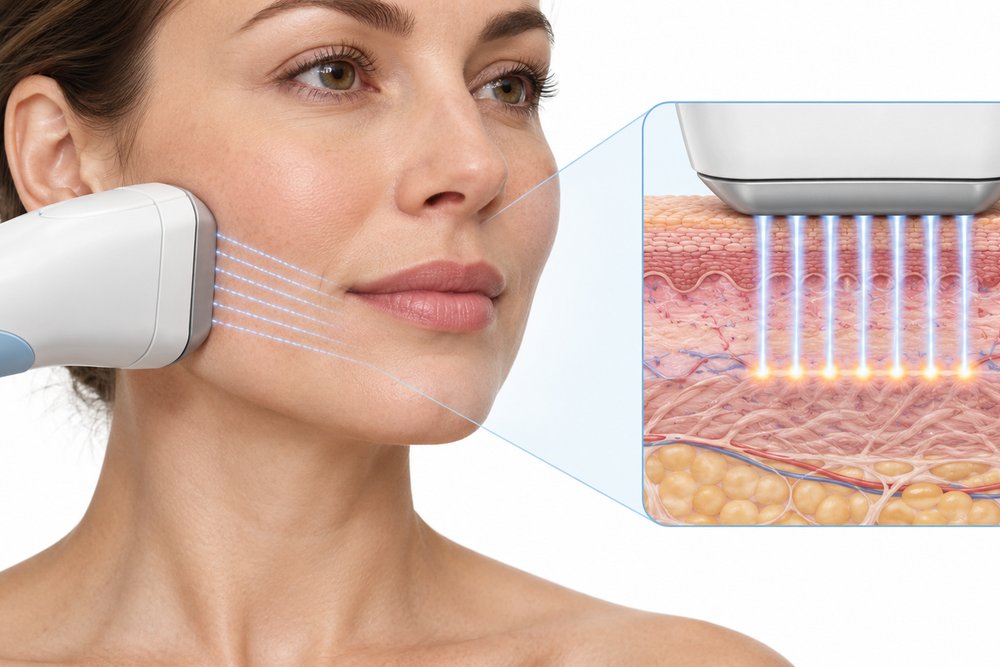
Does Sofwave tighten the face and neck without surgery?
Sofwave can improve mild facial and neck skin laxity without surgery. See how ultrasound treatment works, when results appear, what recovery involves, and Montreal prices.
Read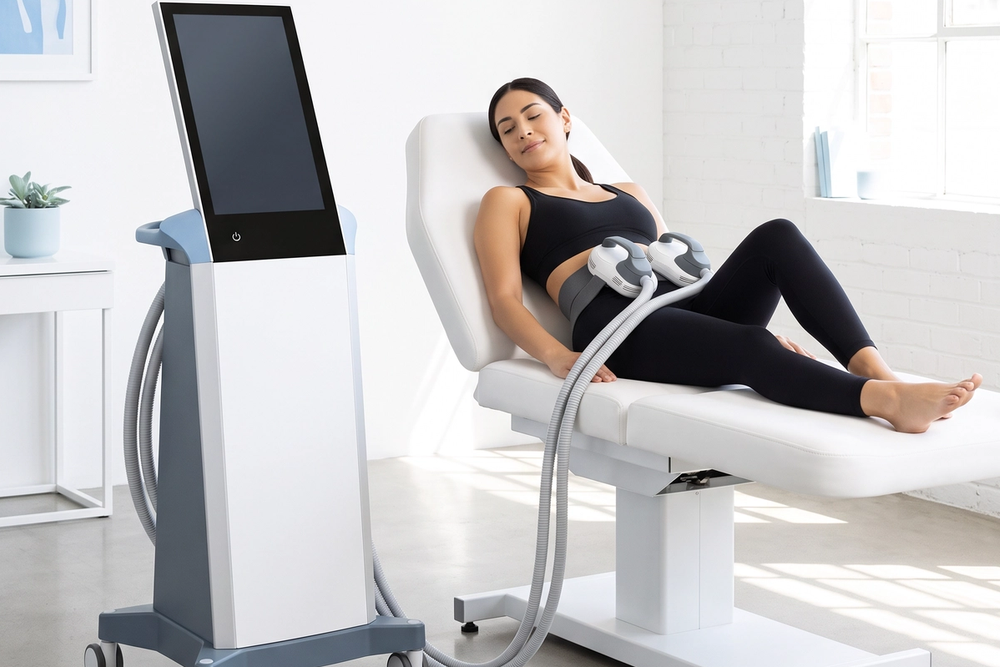
Body Contouring Compared: EMSCULPT NEO, CoolSculpting and Venus Bliss MAX
EMSCULPT NEO, CoolSculpting and Venus Bliss MAX reduce fat by three different mechanisms, and only two of them build muscle. Here is what each one does, which areas it treats, how many sessions to expect and how they combine.
Read