Blog
2023 · 1 min read
Stem Cell
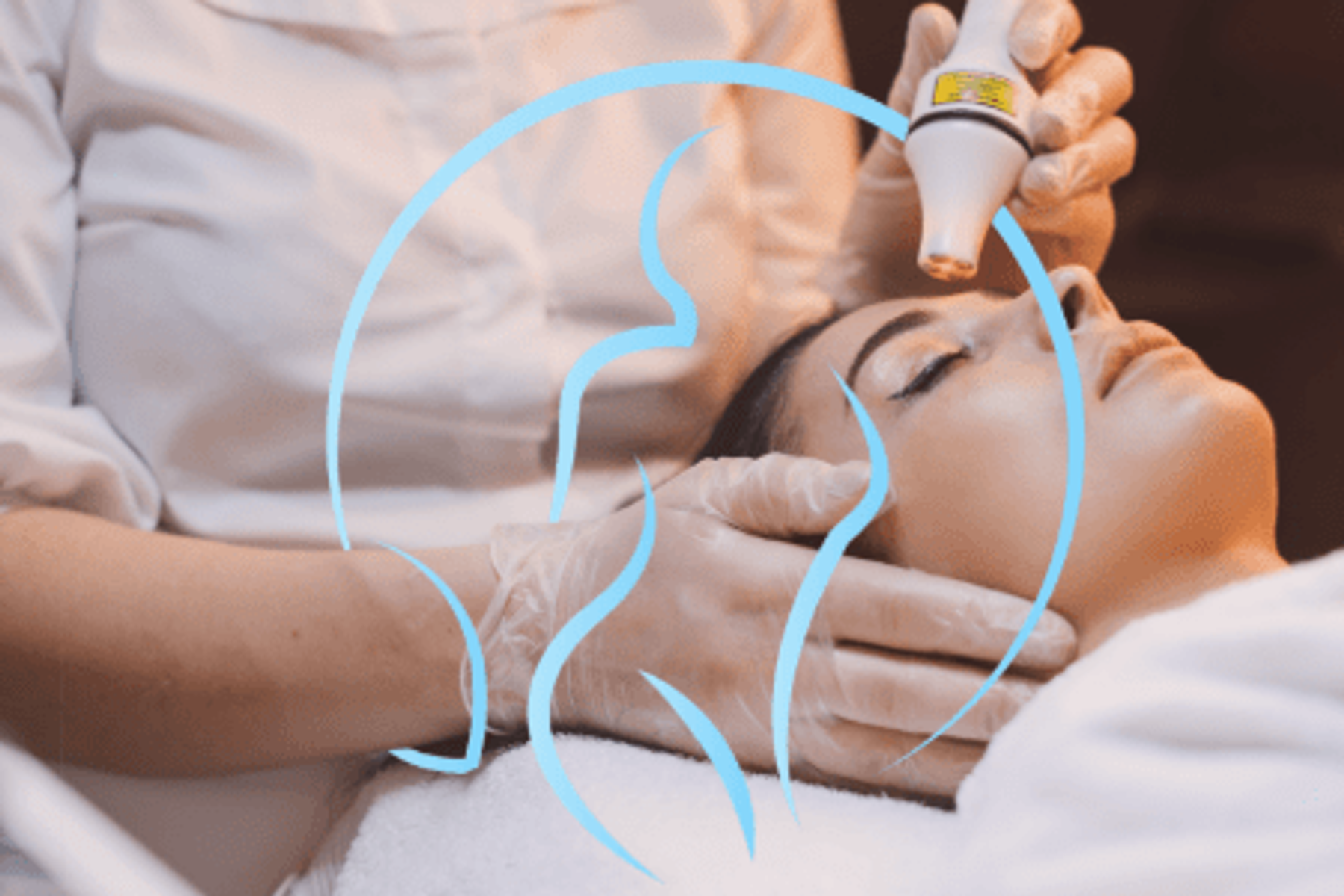
As we age, we all start to notice the gradual wear and tear on the body, especially in our faces. The sun’s
ultraviolet rays, lack of sleep, not staying hydrated, and many other life and environmental factors can
all take a toll on our skin. But now, more people than ever before can enjoy a youthful appearance for
longer periods of time without scarring or expensive surgery.
Stem cell therapy is a popular non-invasive cosmetic procedure that helps restore and rejuvenate your
face. It involves harvesting powerful cells and using them to promote growth and speed healing. In
terms of cosmetic uses and facial rejuvenation, stem cells are removed from a patient’s own tissue,
combined with premium growth hormones, and then the concentrated solution in reinjected into target
areas of the face.
The unique thing about stem cells is that they can develop into any type of cell in the body, in addition
to encouraging production of native cells.
For a while now, some plastic surgeons have been using stem cells to treat aging, sun-damaged skin. But
while they've been getting good results, it's been unclear exactly how these treatments – using adult
stem cells harvested from the patient's own body – work to rejuvenate photoaged facial skin.
A new microscopic-level study provides the answer: within a few weeks, stem cell treatment eliminates
the sun-damaged elastin network and replacing them with normal, undamaged tissues and structures –
even in the deeper layers of skin.
Results vary from person to person and are not guaranteed. Nothing here is medical advice — book a consultation and we will look at your case.
Keep reading

Body Contouring Compared: EMSCULPT NEO, CoolSculpting and Venus Bliss MAX
EMSCULPT NEO, CoolSculpting and Venus Bliss MAX reduce fat by three different mechanisms, and only two of them build muscle. Here is what each one does, which areas it treats, how many sessions to expect and how they combine.
Read
Bladder Leaks After Childbirth: Which Treatments Help?
About one in three women leak urine in the first year after having a baby. Here is the order that works: pelvic floor training first, Emsella when progress plateaus, and a doctor for anything more.
Read
How Much Does Laser Hair Removal Cost in Montreal?
The price of laser hair removal comes down to the size of the area, the number of sessions and whether you book a package. Here is how each one works, and what to ask before you compare clinics.
Read