Blog
2023 · 1 min read
Shockwave Therapy
What is shockwave therapy?
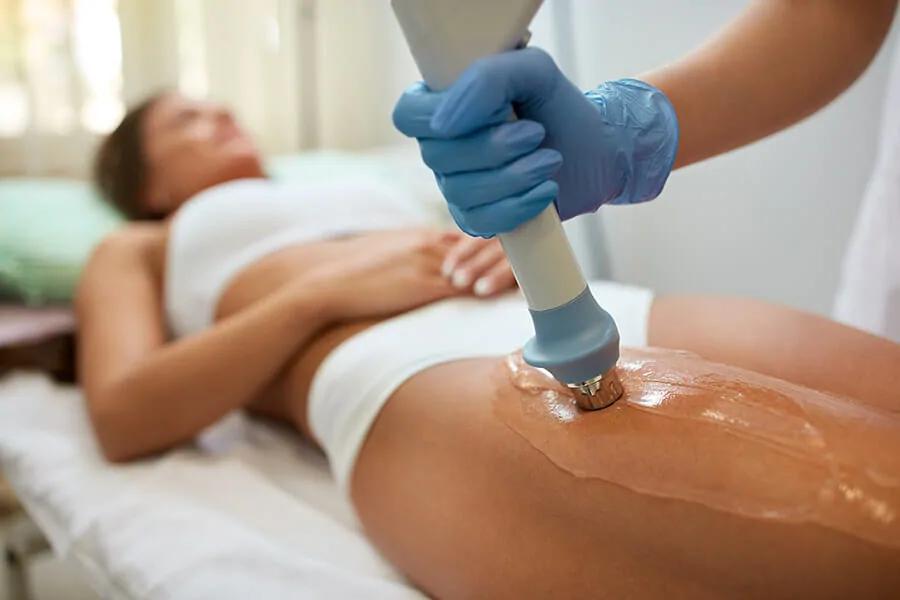
Shockwave therapy is a non-invasive treatment that involves creating a series of low energy acoustic wave pulsations that are directly applied to an injury through a person’s skin via a gel medium. The concept and technology originally evolved from the discovery that focused sound waves were capable of breaking down kidney and gallstones. Generated shockwaves have proven successful in a number of scientific studies for the treatment of chronic conditions. Shockwave therapy is its own treatment for a lingering injury, or pain resulting from illness.
How does shockwave therapy work?
Shockwave therapy is a modality that is becoming more common in physiotherapy. Using a much lower energy than in medical applications, shockwave therapy, or extracorporeal shock wave therapy (ESWT), is used in the treatment of many musculoskeletal conditions, primarily those involving connective tissues such as ligaments and tendons.
Some of the benefits of shockwave therapy treatment:
- Shockwave therapy has excellent cost/effectiveness ratio.
- Non-invasive solution for chronic pain in your shoulder, back, heel, knee or elbow.
- No anesthesia required, no drugs.
- Limited side effects.
- Main fields of application: orthopedics, rehabilitation, and sport medicine.
- New research shows that it can have a positive affect on acute pain.
Results vary from person to person and are not guaranteed. Nothing here is medical advice — book a consultation and we will look at your case.
Keep reading

Laser Skin Rejuvenation After 40: Which Treatment Is Best?
After 40, the best laser depends on whether you want to treat wrinkles, pigmentation, texture or skin firmness. Compare Fotona 4D, Pico Laser, Laser Genesis and CO2 resurfacing.
Read
Can Fotona 4D Rejuvenate Your Face Without Surgery?
Fotona 4D combines four laser steps to improve facial firmness, fine lines and skin texture without surgery. Discover how it works, expected results, recovery and treatment costs.
Read
Preventative Botox: When Should You Start?
There is no perfect age to start preventative Botox. Discover when early expression lines may justify treatment, how it works, and what to consider in your 20s and 30s.
Read