Blog
2026 · 6 min read
Wrinkle relaxer Explained: How It Works, Benefits, Brands, Differences & Expert Advice
· updated July 4, 2026
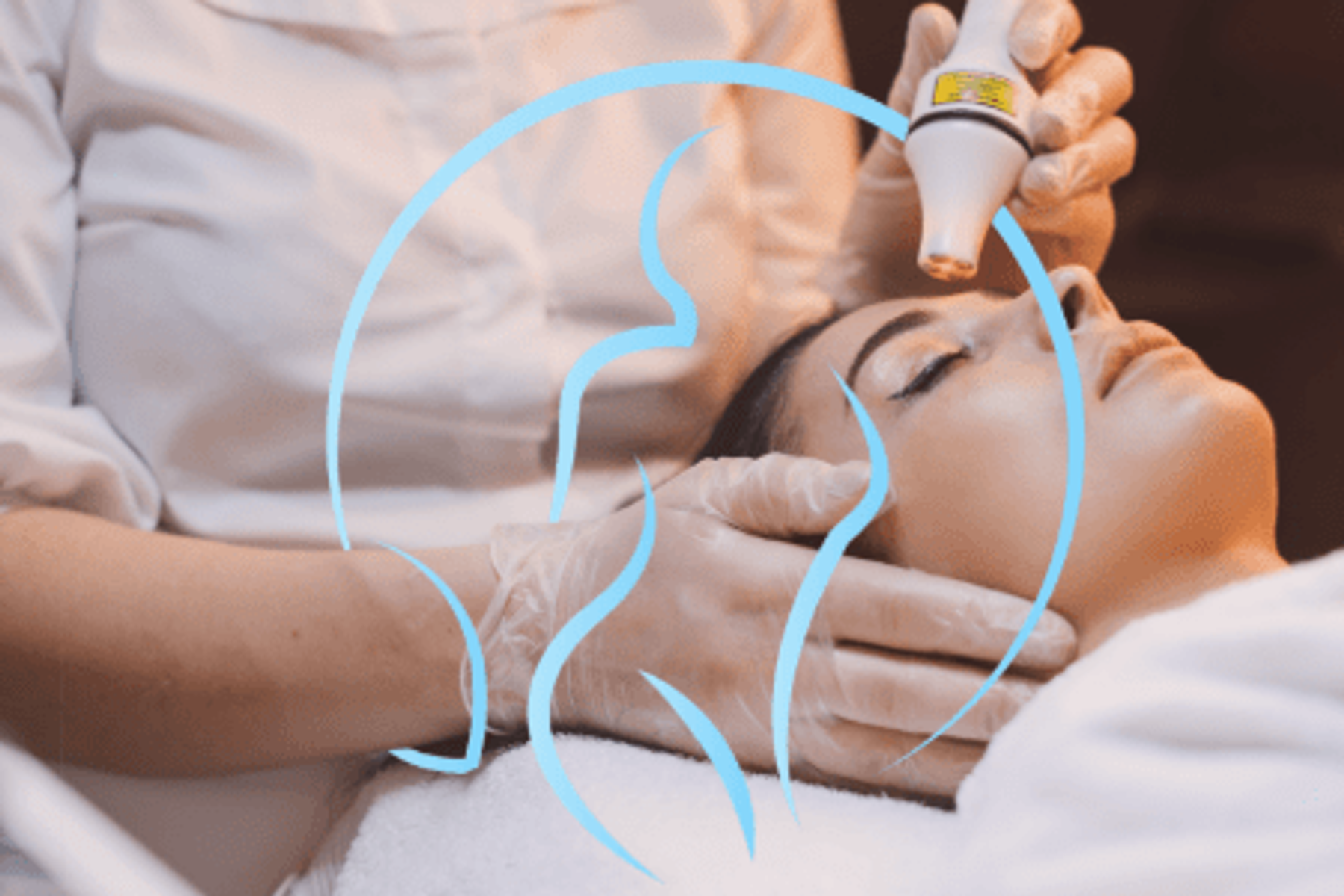
Wrinkle relaxer has become one of the most talked-about aesthetic treatments in the world—and for good reason. It’s quick, minimally invasive, scientifically studied, and capable of delivering both cosmetic and medical benefits.
But what exactly is Wrinkle relaxer? How does it work inside the body? What brands exist? And how do you know if it’s right for you?
Let’s dive deep 👇
What Is Wrinkle relaxer, Really?
“Wrinkle relaxer” is the popular name for a group of injectable neuromodulators made from botulinum toxin type A, a purified protein used in extremely small, controlled doses.
When injected into specific muscles, it temporarily relaxes them. This softens wrinkles, prevents deep expression lines from forming, and can even treat medical issues like migraines, excessive sweating, and jaw clenching.
In aesthetic medicine, Wrinkle relaxer is prized for its ability to:
- Smooth dynamic wrinkles
- Refresh the face without surgery
- Prevent aging signs early
- Create subtle lifting effects
- Improve facial balance
How Does Wrinkle relaxer Work in the Body?
Muscles contract when nerves release a chemical messenger called acetylcholine. Wrinkle relaxer temporarily blocks this signal.
Here’s what happens step-by-step:
- Wrinkle relaxer is injected into targeted muscles.
- The nerve signal to contract is reduced.
- The muscle relaxes.
- Overlying skin smooths out.
- Wrinkles soften and facial tension decreases.
Important: Wrinkle relaxer does not freeze your face when properly done. Skilled injectors aim for natural movement—just softer, smoother, and more rested.
What Areas Can Wrinkle relaxer Treat?
Wrinkle relaxer is incredibly versatile. It can be used on the face, neck, scalp, and even the body.
✨ Cosmetic Uses
- Forehead lines
- Frown lines (between brows)
- Crow’s feet
- Bunny lines (nose wrinkles)
- Chin dimpling
- Lip flip
- Jawline slimming (masseters)
- Neck bands
- Shoulder tension (trapezius)
- Brow lifting
- Gummy smile
- Marionette lines (in select cases)
🩺 Medical & Functional Uses
- Chronic migraines
- Teeth grinding & jaw clenching
- Excessive sweating (underarms, hands, feet, scalp)
- Muscle spasms
- Neck pain
- Tension headaches
This dual role—beauty plus wellness—is what makes Wrinkle relaxer such a powerful tool in modern medicine.
When Do Results Appear?
- Start seeing effects: 3–5 days
- Full result: 10–14 days
- How long it lasts: 3–4 months (sometimes longer with regular treatments)
With consistent maintenance, muscles often weaken slightly over time—meaning you may need fewer units later.
Wrinkle relaxer Brands: What’s the Difference?
Most people say “Wrinkle relaxer,” but there are actually several FDA-approved / Health-Canada-approved neuromodulators on the market.
Common brands include:
- Wrinkle relaxer (the original and most famous)
- Wrinkle relaxer
- Wrinkle relaxer
- Wrinkle relaxer (popular in Canada)
- Wrinkle relaxer (newer in North America)
How Are They Different?
They all work in the same fundamental way—relaxing muscles—but vary slightly in:
- Diffusion/spread
- Protein structure
- Onset speed
- Longevity
- Unit dosing
- How “crisp” or soft results feel
For example:
- Some brands spread more, making them great for broad areas like the forehead.
- Others stay very precise, perfect for small muscles around the eyes or lips.
- Certain formulations kick in faster.
- Some may last slightly longer for certain people.
A skilled injector chooses the brand based on your anatomy, muscle strength, goals, and past response—not just price.
Wrinkle relaxer vs Fillers: Not the Same Thing!
This is one of the biggest misconceptions.
Wrinkle relaxer:
- Relaxes muscles
- Treats expression wrinkles
- Prevents lines from deepening
Dermal Fillers:
- Add volume
- Sculpt cheeks or lips
- Fill folds
- Restore lost structure
Think of Wrinkle relaxer as relaxing motion…
and fillers as replacing volume.
They’re often combined for full-face rejuvenation.
Is Wrinkle relaxer Safe?
When performed by trained medical professionals, Wrinkle relaxer has an excellent safety profile and has been used for decades in both cosmetic and medical fields.
Common temporary side effects may include:
- Mild redness
- Swelling
- Small bruises
- Headache
- Tenderness
Serious complications are rare and usually related to poor technique or improper placement—another reason why choosing an experienced clinic matters.
Who Is a Good Candidate?
Wrinkle relaxer is for:
- People noticing expression lines
- Those wanting prevention in their 20s–30s
- Anyone seeking a fresher look
- Patients with migraines or jaw tension
- Individuals wanting non-surgical facial refinement
It can be tailored for subtle “baby Wrinkle relaxer” or stronger corrective treatments.
Expert Advice Before Getting Wrinkle relaxer
Here are professional tips to get the best results:
✔️ Choose Experience Over Price
Technique matters more than discounts. Facial anatomy is complex.
✔️ Be Honest at Your Consultation
Share:
- Previous Wrinkle relaxer experiences
- Medications
- Medical conditions
- Pregnancy or breastfeeding status
✔️ Avoid Alcohol & Blood Thinners Beforehand
For 24 hours if possible—this reduces bruising.
✔️ Don’t Overdo It
Natural is always better. The goal is refreshed, not frozen.
Aftercare Tips
For the first 4–6 hours:
- Stay upright
- Avoid rubbing treated areas
- Skip intense workouts
- Avoid facial massages
- No saunas or hot tubs that day
These help prevent migration and ensure precise results.
Why Wrinkle relaxer Is So Popular
Wrinkle relaxer remains the gold standard because it offers:
- Fast treatments (10–15 minutes)
- No downtime
- Preventative aging benefits
- Natural results when done well
- Medical relief for pain and sweating
- High satisfaction rates
It’s one of the rare procedures that truly bridges medicine and aesthetics.
Final Thoughts
Wrinkle relaxer isn’t about changing your face—it’s about softening time, easing tension, and helping you look as refreshed as you feel.
Whether you’re curious about smoothing wrinkles, preventing aging, relieving jaw pain, or managing migraines, Wrinkle relaxer can be part of a smart, long-term treatment plan when customized properly.
Results vary from person to person and are not guaranteed. Nothing here is medical advice — book a consultation and we will look at your case.
Keep reading

Nefertiti Lift: The Non-Surgical Neck & Jawline Rejuvenation Treatment
Restore Definition, Prevent Jowls, and Achieve a More Youthful Profile As we age, many people notice changes…
Read
Lower Face Wrinkle relaxer: Jawline Slimming, Facial Contouring and a More Balanced Profile
Wrinkle relaxer is often associated with forehead lines and crow’s feet, but it can also be used in the lower…
Read
Upper Face Wrinkle relaxer: Forehead Lines, Frown Lines, Crow’s Feet and Natural Results
Wrinkle relaxer is one of the most popular non-surgical aesthetic treatments for softening expression lines…
Read